Last updated November 20, 2026
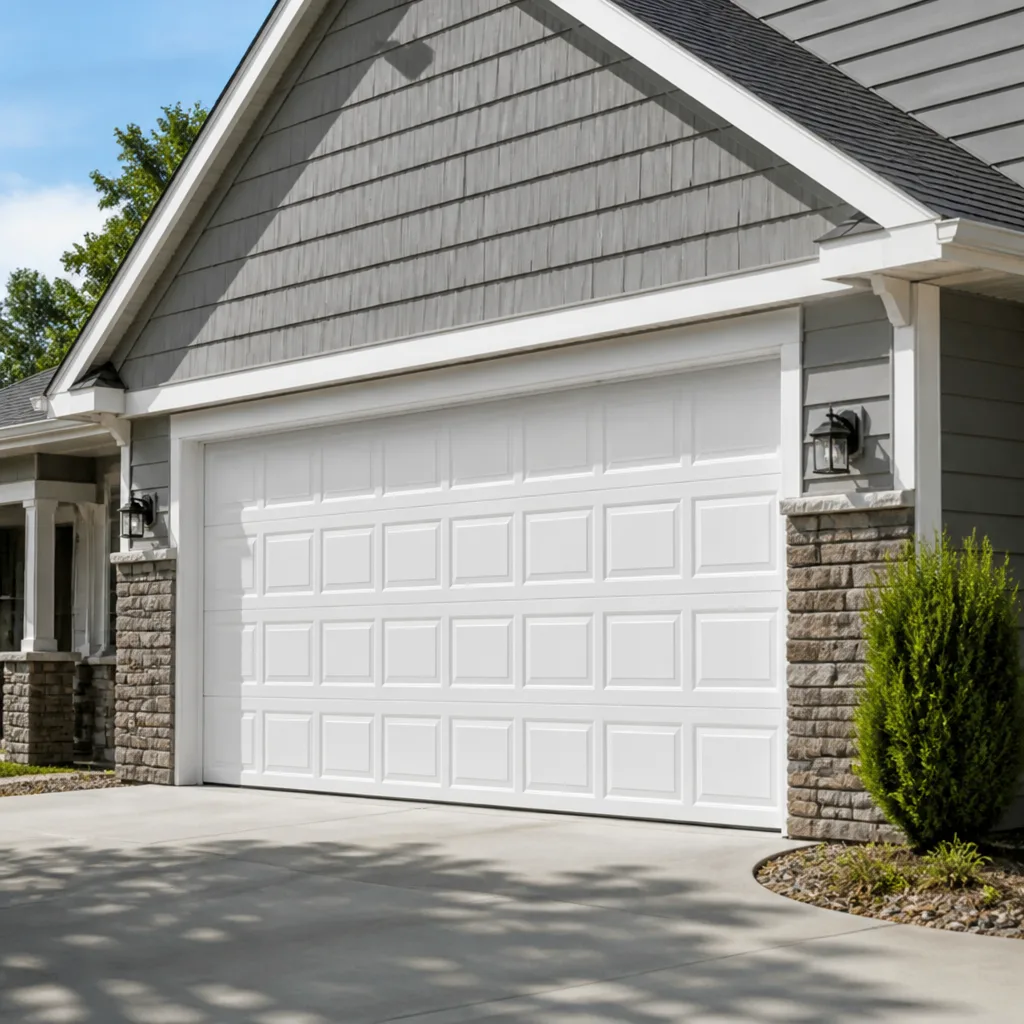 Raised-panel steel
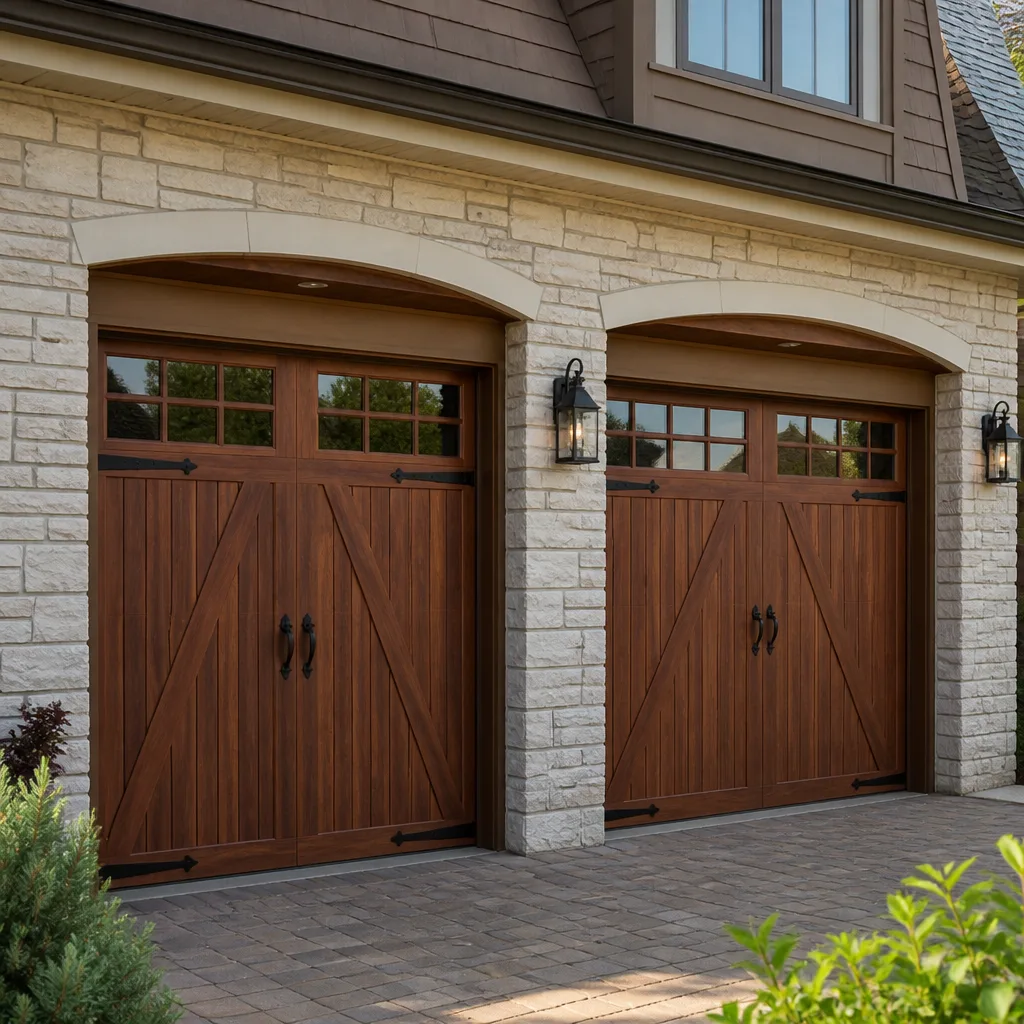 Carriage house
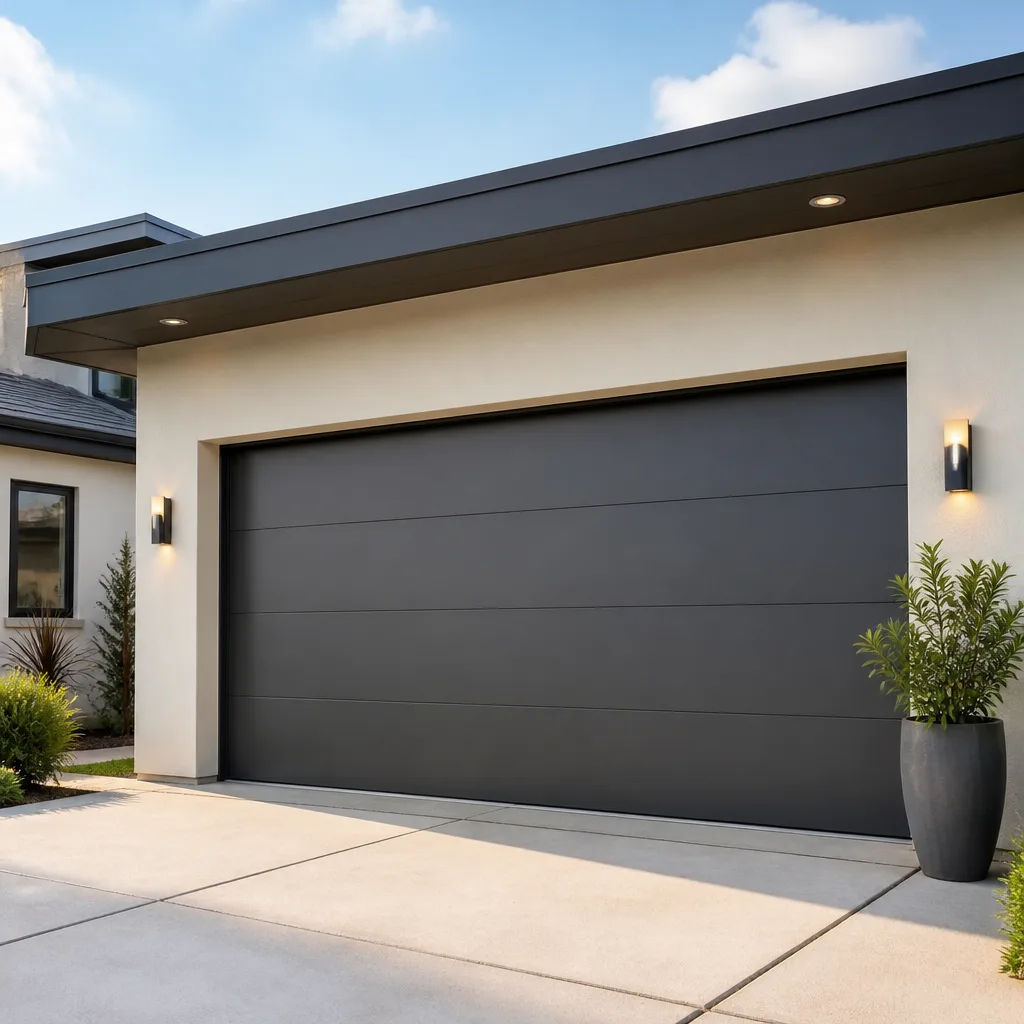 Modern flush
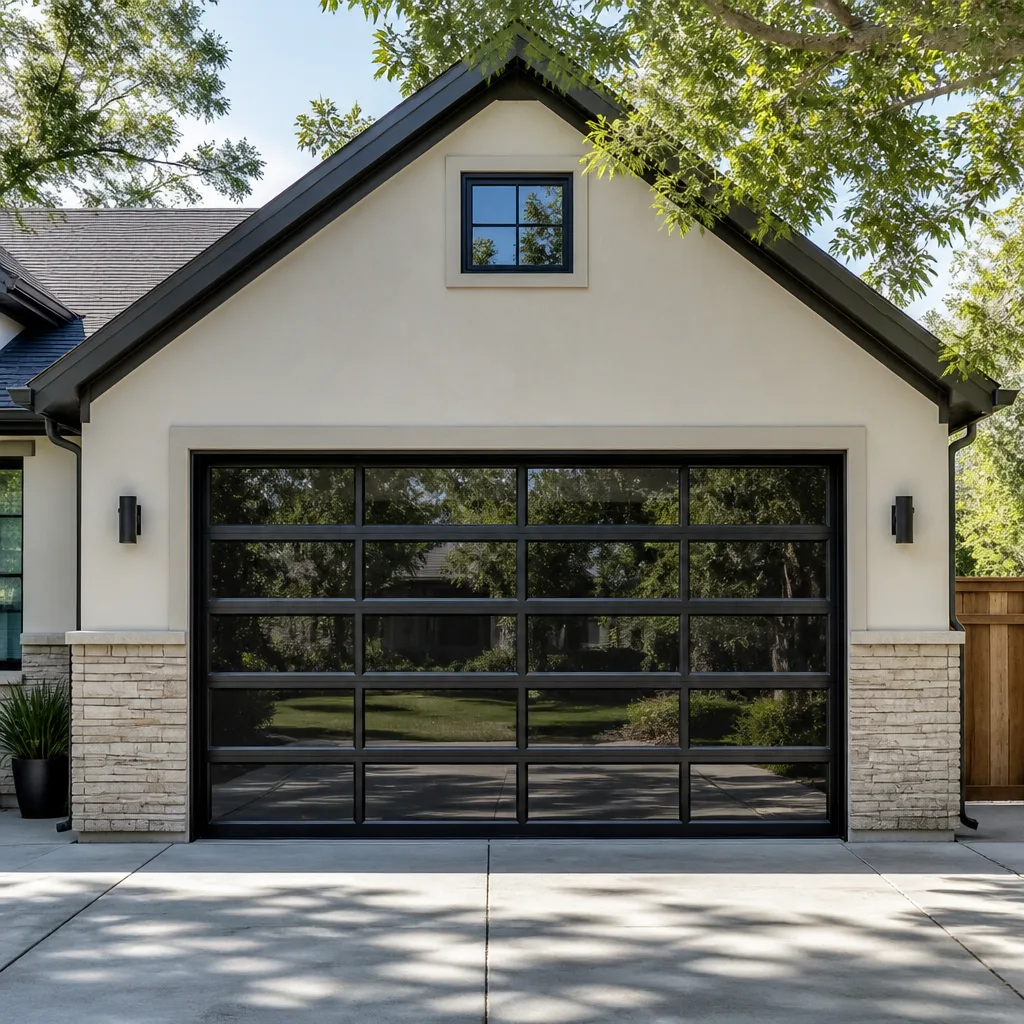 Full-view glass
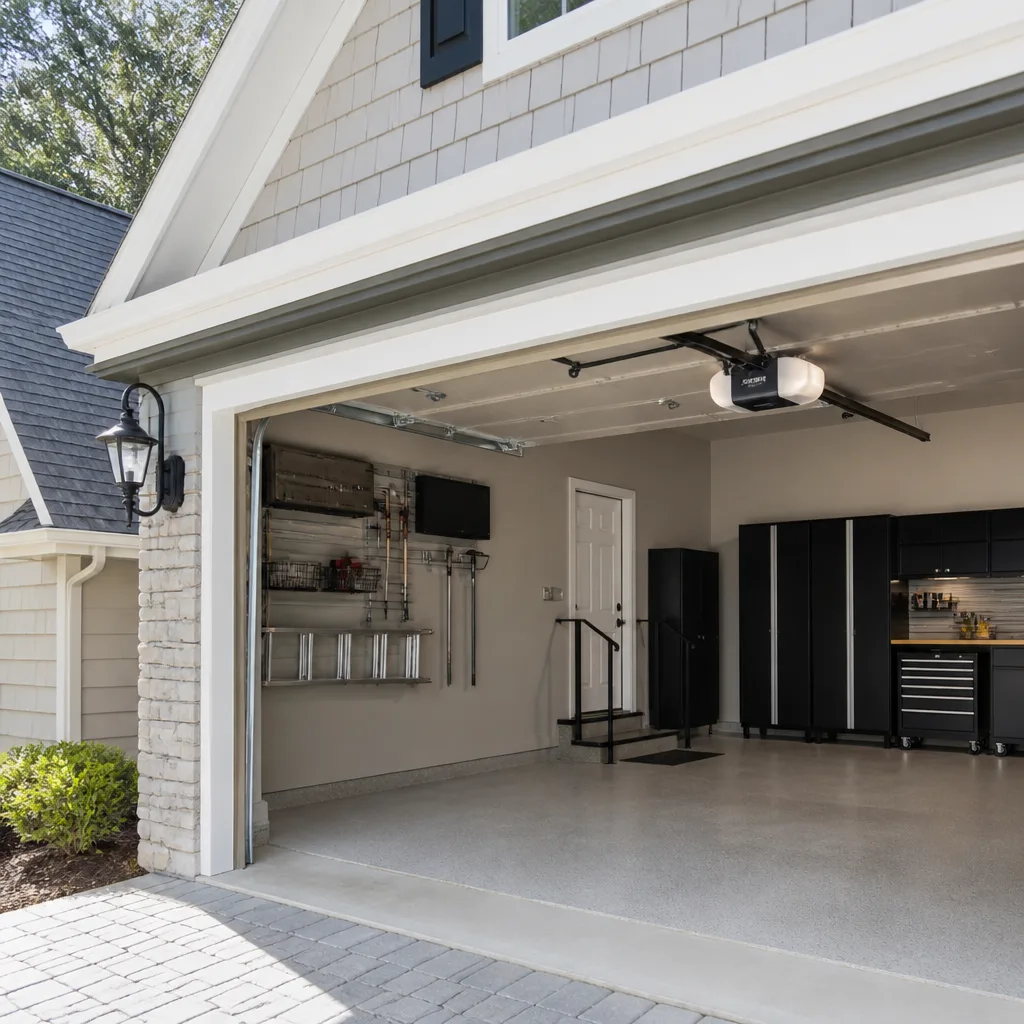 LiftMaster openers
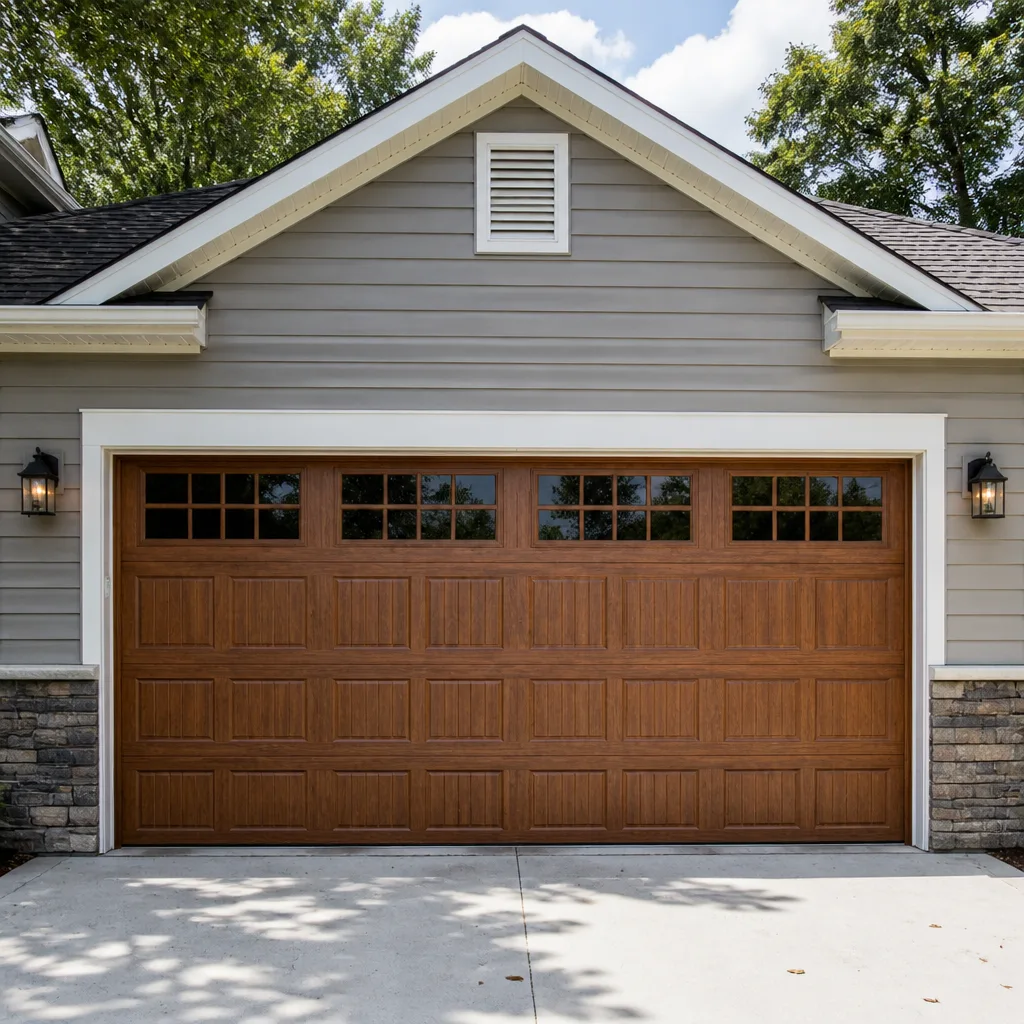 Chamberlain openers
Full 25-point door and opener safety check with every visit - springs, cables, rollers, tracks, and your LiftMaster or Chamberlain opener included
You get a price before we start. It does not change when the pro arrives.
Get your free estimateThe Complete Guide to Garage Doors in Lakewood
Most garage door advice online is written for a climate that doesn’t exist here. It assumes mild winters, stable humidity, and hardware that ages on a predictable schedule. Lakewood doesn’t work that way. At 5,440 feet, the temperature here can swing 40°F in a single day, and that thermal cycling fatigues springs, warps tracks, and breaks down lubricants faster than the specs on the box ever assume. Add the Front Range’s intense UV, dry air, and freeze-thaw rhythm, and your door lives a harder life than the same door in a coastal suburb. This guide maps the full lifecycle of a Lakewood garage door against the conditions you actually face, from a first tune-up to a full replacement, so you know what’s failing, what it costs, and when to call.
Quick Answer
A garage door in Lakewood needs a spring and hardware inspection about once a year, a spring replacement typically every 7 to 12 years depending on cycle count and daily use, and a full replacement only when the panels, tracks, and opener are all nearing the end at once. Most doors that stop working here need a repair, not a new door. The biggest local accelerators are thermal cycling at elevation, UV exposure, and low humidity, and the right diagnosis depends on your door’s brand, age, and how often it runs.
Styles & brands we work with
- Raised-panel steel
- Carriage house
- Modern flush
- Full-view glass
- LiftMaster openers
- Chamberlain openers
Table of Contents
- How Lakewood’s Climate Breaks Down Garage Doors
- Housing Eras: What Your Lakewood Home Probably Has
- Multi-Brand Compatibility: Why Doors That Look Alike Aren’t
- Annual Tune-Up: What a Real One Includes
- The Lakewood Cost Map: Tune-Up to Replacement
- Repair or Replace? The Decision Logic
- Springs: The Highest-Risk Part of the System
- Openers: Matching the Motor to the Door
How Lakewood’s Climate Breaks Down Garage Doors
Lakewood sits at 5,440 feet, and the day-to-night temperature swing on the Front Range can hit 40°F. Your garage door is a large steel, wood, or composite slab that expands and contracts every time that swing happens. Do the math on a winter when the door cycled through dozens of freeze-thaw swings, and you start to see why the hardware here ages faster than a national spec sheet predicts.
The specific failure points, in order of frequency we see:
- Torsion and extension springs. Springs are under constant tension, and the constant flex from thermal expansion shortens their cycle life. A spring rated for a certain number of cycles wears out sooner when it also fights 40-degree swings several times a week.
- Tracks and rollers. Metal contracts in cold and expands in heat. Over a season, that movement loosens the track’s anchor points, throwing the door out of alignment and wearing the rollers unevenly.
- Lubricants. Low humidity and dry air pull the moisture out of standard lubricants, leaving bearings and hinges running metal-on-metal. That’s where the squeak comes from before a failure.
- Panel finish and weather seals. The Front Range’s UV load is intense, and a south- or west-facing door takes it directly. Paint and finish fade and chalk, and the bottom weather seal goes brittle and cracks, letting in cold air and moisture.
What this means practically: an inspection schedule tuned to a mild climate underserves a Lakewood door. We generally recommend a hands-on look at springs, cables, tracks, and seals once a year here, plus a spot-check before winter and before the first big seasonal swing. If your door sounds different in January than it did in July, that’s the climate talking, not your imagination. It’s also a reason a quick garage door repair visit is cheaper than waiting for a spring to snap.
Housing Eras: What Your Lakewood Home Probably Has
Lakewood’s housing stock spans several distinct eras, and each one tends to carry a garage door system with its own quirks. Knowing which era your home belongs to is one of the most useful shortcuts a technician can use, and it’s a shortcut most national guides ignore entirely.
Older ranches and mid-century builds
The 1970s ranch homes common across central Lakewood typically came with single-car or two-car wood or steel doors on extension-spring systems. Many have been retrofitted with a torsion conversion at least once, and many have a builder-grade opener that’s been replaced two or three times. The tell here is the tracks: older tracks are lighter gauge, and 50 years of thermal movement has usually loosened the anchors. When we work on a door of this vintage, track inspection matters as much as spring inspection.
1980s and 1990s subdivisions
These homes more often have steel-sectional doors on torsion springs, with mid-grade openers from Genie or Chamberlain. The panels are usually fine; the springs are the wear item, and the opener assemblies are often past their design life by the time homeowners call. This is the era where a repair-first approach saves the most money, because the door itself usually has plenty of years left.
Newer Green Valley Ranch-area builds
Newer construction around Green Valley Ranch and the eastern edges of Lakewood tends to use insulated steel doors on modern torsion systems and smart openers, often from LiftMaster or Clopay. These doors need less structural attention early on, but the finish and seals still take a beating on a west-facing elevation. The maintenance priority shifts to lubrication, seal inspection, and opener calibration rather than worn-out hardware.
The point isn’t to memorize your era. It’s to know that the door on your house was built for a market, not for your particular street, and to have it looked at through that lens. A tune-up on a 1970s ranch is a different job than a tune-up on a 2015 build, and the price you should expect reflects that.
Multi-Brand Compatibility: Why Doors That Look Alike Aren’t
Two garage doors can look identical from the street and have nothing interchangeable underneath. This is the single biggest reason brand-agnostic diagnosis matters. A Wayne Dalton torsion system isn’t a drop-in match for a Clopay system, even when the door panels look the same, because the spring dimensions, cable drums, and bracket geometry differ. Swap parts between them and you get a door that runs badly, wears out early, or fails outright.
Here’s what that means in practice, and why we work on multiple brands rather than steering everyone toward one:
- The spring is sized to the door, not the brand name. Spring wire diameter, coil count, and inside diameter are calculated from the door’s weight and the number of cycles it needs to survive. A generic “fits most” spring almost never fits yours exactly.
- Cable drums and torsion tubes vary in diameter and length. A drum from one manufacturer’s system won’t match a tube from another, and forcing it creates uneven cable tension that fails a seal or shreds the drum.
- Openers need to match the door’s weight and balance. A LiftMaster opener sized for a standard door will strain on a heavier insulated door, and a Chamberlain unit with the wrong rail length won’t line up.
- Parts availability drives repair speed. When the correct part is on hand, you avoid the multi-visit delays that come with ordering a component. That’s why we keep a parts supply rather than relying on a next-week order every time.
Clopay and Amarr doors are common in Lakewood, and so are LiftMaster and Chamberlain openers, but the door and the opener don’t have to be the same brand. What matters is that the technician diagnosing your system recognizes how the specific hardware in front of them is built, and recommends parts that actually belong there. That’s the difference between a repair that lasts and one that comes back.
Annual Tune-Up: What a Real One Includes
A tune-up isn’t a sales visit with a checklist. Done right, it’s a 30- to 60-minute inspection and adjustment that catches the small failures before they become the expensive ones. Here’s what a genuine tune-up covers, and what you should ask to have confirmed.
- Balance check. Disconnect the opener and lift the door by hand to the halfway point. A properly balanced door stays put. One that drifts down on its own has a spring or cable problem.
- Spring and cable inspection. Look for gaps, rust, stretched coils, and frayed cable strands. Springs are the highest-risk part of the whole system, so this is never a do-it-yourself fix.
- Track alignment and anchor check. Confirm the tracks are straight, plumb, and firmly anchored, with no loose brackets from seasonal movement.
- Roller and hinge condition. Worn rollers cause the door to bind. Hinges should be tight, with no play.
- Lubrication. A proper lubricant on the torsion spring, hinges, rollers, and tracks, applied with the dry climate in mind.
- Weather seal and bottom rubber. Check for cracks, gaps, and brittleness along the bottom, sides, and top.
- Opener force and safety-reverse test. Confirm the opener reverses properly on obstruction and that the travel limits are set correctly.
- Panel and finish check. Look for UV fading, dings, and rust on the lower panels, especially on south- and west-facing doors.
If you want the maintenance done for you, we offer it as part of our repair-first approach: a diagnosis first, a recommendation second, and a written price before any work starts. A tune-up in the fall, ahead of the first hard freeze, is the highest-value visit most Lakewood homeowners can make. If a tune-up turns up a bad spring or a worn opener, the correct next step is a proper garage door opener repair or spring replacement, not a new door.
The Lakewood Cost Map: Tune-Up to Replacement
National averages are useless here. Labor rates along the Front Range, the cost of correct springs, and the local housing mix all push prices in ways a national calculator won’t capture. The table below is what typical Lakewood homeowners should expect to see quoted. Every range is an estimate, and the written quote you get after a diagnosis is the price you’ll pay.
| Service | Typical Lakewood range (estimate) | Notes |
|---|---|---|
| Annual tune-up / inspection | $90 – $175 | Inspection, adjustment, lubrication, safety check |
| Single spring replacement | $180 – $340 per spring | One spring; a matched pair is usually replaced together and costs about twice that |
| Opener repair | $150 – $320 | Gear, logic board, or safety sensor repair |
| Opener replacement | $350 – $850 | Depends on door weight, drive type, and opener model |
| Panel replacement | $200 – $600 | Sectional doors; brand and panel match matter |
| Track and roller service | $150 – $400 | Realignment, roller replacement, bracket tightening |
| Full door replacement | $1,200 – $3,500 | Door size, material, insulation, and opener factored in |
The biggest swing in that table is the spring line, because springs are priced per spring, and a matched pair is almost always replaced together. A single-spring replacement in Lakewood lands in the $180 – $340 range, so a pair runs roughly double. Never let anyone quote you one price for “springs” without telling you whether that’s one or a pair.
Two other things to know. First, price is quoted and agreed before work starts, so the number on the written estimate is the number you’ll see, not a starting point that grows once the door is apart. Second, a repair-first company should always show you what it can fix and what it can’t. If a full replacement is genuinely the right call, you’ll get a straight explanation of why, with the repair option and its price on the table too. For anyone planning ahead on a new door, our garage door installation service starts with a free measure and a written price, and that’s a scheduled project rather than a same-day fix.
Repair or Replace? The Decision Logic
Most calls we take come down to one question: is this the right repair, or a Band-Aid on a door that’s finished? The answer isn’t a sales decision. It’s a call based on three things: door age, spring cycle count, and opener vintage. Here’s how we think through it.
Repair is the right call when:
- The door is under roughly 15 years old and the panels are structurally sound with no rust-through or major dents.
- The springs are the only failure, the tracks are straight, and the opener is functioning normally.
- The repair cost lands well under half the cost of a replacement, and the door has plenty of service life left.
- A single component failed for a known reason (a worn spring, a bad sensor), not because the whole system is worn out together.
Replacement starts to make sense when:
- The door is nearing the end of its service life and multiple parts are failing within a short span.
- Panels are rusted through, badly dented, or warped enough that the door doesn’t seal.
- The tracks are bent beyond realignment, or the door has been struck by a vehicle and the structure is compromised.
- The opener is also at the end of its life, so repair and replacement together approach the cost of a new door.
Add a spring cycle count to the equation
Springs are rated by cycles, not years, and a door that runs many times a day will wear out its springs far faster than a door that opens once in the morning. In Lakewood the thermal swings also accelerate that wear. If your springs have been replaced recently and the rest of the door is healthy, a repair is clearly right. If they’re original to a 20-year-old door and the opener is also original, the math shifts.
The rule we use: fix what’s failing, protect what’s working, and replace only when two or more major systems are past their useful life at the same time. That’s a diagnosis-first approach, and it’s why we frame ourselves as a repair company rather than an installer who happens to repair.
Springs: The Highest-Risk Part of the System
Springs are the most dangerous part of any garage door system, and they’re the part most likely to fail in a Lakewood climate. A torsion spring stores enough energy to seriously injure anyone who tries to work on it without the right tools and training, and an extension spring that lets go can send hardware across the garage. We handle them so you don’t have to, and we’d ask you never to attempt a spring repair on your own.
What a spring failure actually looks like, and how the repair goes:
- Symptom check. The door is heavy to lift, won’t stay up, or the opener strains and reverses. A snapped spring also makes a sharp report, and the door may hang unevenly.
- Diagnosis. Confirm whether it’s a torsion or extension spring, how many springs the system uses, and their condition.
- Correct spring sizing. Match the replacement to the door’s weight and the cycle life you want. Springs are not one-size-fits-all, and the wrong one wears out fast or strains the door.
- Safe replacement. With the torsion bar properly wound down, the old spring comes off, the new one goes on, and the system is rebalanced and tested before the door runs.
- Balance and safety test. Confirm the door holds position, moves smoothly, and the opener reverses on obstruction.
Two practical notes for Lakewood. First, if your door has a matched pair, replace both at once. The second spring has lived through the same thermal cycling and cycle count as the first, so it’s on borrowed time, and a pair replacement avoids a second service call. Second, a spring replacement is the best moment to have the tracks, cables, and rollers checked, because you’re already paying for the visit and a small adjustment now saves a bigger repair later.
If you’d rather not risk a spring job, call (833) 681-3532 and we’ll diagnose it, quote it, and get it fixed. Estimates are free.
Openers: Matching the Motor to the Door
An opener is only as good as its match to the door it drives. A unit sized for a lightweight single-car door will strain on a heavy insulated double door, and a rail that doesn’t fit the space will cause binding that wears out the motor. The three things to check are drive type, weight rating, and safety reverse.
- Drive type. Belt drive runs quiet and suits a door near living space. Chain drive is more durable and better in a detached garage. Screw drive is a less common third option.
- Weight rating. Match the opener’s rating to your door’s actual weight, including insulation if it’s on there.
- Safety reverse. The opener must reverse on obstruction and close fully without bouncing. Test this every few months.
LiftMaster and Chamberlain are the two most common openers in Lakewood homes, and both are well understood by our technicians. If your opener is from Genie, Raynor, or Craftsman, we work on those as well. When a repair is possible, we repair it. When the motor is at the end of its life and the door needs a new opener anyway, we’ll walk you through the options and the price before anything is ordered.
One local quirk worth knowing: an opener that reverses for no clear reason in winter is often a symptom of a colder, stiffer door, not a bad opener. A door that’s out of balance will trip a safety reverse more easily in cold weather. If you’ve had that happen, the first step is a balance check, not a new motor. That’s the diagnosis-first sequence.
Common Mistakes to Avoid
- Buying a “universal” spring. Springs are sized to the door’s weight and cycle life. A generic spring fits the box, not your door, and fails early. Get the correct spring for the system you have.
- Replacing one spring when the pair is worn out. The second spring has the same cycle count and thermal history, so it fails next, and you pay for a second service call. Do both together.
- Skipping lubrication because the door “seems fine.” In Lakewood’s dry air, unlubricated hinges and rollers wear fast. A few minutes a year prevents a repair later.
- Ignoring a bent track. A small misalignment gets worse, and it wears the rollers and strains the opener until the whole system is out of balance.
- Trying a spring repair yourself. This is the most dangerous part of the system. It’s the one job to leave to a trained technician, without exception.
- Letting an installer talk you into a new door when a repair would do. Have the age, spring cycle count, and opener vintage checked first. A repair-first company will tell you when a repair is the right answer.
- Buying an opener without matching it to the door. An undersized opener strains, and an oversized one wastes money. Match the rating to the actual door weight.
See the difference
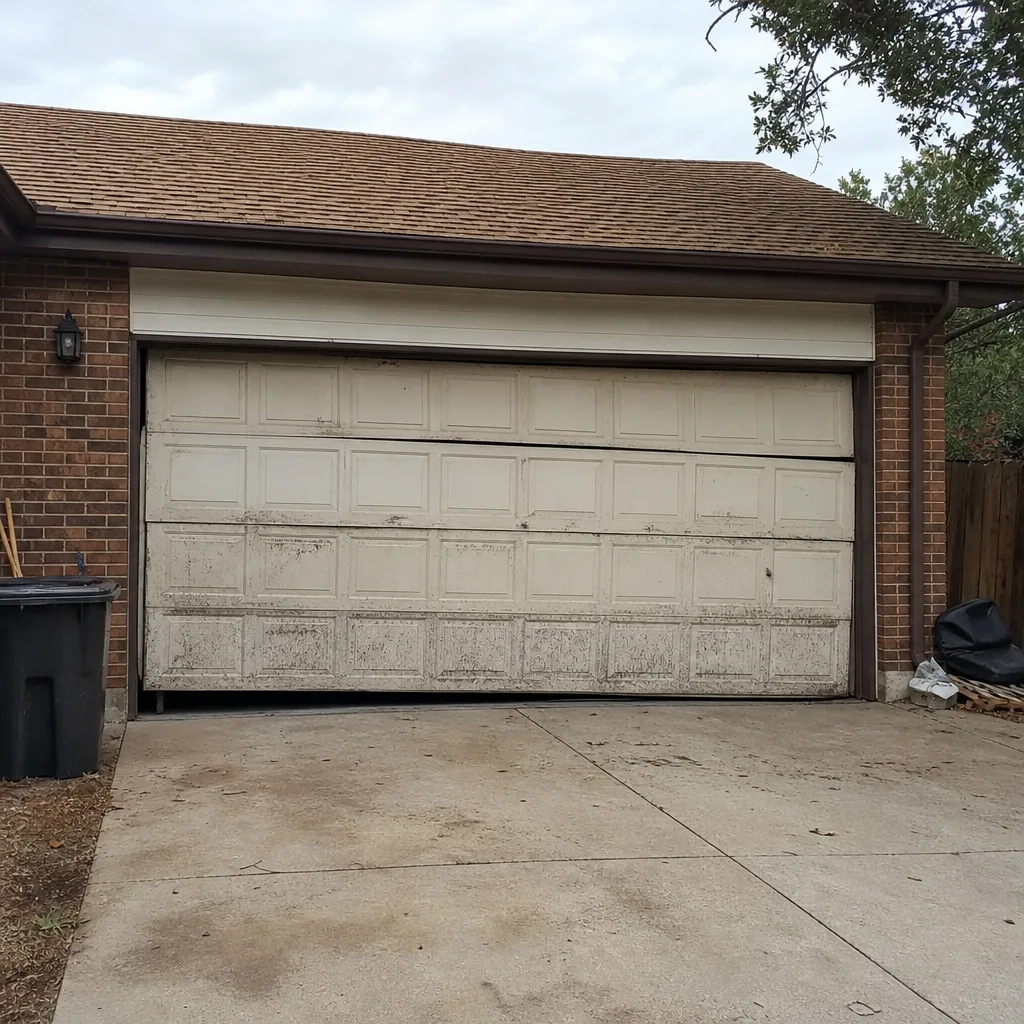 Before
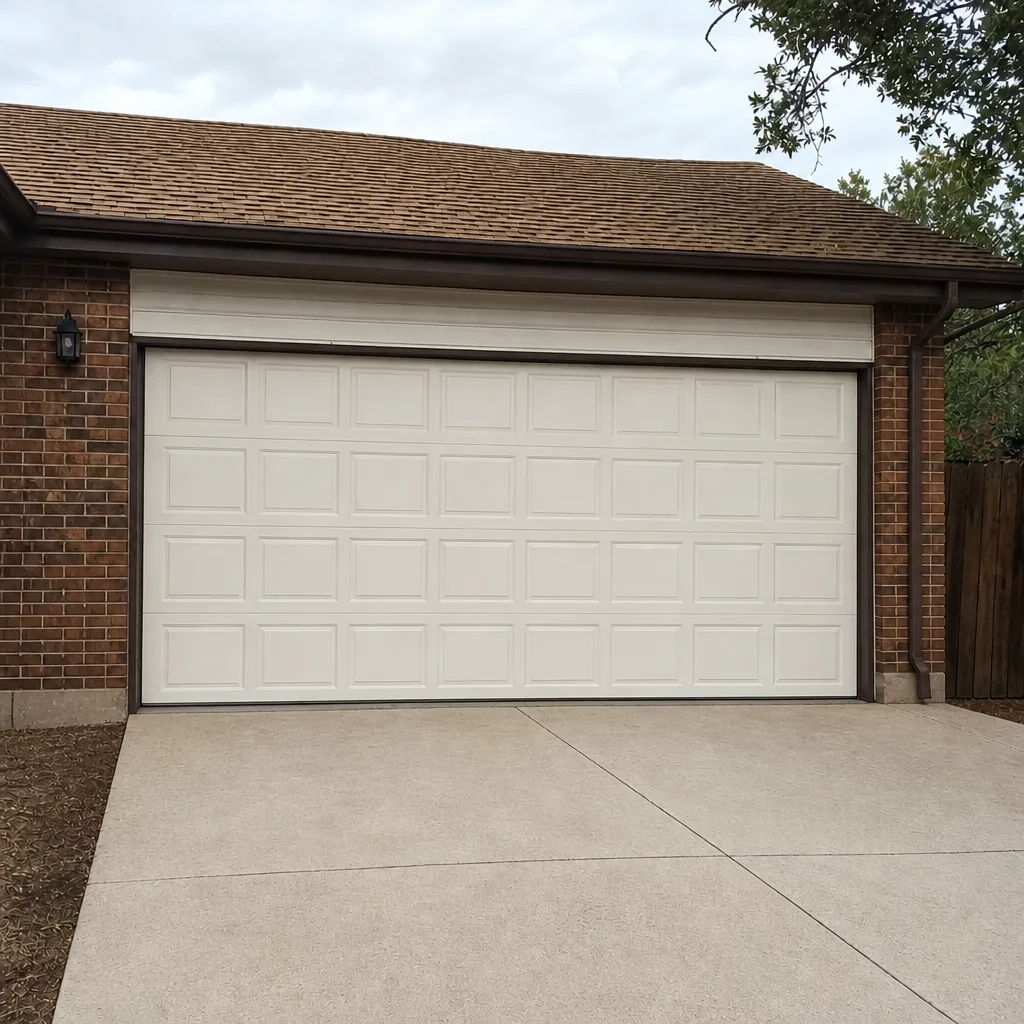 After
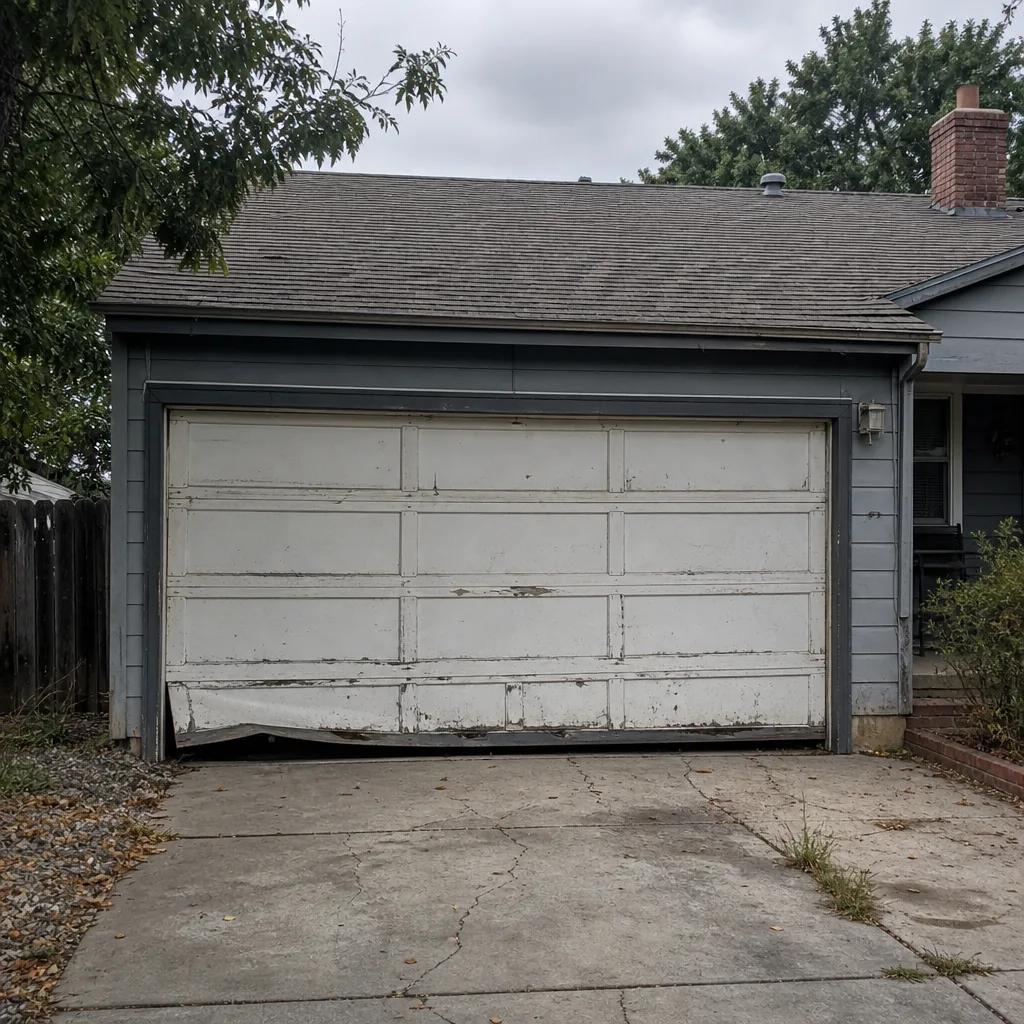 Before
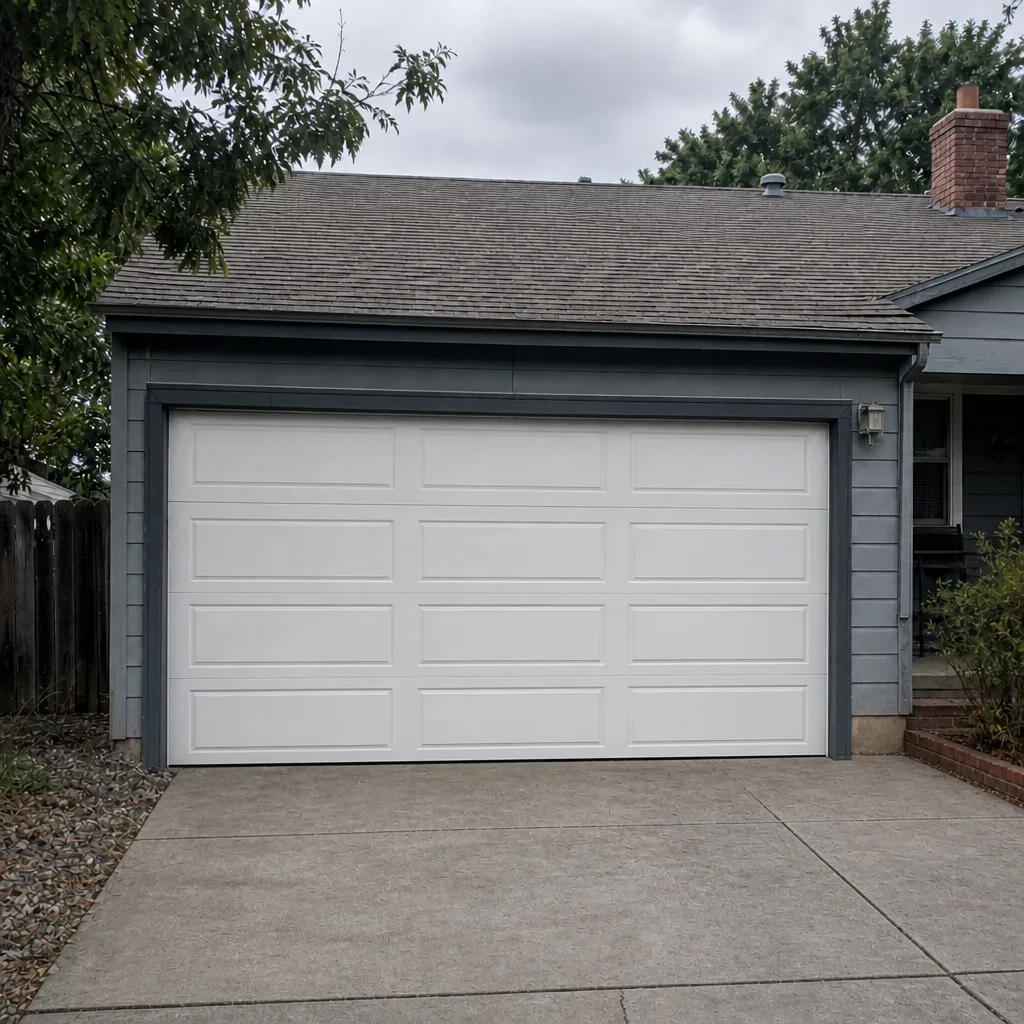 After
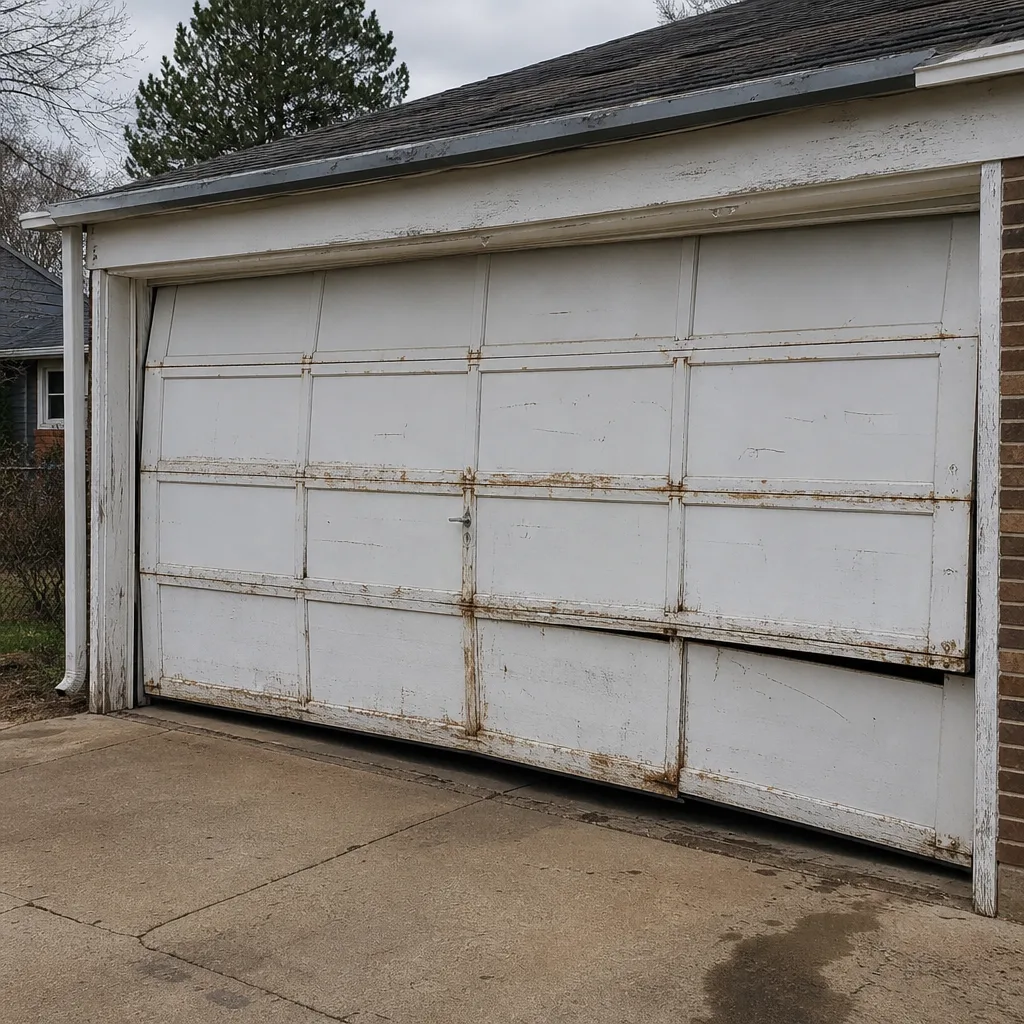 Before
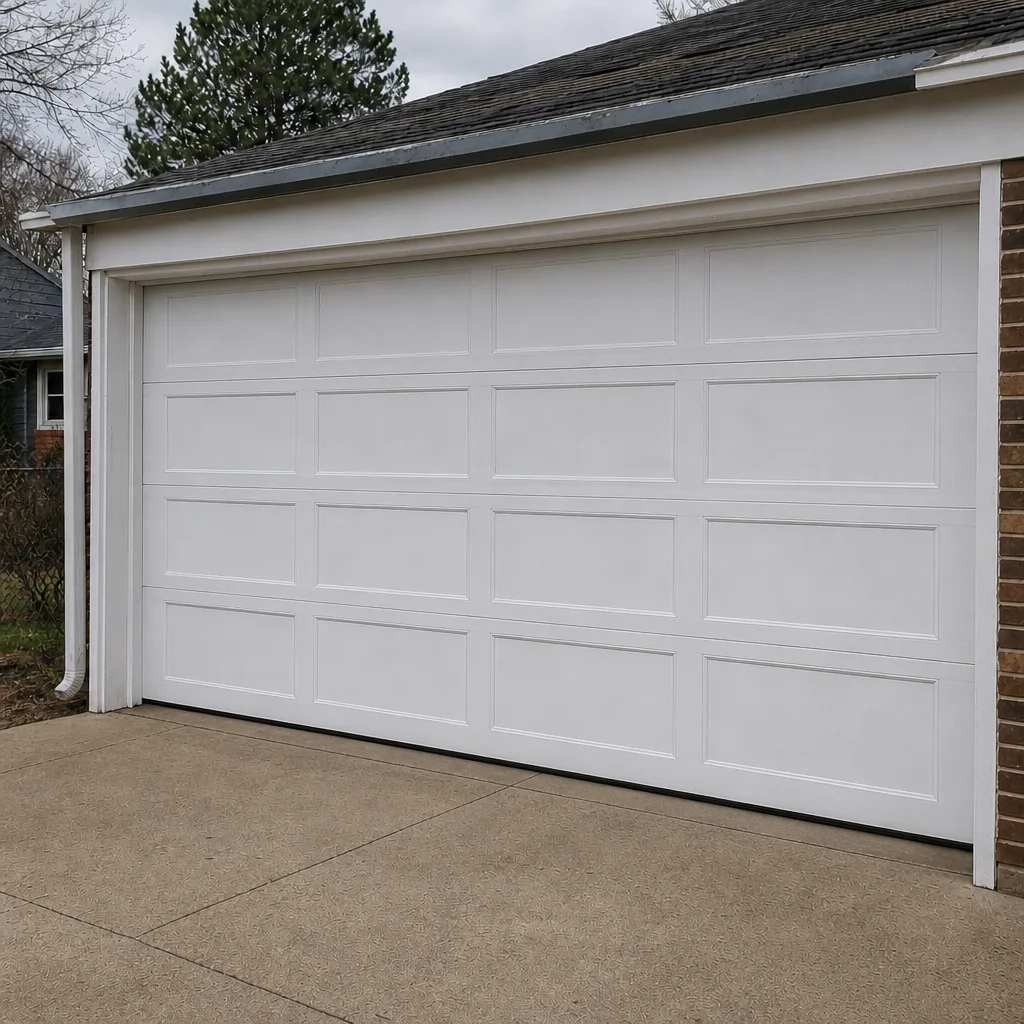 After
When to Call a Professional
Call a technician when a spring has snapped or the door is too heavy to lift, when the door comes off its tracks, when the opener reverses for no reason, when you can see bent or loose track sections, or when the door binds and won’t open fully. Also call when a repair has been put off and the door is getting harder to operate, because a small fix now is usually cheaper than a larger one later. Springs, cables, and torsion hardware should always be handled by a trained professional, and most cities require a permit for major structural changes to a garage door, so ask your city’s building department if a job crosses that line. Lakewood Garage Door Repair Co offers free estimates in Lakewood, and our technicians have up to 15 years of experience across LiftMaster, Chamberlain, Genie, Clopay, Amarr, Wayne Dalton, Craftsman, and Raynor equipment. Call (833) 681-3532 and we’ll diagnose the door you have and quote the fix before any work starts.
Frequently Asked Questions
A single spring replacement in Lakewood typically runs $180 – $340 per spring, and a matched pair is usually replaced together at roughly twice that. The written estimate sets the final price, and the number should be confirmed before any work starts. Call (833) 681-3532 for an exact quote, since estimates are free.
In most cases, yes. When a spring has failed or the door won’t open, call and we’ll send a technician for a same-day diagnosis where scheduling allows. The call comes first, so we can confirm what’s wrong and quote the repair before the visit. Call (833) 681-3532.
The written estimate sets the price. We diagnose first, explain what’s wrong, and agree on the price before any work starts. If the job turns out to be a different repair than the initial symptoms suggested, we’ll tell you before we do anything, not after.
The local professional we connect you with works to the licensing and insurance requirements their state sets for the trade. We vet that before any job is scheduled. If you’d like to confirm details before work starts, call (833) 681-3532 and we’ll walk you through it.
Lakewood sits at 5,440 feet, and the 40°F day-to-night temperature swing here forces the door to expand and contract constantly. That thermal cycling wears springs, loosens tracks, and dries out lubricants faster than a mild climate would. Front Range UV also breaks down the finish and seals on south- and west-facing doors, so the maintenance schedule here is heavier than a national guide assumes.
Start with diagnosis: check the door’s age, the spring cycle count, and the opener’s vintage. If the door is under roughly 15 years old and the panels are sound, a repair is usually right. If multiple major parts are failing at once, replacement starts to make sense. Call (833) 681-3532 for a free estimate and a straight answer either way.
The Bottom Line
A garage door in Lakewood lives a harder life than most guides account for. Thermal swings at elevation, strong UV, dry air, and a housing stock that ranges from 1970s ranches to newer Green Valley Ranch builds all shape what fails and when. Springs are the highest-risk part of the system, they’re usually the first thing to go, and they should always be handled by a trained technician. Repair-first logic saves money: fix what’s failing, protect what’s working, and replace only when the systems are worn out together. Every price is an estimate, and the written quote is the price you’ll pay. If your door is making new noises or won’t stay up, get it looked at before it gets worse. At Lakewood Garage Door Repair Co, we work on the door you have, diagnose first, and quote before we start.
For a free estimate on any repair, tune-up, or new installation, call (833) 681-3532. You can also start with Lakewood Garage Door Repair Co to see the full range of what we do across LiftMaster, Chamberlain, Genie, Clopay, Amarr, Wayne Dalton, Craftsman, and Raynor equipment.
Written by the team at Lakewood Garage Door Repair Co.