Last updated November 20, 2026
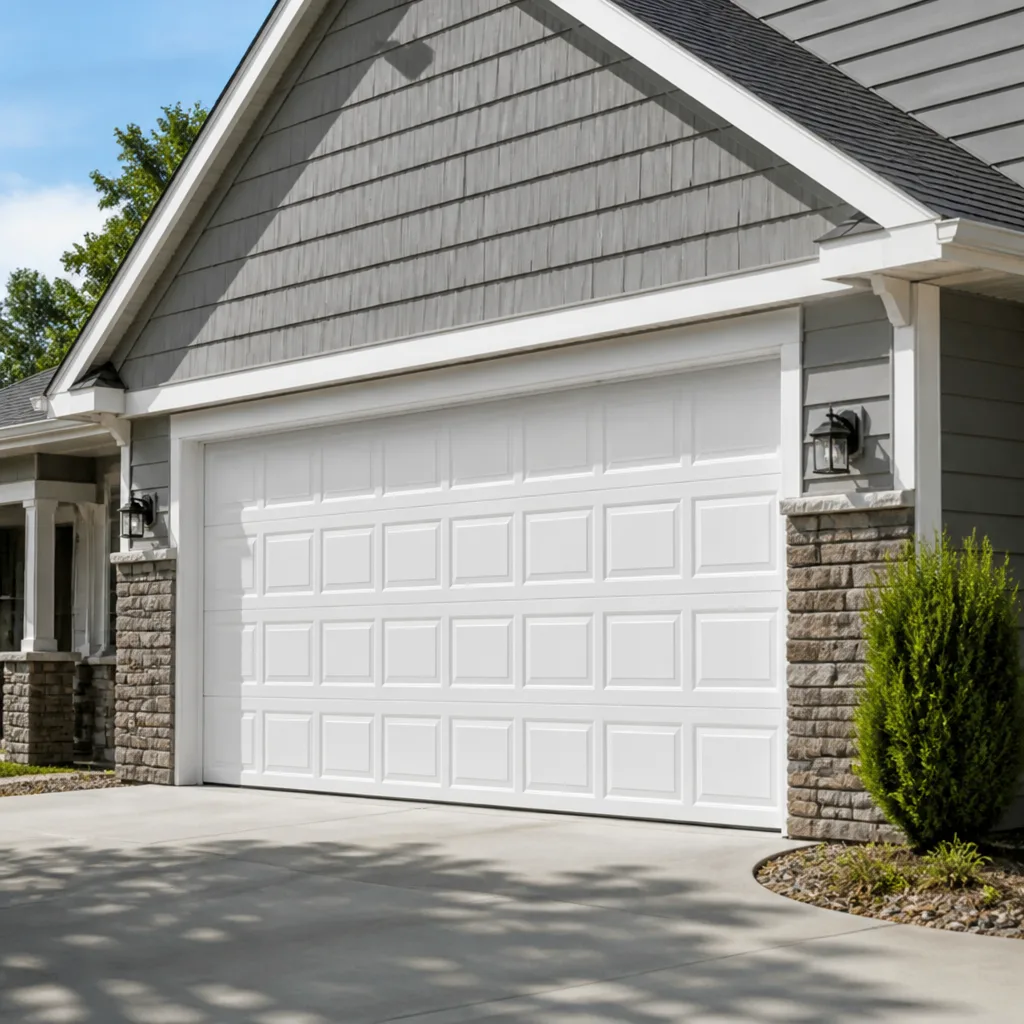 Raised-panel steel
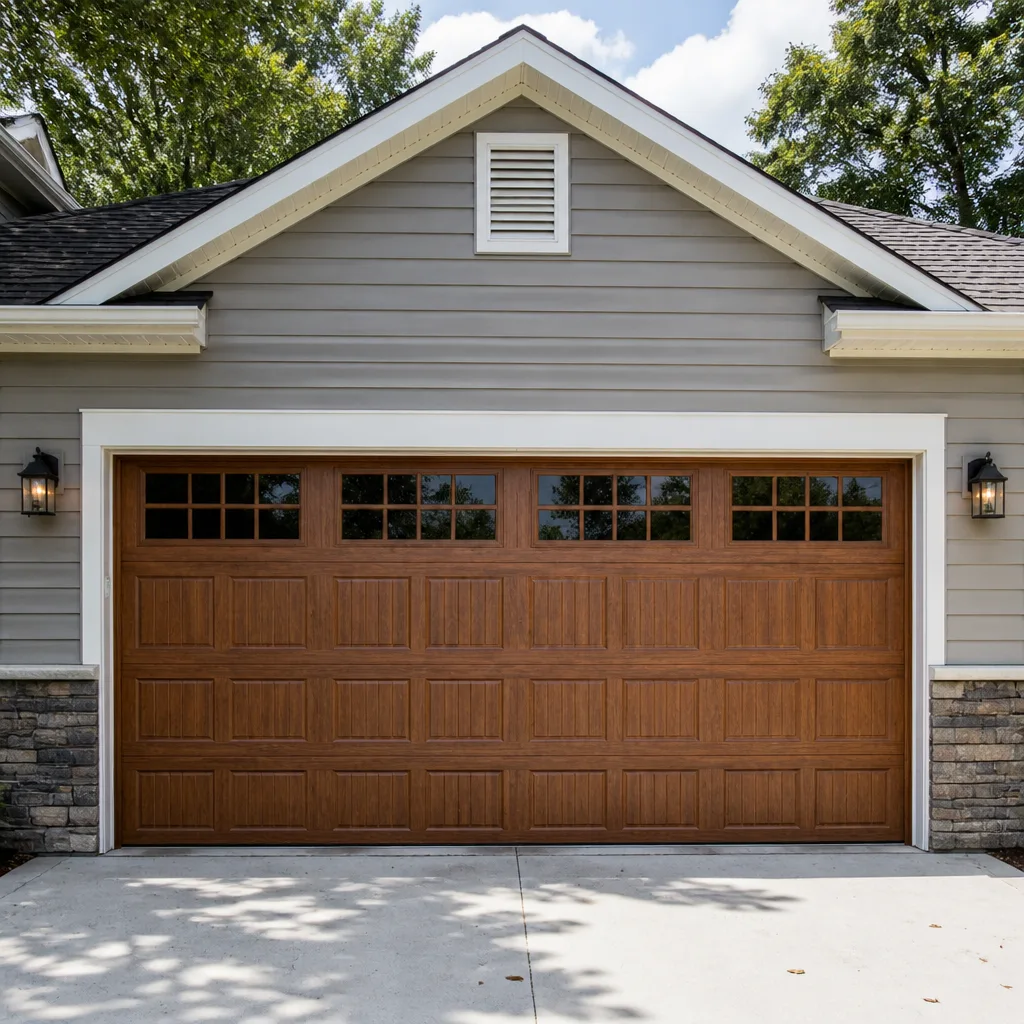
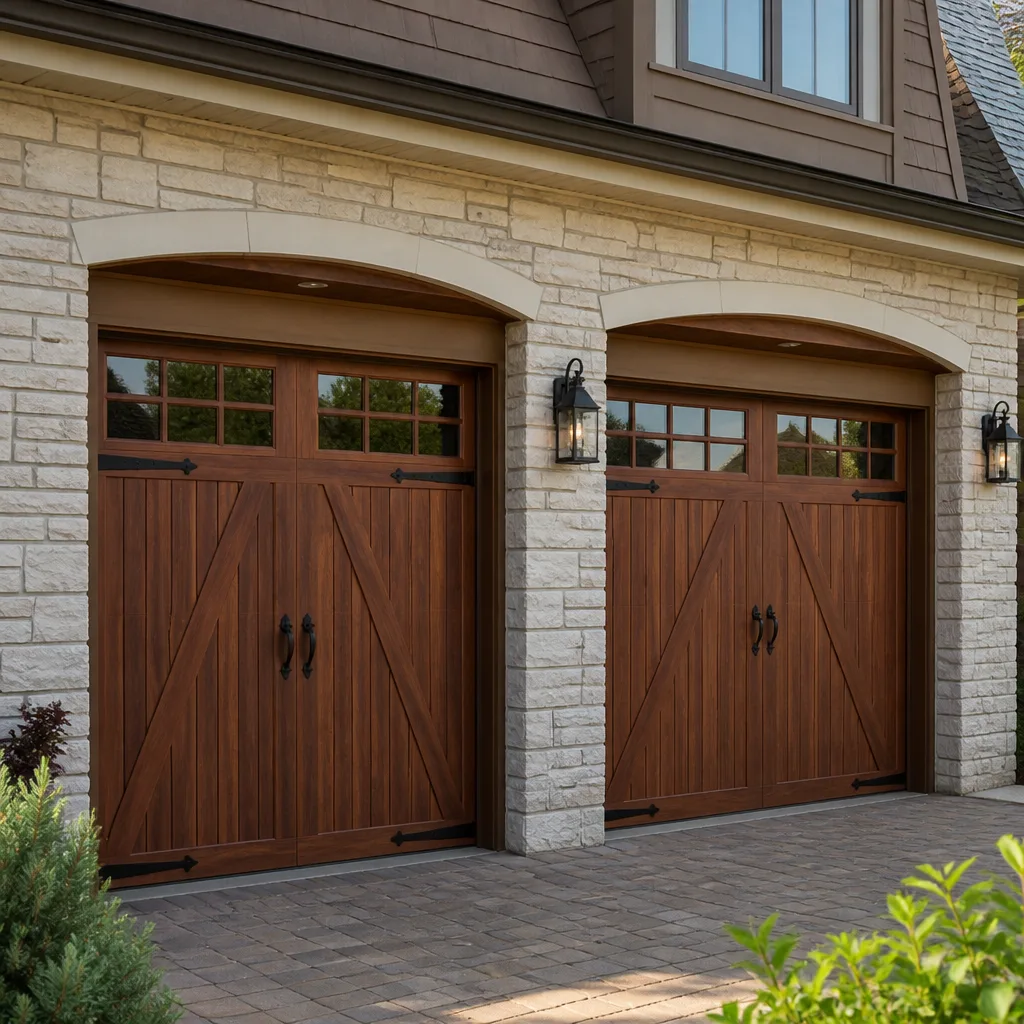 Carriage house
 Modern flush
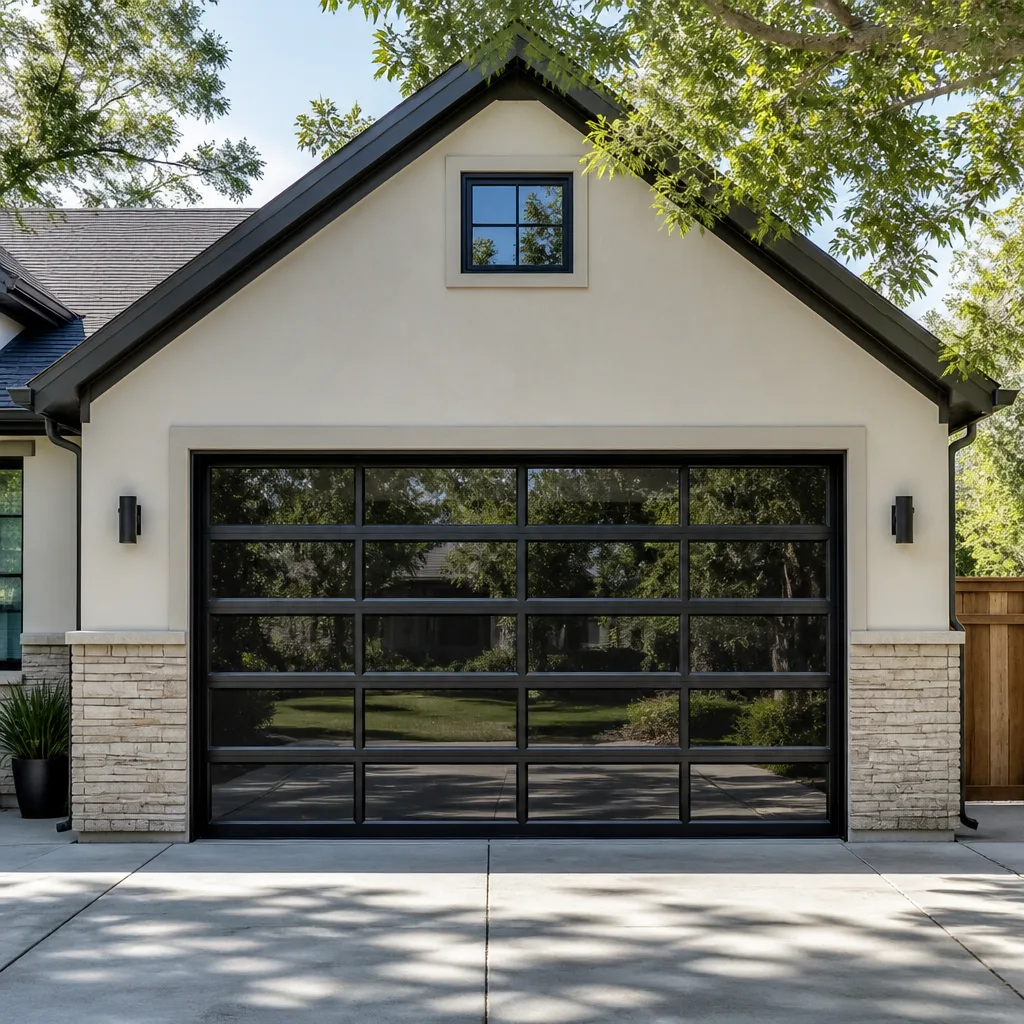 Full-view glass
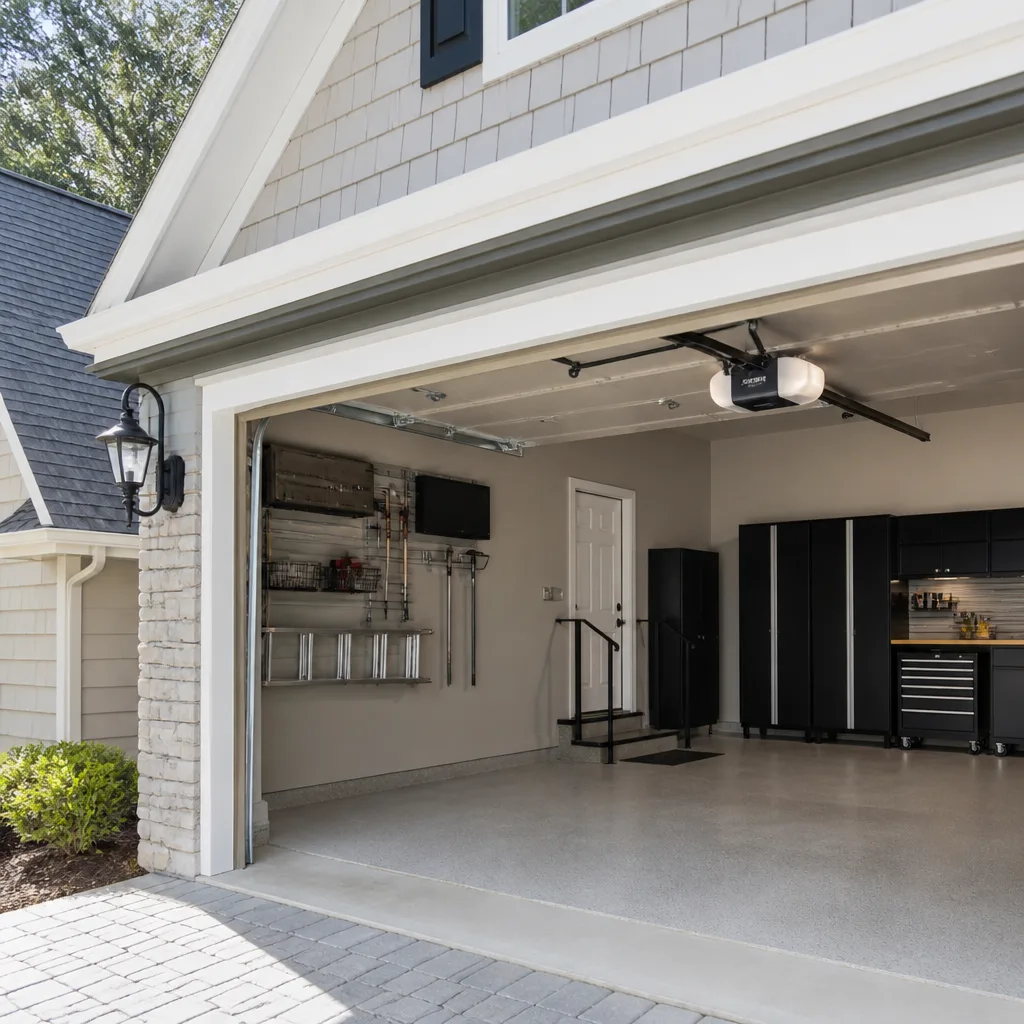 LiftMaster openers
 Chamberlain openers
Full 25-point door and opener safety check with every visit - springs, cables, rollers, tracks, and your LiftMaster or Chamberlain opener included
You get a price before we start. It does not change when the pro arrives.
Get your free estimateGarage Door Repair Maintenance Checklist for Lakewood Homeowners
Torsion springs hold several hundred pounds of torque. Plenty of online tutorials skip that fact entirely, and plenty of homeowners learn it the hard way. Here’s the problem with most garage door checklists: they hand you one flat list that mixes harmlessly easy chores with jobs that can maim you if a spring lets go. This guide draws a hard line between what you can safely do yourself and what belongs to a trained technician. Follow it and you’ll add years to your door. Ignore the line and you’re gambling with your hands. We’ll walk through the tasks that matter in Lakewood’s climate, how to test your door correctly, and what to write down so your next service call starts smart.
Quick Answer
A solid garage door maintenance routine has two halves. The owner-safe half is monthly lubrication of rollers, hinges and tracks, a visual inspection for wear, weatherstripping checks and a balance test. The technician half covers spring tension and cable adjustment, opener force calibration beyond the basic wall-button test, and any work on the torsion system. In Lakewood, add a weatherstripping review after summer UV exposure and again before the first hard freeze.
Styles & brands we work with
- Raised-panel steel
- Carriage house
- Modern flush
- Full-view glass
- LiftMaster openers
- Chamberlain openers
Table of Contents
- Owner-Safe Tasks You Can Do Yourself
- Technician-Only Tasks: Where the Line Sits
- Lubrication: What to Use and Where
- The Balance Test and What It Tells You About Spring Life
- Opener Force and Sensitivity: The Setting Most People Skip
- Lakewood Climate and Your Weatherstripping
- What to Log and Keep for the Next Technician
- Common Mistakes to Avoid
Owner-Safe Tasks You Can Do Yourself
These chores are safe for a homeowner with basic tools and a step stool. None of them involve the springs, cables or the torsion bar. Every one of them directly extends the life of the hardware. Do them monthly or every other month, and you’ll catch wear before it turns into a repair bill.
- Lubricate rollers, hinges and pivot points. A garage door lubricant (not WD-40) on each hinge pivot and roller bearing keeps metal from grinding itself down.
- Wipe the tracks clean. A damp rag removes grit and old grease. Don’t lubricate the tracks themselves; a dry track lets the rollers roll, a greasy one collects dirt and drags.
- Check the safety sensors. With the door open, wave an object across the beam. The door should refuse to close. If it closes anyway, stop using the door and call a technician.
- Look at the weatherstripping. Run your hand along the bottom seal and the side jambs. Any gap, crack or stiff rubber means it needs replacing before the next cold snap.
- Inspect the hardware visually. Look for bent hinges, loose bolts and fraying lift cables. Tighten what you can reach safely. If a cable looks frayed, don’t touch it; that’s a technician job.
- Test the manual release. Pull the red cord with the door closed and make sure the door slides freely by hand. Don’t force anything.
None of these require you to be under the door, near the springs or up on a ladder over the torsion bar. That’s deliberate. These are the tasks where a homeowner’s effort genuinely pays off with nothing risked.
Technician-Only Tasks: Where the Line Sits
Here’s the boundary, stated plainly: anything involving the torsion spring, the extension springs, the cables or the torsion bar is a trained-professional job. Not because we’re gatekeeping. Because a torsion spring stores enough energy to break bones or worse if it releases under load, and because a cable under tension can snap across a garage in a fraction of a second.
The mechanical reason matters. A torsion spring is wound to counterbalance the door’s weight. When you adjust tension, you’re changing how many turns that spring holds. Get it wrong and the door drops or the spring fails violently. Extension springs, common on older doors, carry the same risk plus the added hazard of the safety cable that’s supposed to contain a break. If that cable is missing or damaged, the spring can fly across the garage when it lets go.
Under this heading, never a homeowner task:
- Adjusting torsion spring tension or rewinding a spring
- Replacing torsion or extension springs
- Touching, tightening or replacing lift cables
- Replacing the bottom bracket or the cable drum
- Straightening a bent track beyond a gentle nudge
- Any work with the door under spring tension
Dedicated spring work is genuinely one of the most dangerous parts of the trade, which is why we treat it as its own discipline rather than a side task. When we handle garage door repair in Lakewood, the springs get the same careful diagnosis as everything else. If you hear a sharp bang from the garage and afterward the door won’t lift, a spring has likely failed. Don’t try to open it. Call a technician.
Lubrication: What to Use and Where
Lubrication is the single highest-value homeowner task, and most people get it half right. The mistake is using the wrong product on the wrong part. A garage door needs a purpose-made garage door lubricant, usually a lithium or silicone-based spray, on the moving joints. It does not need grease slathered on the tracks.
Where to apply it:
- Each hinge pivot point (a small spray, not a soaking)
- Each roller bearing or stem, where the roller meets the track
- The torsion bar bearings at the top, if you can safely reach them from a step stool
- The lock, if your door has one
- The opener’s chain or belt, following the opener’s own instructions
Where not to apply it: the tracks themselves, and the springs. Grease on a track turns into a dirt magnet that grinds the rollers. Springs don’t need lubricant and adding it only makes them slippery for a technician who has to work on them.
Once a month is plenty for most Lakewood homes, and once every two months is workable if your door gets light use. A door that’s used many times a day benefits from a monthly pass. This is also the moment to do the balance test below. Lubrication and balance checks pair naturally and take ten minutes together.
The Balance Test and What It Tells You About Spring Life
The balance test is the best homeowner-level diagnostic there is, and most people have never done it. It tells you how much counterbalance the springs still have, and that tells you roughly how much life they have left. Here’s how to run it correctly.
- Close the door fully and pull the manual release cord to disconnect the opener. The door should now move by hand only.
- Lift the door by hand about halfway up. Move slowly, using your legs, never your back.
- Let go. The door should stay put, roughly level, with no more than a small drift.
- Try the same test at a quarter open and three-quarters open.
What the results mean: a door that stays where you leave it throughout the travel is well balanced. A door that sinks on its own means the springs have lost tension and are getting weak. A door that rises on its own means the springs are set too tight, which strains the opener. Neither is a good sign, and neither is a task to adjust yourself. Reconnect the opener when you’re done and test the door’s response.
Balance test results are also the most useful thing you can log. Write down the date, the door’s position when it drifted, and how far it moved. Next time a technician visits, that record tells them whether the springs have been slowly weakening or whether something changed suddenly. Our technicians have up to 15 years of experience reading exactly this kind of history, and a few notes save a lot of guessing.
Opener Force and Sensitivity: The Setting Most People Skip
An opener has two important settings: force and sensitivity. Force is how hard it pushes to move the door. Sensitivity is how quickly it reverses when it meets resistance. Over time, as the door gets heavier and the springs lose tension, well-meaning people crank up the force to make it work. That’s the wrong fix, and it’s the step most homeowners skip.
Here’s the correct approach. If the opesrter starts struggling, the cause is almost always the door, not the opener. A heavier door, worn rollers or weakening springs all make the opener work harder. Increasing force masks the problem and wears out the opener faster. The better move is to fix the underlying door and then reset force to the correct level.
The basic sensitivity test you can do safely:
- Place a solid object, like a brick or a piece of 2×4, flat on the floor under the door.
- With the door open, press the close button and watch.
- The door should reverse immediately when it contacts the object, not push and grind.
If it grinds or pushes before reversing, turn down force or raise sensitivity on the opener’s own controls (many LiftMaster and Craftsman openers have these on the back panel), then retest. Don’t leave a door that fails this test in service. If the settings don’t respond, the opener may be failing, and garage door opener repair is the next step. Getting force and sensitivity right is the single best thing you can do to make an opener last.
Lakewood Climate and Your Weatherstripping
Weatherstripping failures rarely announce themselves. They show up as a cold draft, a slightly higher heating bill, or snow blowing in around a corner. Lakewood’s swings matter here: summer UV bakes the rubber bottom seal and the side jambs, stiffening them until they no longer press against the door. Then the first hard freeze arrives and a seal that was already brittle can crack clean through or pull away.
That’s why “check it twice a year” isn’t specific enough. Check it after the heat of summer, when UV exposure has done its work, and check it again before the first hard freeze. Those two moments catch the two conditions that do the most damage. The bottom seal is the most common failure point because it takes the most contact and the most direct sun.
What to look for:
- Cracks, splits or a chalky, stiff texture in the bottom seal
- Light or draft coming through when the door is closed
- Water pooling near the door after rain or snowmelt
- Gaps at the corners where the side jambs meet the door
Replacing the bottom seal is a reasonable homeowner job on many doors, but if the seal is glued or the door has a specific weatherstripping profile (common on Clopay and Wayne Dalton models), a replacement that fits matters. Get it wrong and you’ll be back to square one. When in doubt, ask a technician to spec the right strip. It’s a small job, and worth doing once.
What to Log and Keep for the Next Technician
The single most underrated maintenance habit is keeping a log. A technician who knows the door’s brand, age, service history and recent behavior can diagnose faster and recommend more accurately. A technician starting blind has to rediscover the same things. Here’s what to keep.
What to write down:
- The door’s brand and model, if you can find it. Look for a sticker on the door or the opener. Wayne Dalton, Raynor, LiftMaster and others all label their hardware.
- Approximate cycle count. Count how many times the door opens per day, times the days since installation or last major service. A door used four times a day for ten years has roughly 14,600 cycles. That helps a technician judge whether the springs are near their expected life.
- Service dates and what was done.
- Balance test results with dates.
- Any new noises, hesitations or changes in behavior, with the date you noticed.
Keep it simple. A notes app on your phone works fine. The goal isn’t a formal record, it’s the difference between “the door’s been acting up” and “it started dragging about three weeks ago.” Diagnosis first, recommendation second is how we work, and a good log makes that diagnosis sharper. If you’d rather have the parts on hand to keep service moving, we can supply the right hardware rather than leaving you waiting on an order.
Common Mistakes to Avoid
- Greasing the tracks. Tracks are meant to stay dry. Grease collects grit and grinds the rollers down. Clean them, don’t lube them.
- Cranking up opener force to fix a heavy door. Force is masking the problem, not fixing it. The door is the cause, and higher force wears the opener faster.
- Adjusting spring tension yourself. This is the one mistake that can send someone to the emergency room. Torsion springs are under hundreds of pounds of torque. Leave them alone.
- Ignoring a fraying lift cable. Frayed cables don’t get better on their own; they snap. Stop using the door and call a technician.
- Skipping the weatherstripping check until winter. By then the damage is done. Check after summer and before the first freeze.
- Replacing a door that just needs repair. A stiff door, a noisy roller or a weak opener is often a fix, not a replacement. Diagnosis first, recommendation second.
- Letting the safety sensors go untested. If they fail silently, the door could close on a child or a pet. Wave an object through the beam every month.
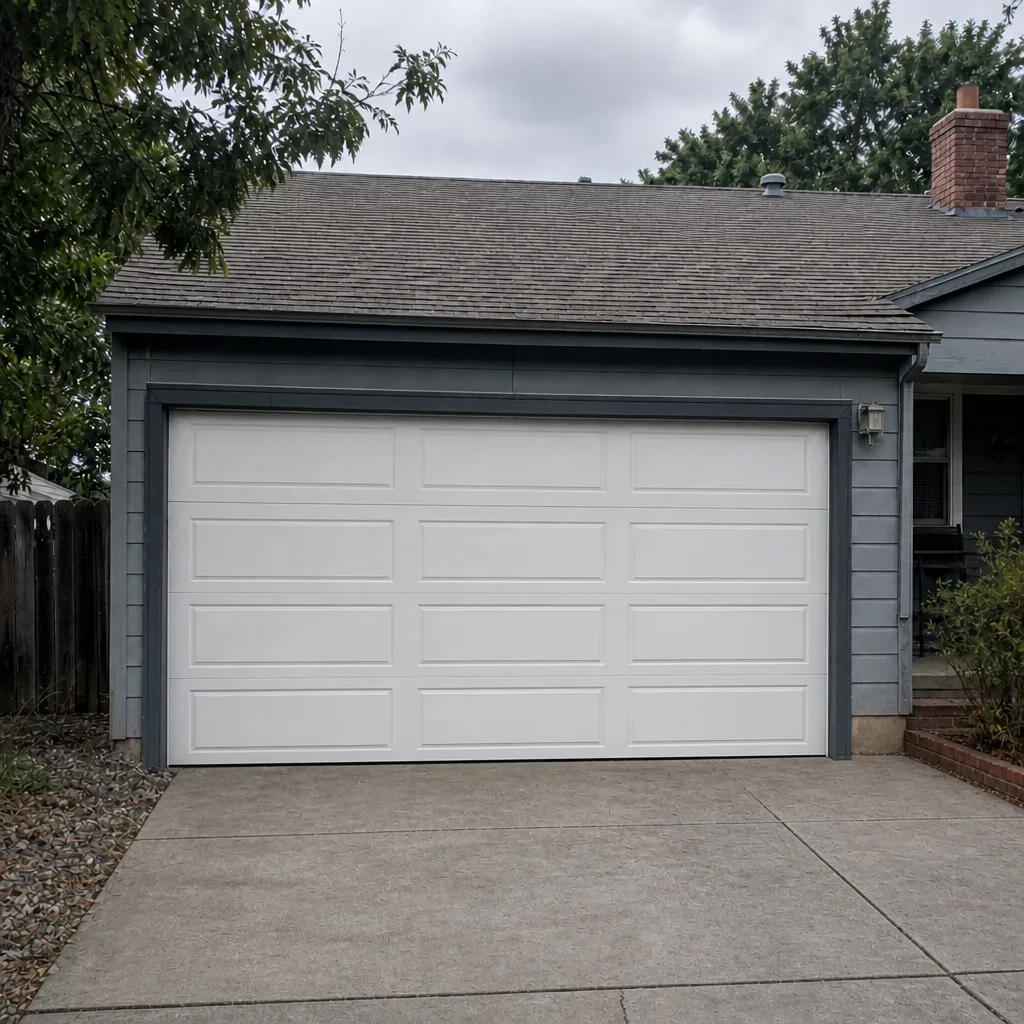
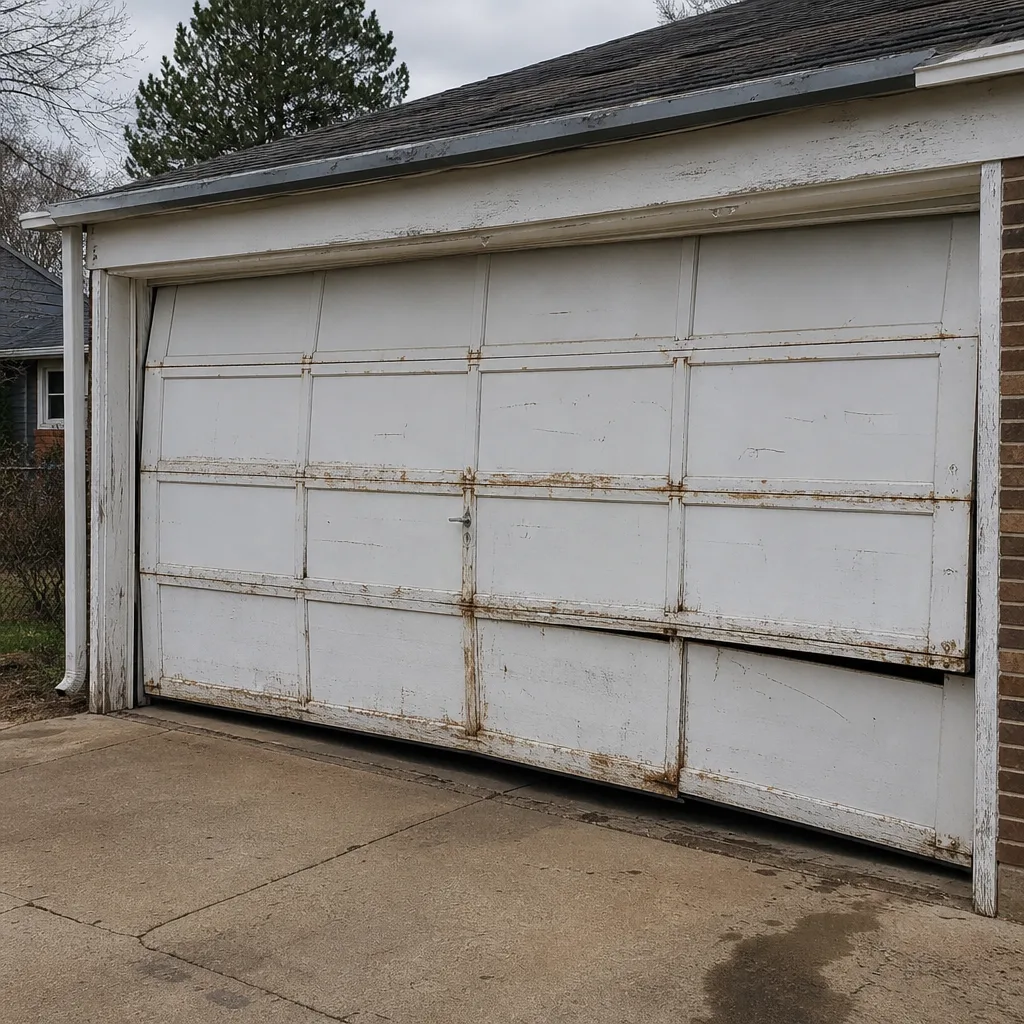
See the difference
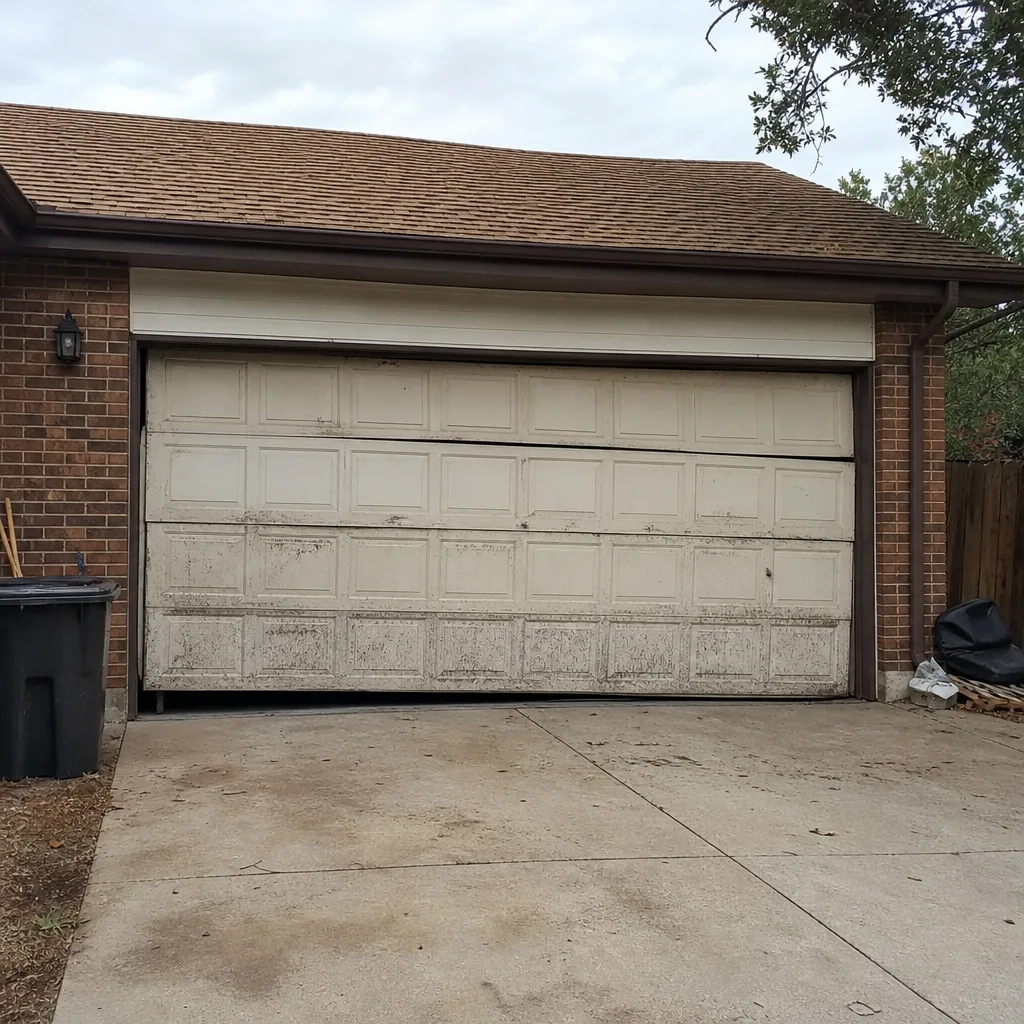 Before
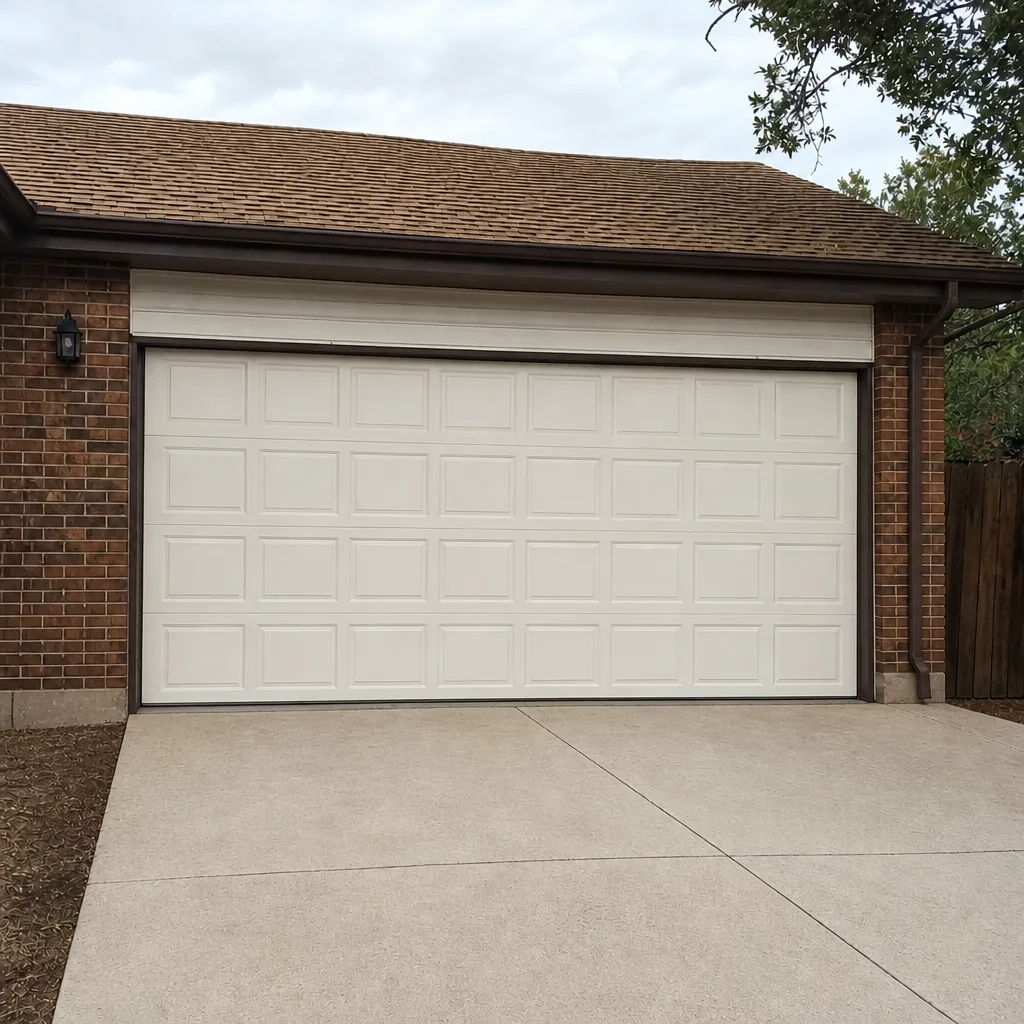 After
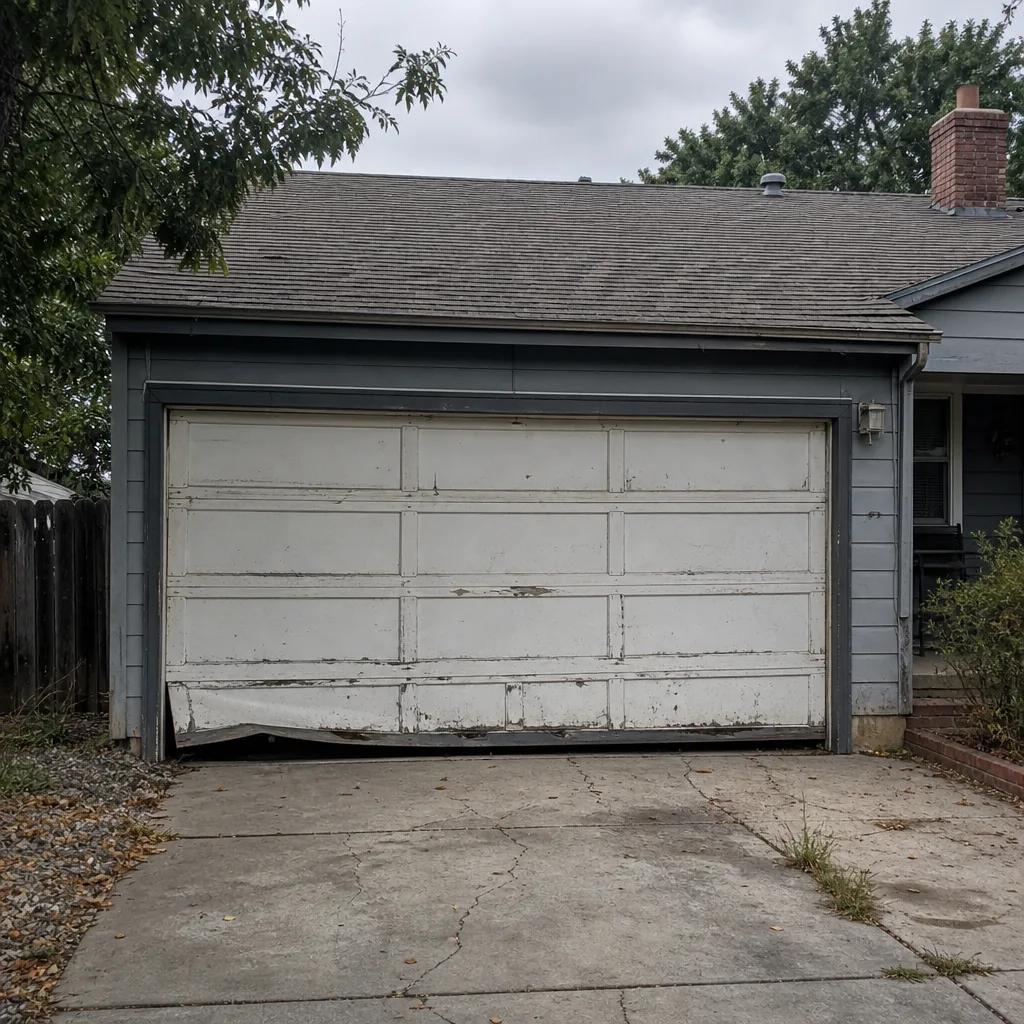 Before
 After
 Before
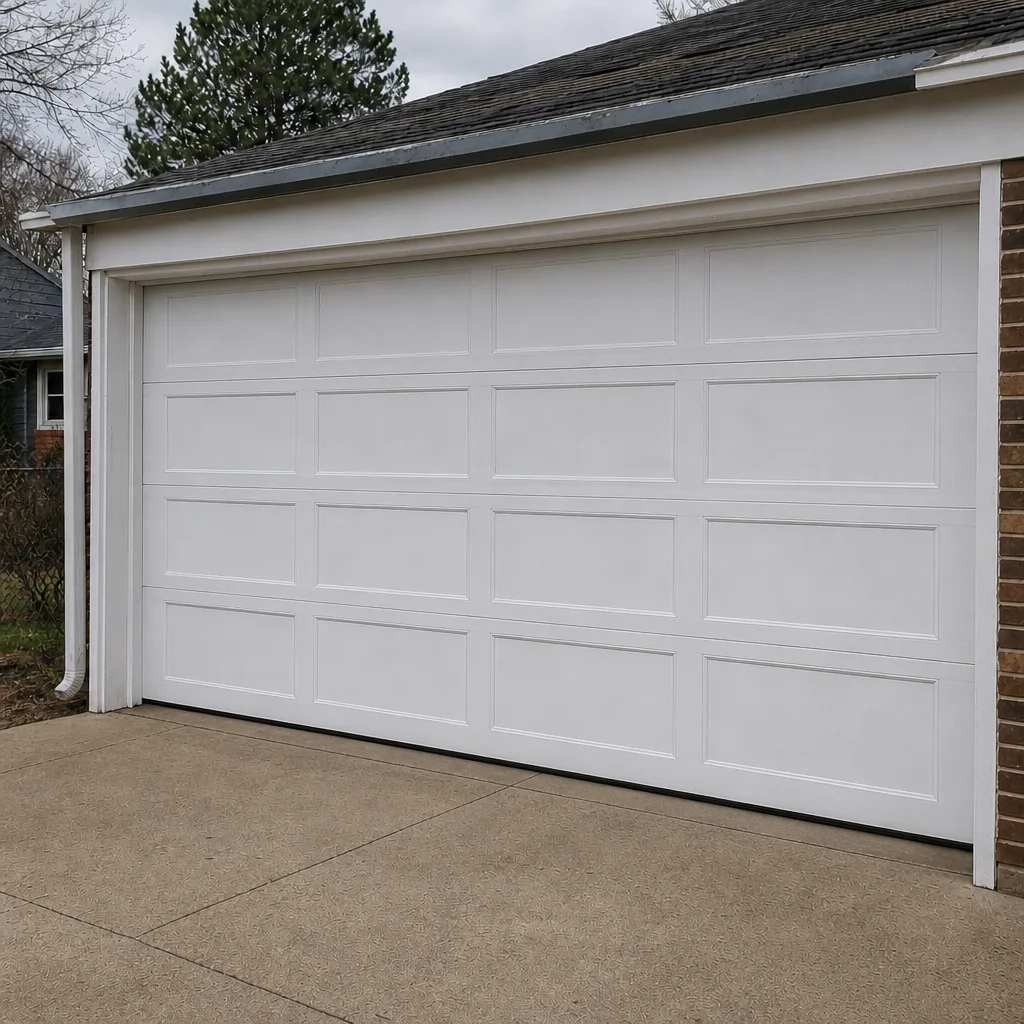 After
When to Call a Professional
Call a technician when a spring breaks (sharp bang, door won’t lift), when a cable looks frayed or the door lifts unevenly, when the door swings open on its own, when the safety sensors fail the beam test, or when the opener reverses slowly or grinds. Also call if the door has been getting harder to open by hand over several weeks; that usually means the springs are weakening and about to fail. None of these are homeowner jobs, and all of them get worse with use. Lakewood Garage Door Repair Co offers free estimates in Lakewood, and we’ll diagnose before we recommend. Call (833) 681-3532 and we’ll take a look at the door you have.
Frequently Asked Questions
Monthly for most homes, or every two months for a lightly used door. Put lubricant on the hinge pivots, roller bearings and lock, and keep it off the tracks and springs. Monthly is also the right rhythm for a balance test, which catches weakening springs early.
No, and we’d say that to anyone. Torsion and extension springs are under enough stored energy to break bones if they release under load, and the cable that’s supposed to contain an extension spring break can snap too. Spring repair is a trained-technician job. Call (833) 681-3532 if a spring has failed and estimates are free.
Run the balance test: disconnect the opener, lift the door partway, and let go. If the door sinks on its own, the springs are losing tension. If it rises on its own, they’re too tight. Either result needs a technician, not a homeowner adjustment.
Greasing the tracks or cranking up opener force to compensate for a heavier door. Both papers over a problem that should be fixed at the door. Clean tracks run dry, and a struggling opener usually means worn rollers or weakening springs.
After summer, when UV exposure has stiffened the rubber, and again before the first hard freeze. Those two checks catch the most damage. Look for cracks, chalky texture, drafts and water intrusion, and replace the bottom seal before winter if it’s failing.
Yes, and it’s simple. Note the brand, approximate cycle count, service dates, balance test results and any new noises with dates. A technician can diagnose faster from a short log than from a vague “it’s been acting up.” It also helps you decide whether a repair or a replacement makes sense.
The Bottom Line
Maintenance works best when you respect the line between owner tasks and technician tasks. Lubricate the joints, clean the tracks, test the sensors and balance, check the weatherstripping after summer and before the freeze, and keep a short log. Leave the springs, cables and tension adjustments to a trained technician, because those are the jobs where a mistake is dangerous. Do the safe half consistently and your door will last years longer. Get the dangerous half wrong once and it’s a trip to the ER. When a spring, cable or opener issue turns up, call Lakewood Garage Door Repair Co at (833) 681-3532 for a free estimate on the door you already have. We also handle garage door installation and keep parts on hand, so a related fix doesn’t mean a second contractor or a long wait.
If you’re still figuring out whether to call anyone at all, a free estimate is the cheapest way to find out. We’ll diagnose the actual system, whether that’s a Raynor, Wayne Dalton, LiftMaster or anything else, and tell you what it needs without steering you toward a replacement you don’t need. Learn more about Lakewood Garage Door Repair Co and what we cover.
Written by the team at Lakewood Garage Door Repair Co.