Last updated November 20, 2026
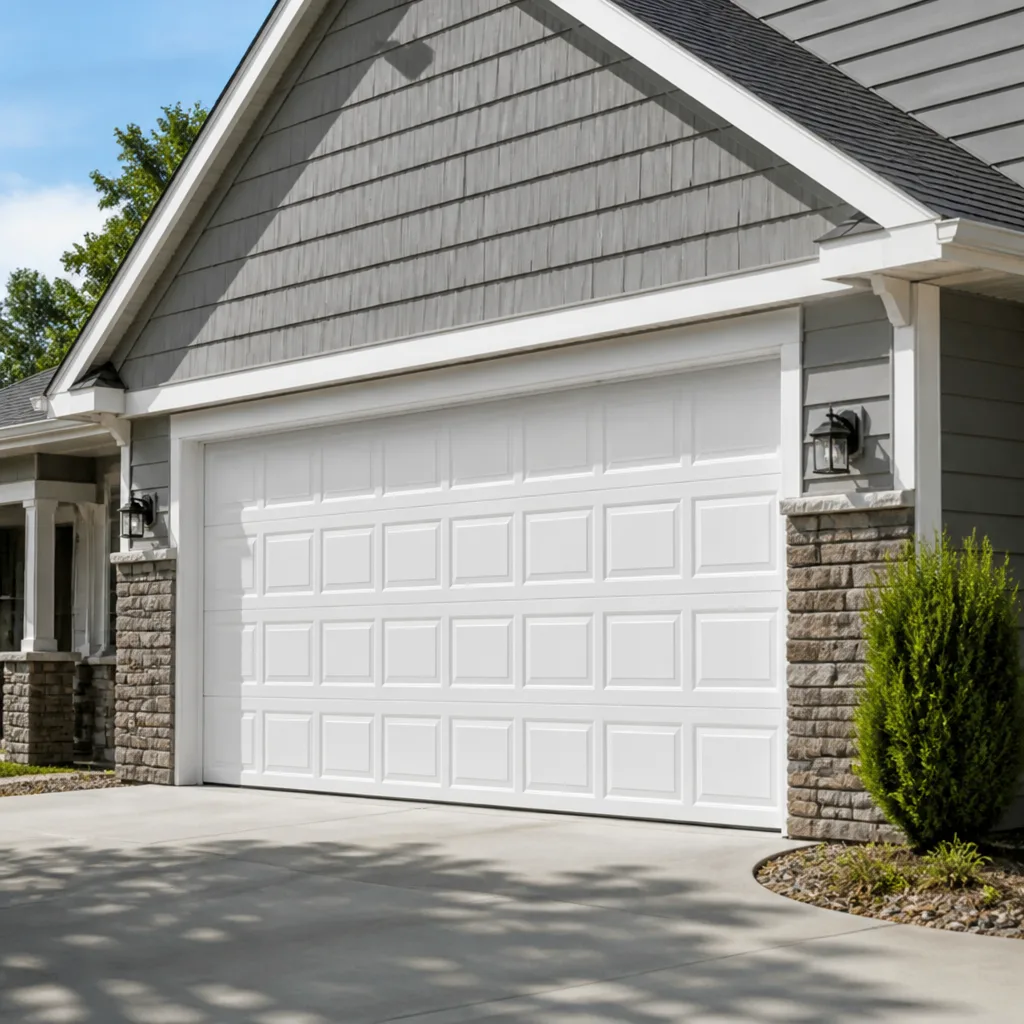 Raised-panel steel
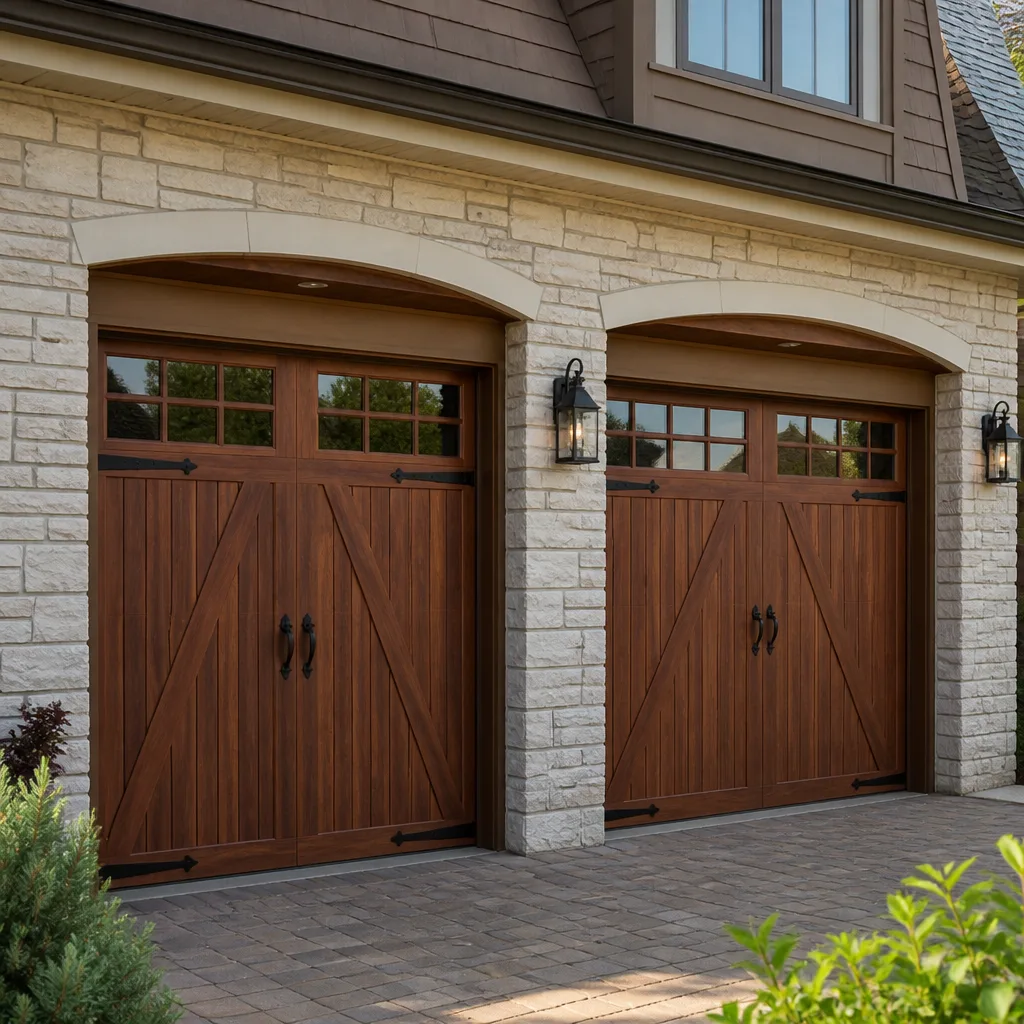 Carriage house
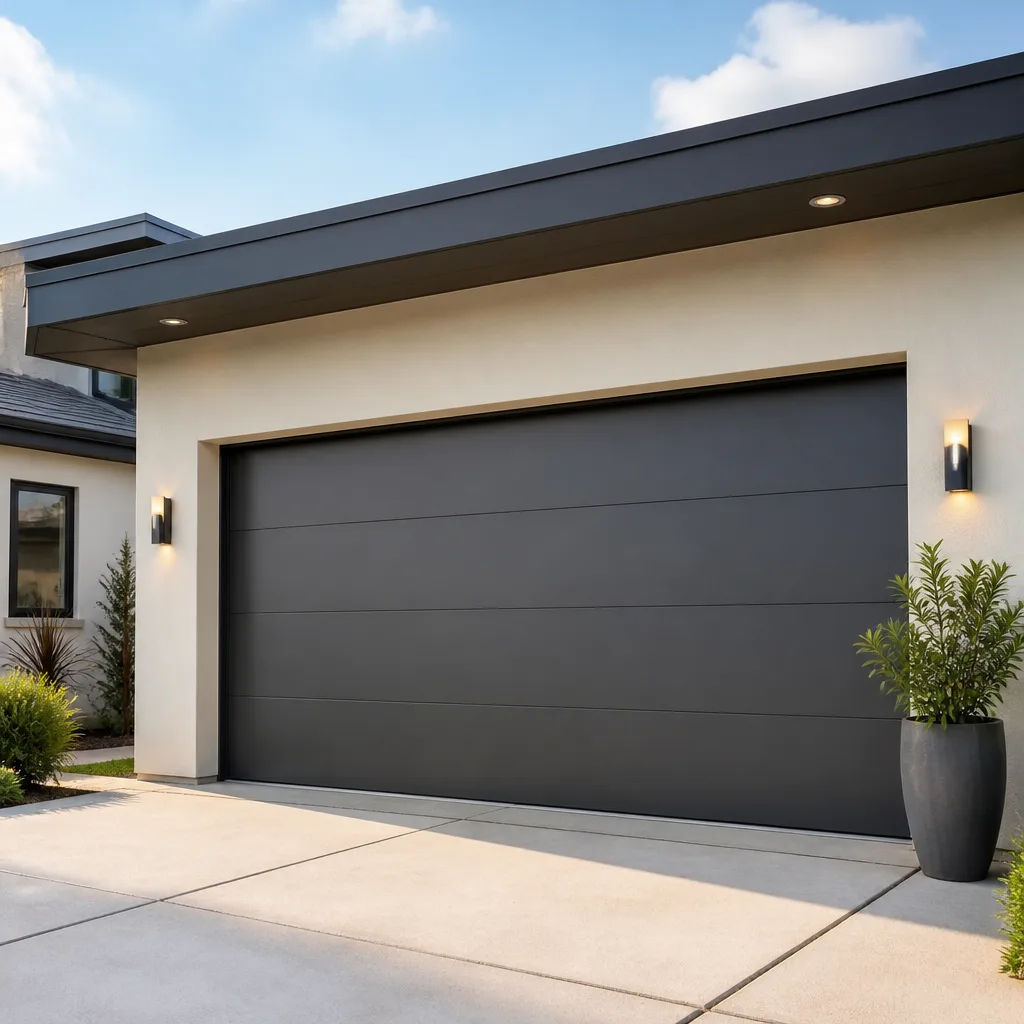 Modern flush
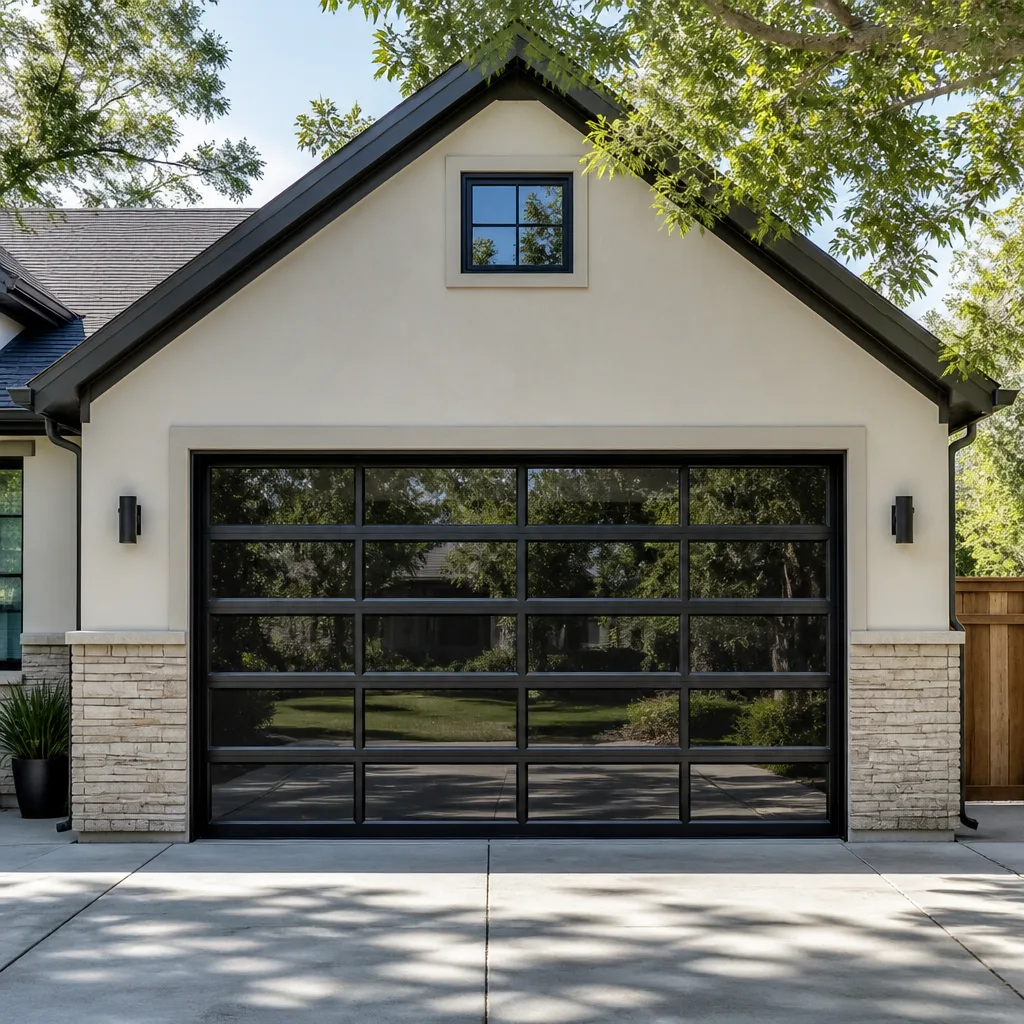 Full-view glass
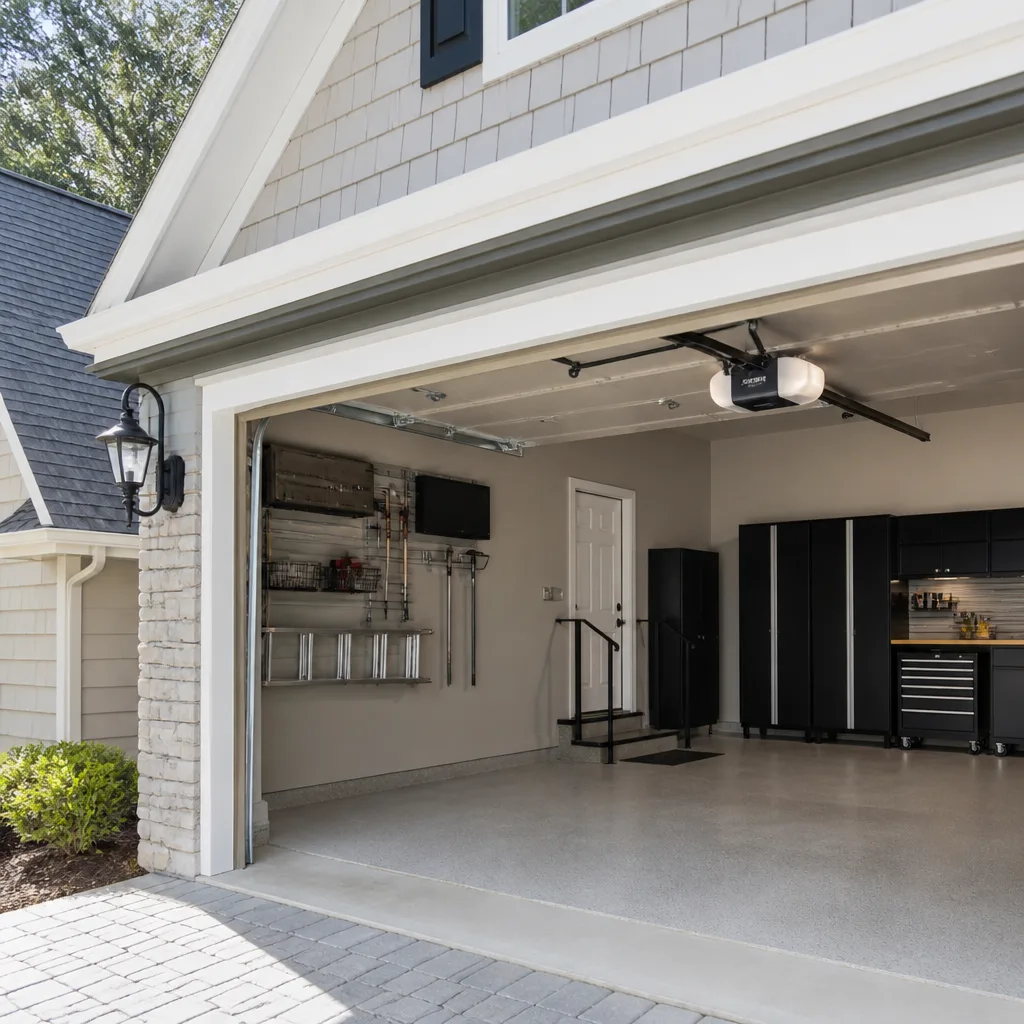 LiftMaster openers
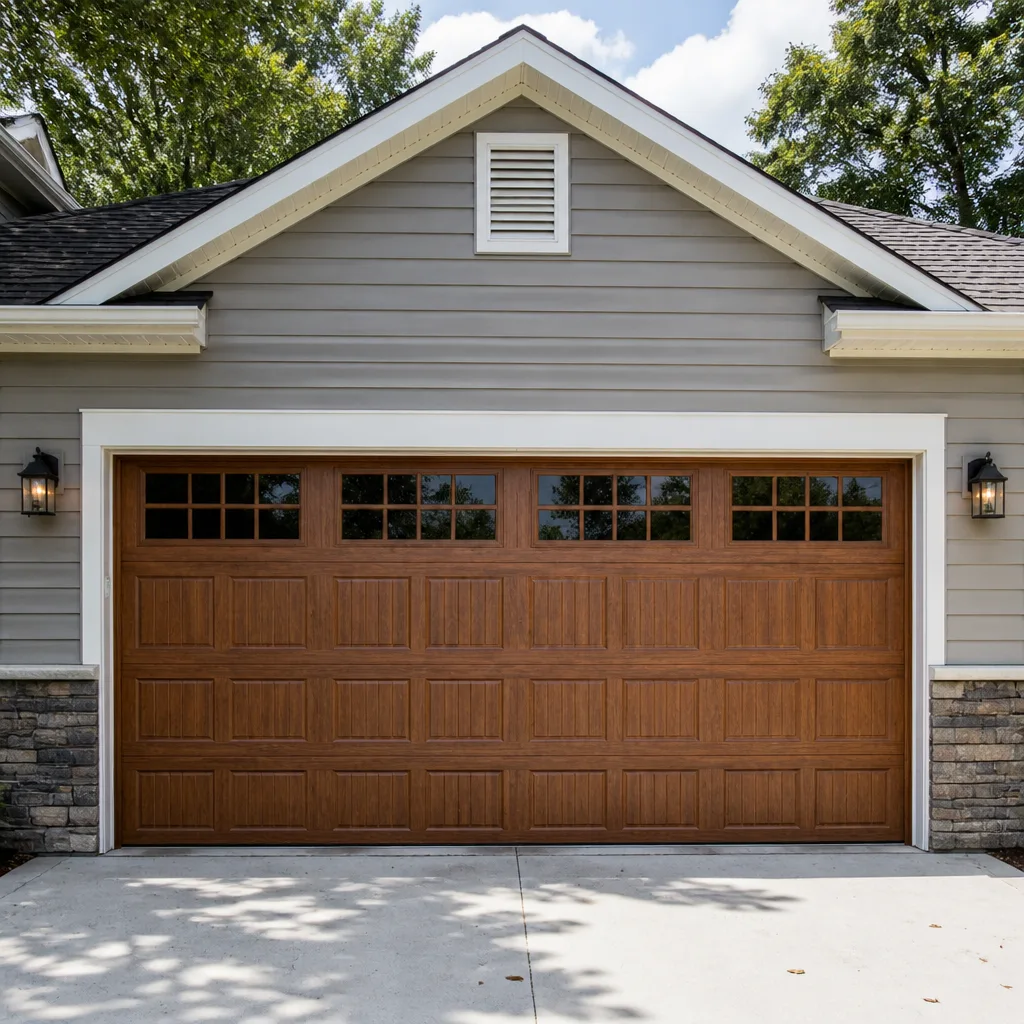 Chamberlain openers
Full 25-point door and opener safety check with every visit - springs, cables, rollers, tracks, and your LiftMaster or Chamberlain opener included
You get a price before we start. It does not change when the pro arrives.
Get your free estimateSeasonal Garage Door Care for Lakewood: Year-Round Homeowner’s Guide
Lakewood‘s March is harder on garage door springs than January. That surprises most homeowners, who assume the coldest month is the most punishing. It isn’t. What wears metal out faster than sustained cold is the daily freeze-thaw cycle that settles in across late winter here, when a spring can contract overnight and expand by afternoon, day after day, for weeks. That cycling does more cumulative fatigue than a single deep cold snap ever will.
This guide is built around what actually breaks when in Lakewood, not a tidy four-season checklist that treats every month the same. You’ll learn the fall prep tasks ordered by failure probability, what cold does to lubricants below 20°F, how to assess winter damage systematically in spring, and why altitude speeds up UV damage on your door panels in summer. Mention Lakewood once more here so the local frame is set: the mile-high climate drives nearly every recommendation below.
Quick Answer
Seasonal garage door maintenance in Lakewood, CO follows a front-loaded calendar: the heaviest work happens in fall prep and spring recovery, with summer UV and winter cold snaps doing the real damage in between. Prioritize bottom seal and weatherstripping in fall, watch lubricants and cable tension in winter, inspect track alignment and roller wear in spring, and check vinyl and composite panels for UV cracking in summer. Most of what fails on a Lakewood door fails because one skipped task in the prior season set it up.
Styles & brands we work with
- Raised-panel steel
- Carriage house
- Modern flush
- Full-view glass
- LiftMaster openers
- Chamberlain openers
Table of Contents
- The Fall Pre-Winter Checklist, Ordered by Failure Probability
- Winter: What Cold Actually Does to Lubricants and Metal
- Spring Recovery: Assessing What Winter Left Behind
- Summer at Altitude: UV Damage on Vinyl and Composite Panels
- The One Task Each Season Homeowners Skip Most
- Choosing Lubricants That Hold Up at Lakewood’s Altitude and Cold
- Neighborhood Notes: What We See Across Lakewood
- What a Professional Tune-Up Actually Covers
The Fall Pre-Winter Checklist, Ordered by Failure Probability
Fall is when the work you do (or skip) sets the tone for the next six months. Most seasonal guides hand you a checklist with no order, which means homeowners do the easy cosmetic tasks and never get to the ones that fail first. Here’s ours ordered by how likely each item is to cause a real problem if you leave it. In our experience across Lakewood, the top three items on this list account for the large majority of winter service calls.
- Bottom seal and weatherstripping. The rubber seal along the bottom of the door and the strips around the frame keep cold air, snowmelt, and moisture out. If yours is cracked or flattened, it needs replacing before the first hard freeze. A failed seal lets water in, and water in the tracks is what starts the freeze-thaw problem.
- Cables. Inspect the cables that run alongside the springs for fraying, kinks, or rust. Cables under tension are a genuine hazard, so eyeball them from a safe distance and never touch a frayed cable. If one looks bad, it’s a professional call.
- Track alignment. Check that the vertical and horizontal tracks are straight and that the door sits evenly. A door that binds slightly in fall will bind hard once the ground freezes and the frame shifts.
- Lubrication. Apply a cold-rated lubricant to rollers, hinges, and the torsion bar bearings before winter. More on which products hold up in the altitude section below.
- Roller condition. Nylon rollers last significantly longer than steel, which rusts and flattens. Fall is when you want to spot a worn roller, not after it’s grinding through winter.
- Safety reverse test. Test that the door reverses when it meets an obstruction. This is a two-minute check that protects the people and pets in your household.
Two things to keep in mind about Lakewood specifically. First, the ground freeze here locks the door frame in place for the season, so any alignment problem you don’t fix in fall gets worse and harder to correct by spring. Second, our late-fall temperature swings mean the seal is doing work uphill from day one, so it’s the highest-value item on the list.
Winter: What Cold Actually Does to Lubricants and Metal
Below about 20°F, standard garage door lubricants begin to thicken. That seems harmless until you realize the whole system depends on smooth, low-friction motion. A lubricant that gums up in the cold turns your roller and hinge movement into grinding, which wears parts and stresses the opener. The metal, meanwhile, contracts in the cold and expands when the temperature climbs back up during a warm afternoon, and that daily expansion and contraction is what fatigues springs and loosens fittings over a winter.
What you can watch for during winter without touching anything dangerous:
- Noise change. A door that gets noticeably louder in cold weather is telling you the lubricant has thickened or the rollers have stiffened. Note when it happens and mention it to a technician.
- Slower or jerky motion. If the door hesitates on the way up or down in cold weather, the opener is straining against extra friction. Reduced travel speed needs attention because it stresses the whole opener mechanism.
- Frost or ice at the bottom seal. Ice building up at the threshold is a sign the seal isn’t sealing, and it’s the entry point for the freeze-thaw cycle that drives spring fatigue. This is why Lakewood’s late winter does more cumulative damage to springs than deep January cold does.
- Visual cable and spring check from a distance. Look for gaps, sag, or rust. Do not attempt to adjust or touch the springs or the cables attached to them.
One thing worth stating plainly: garage door springs and cables are under extreme tension and are the most dangerous parts of the system. A wound torsion spring or a stretched extension spring can cause serious injury if it’s mishandled or if you try to adjust it yourself. We handle spring work because it needs the right tools and the right knowledge. If something looks off with yours, that’s a call to a trained technician, not a weekend project.
If the door or opener fails outright in winter, that’s where our garage door repair service comes in. The team diagnoses the actual failure rather than assuming replacement, which matters most in winter when you want the door working again quickly.
Spring Recovery: Assessing What Winter Left Behind
By the time the ground thaws, a Lakewood garage door has been through a season of freeze-thaw cycling. Spring is when you find out what that did to the system. This is the assessment season, and it’s where a systematic pass pays off. Here’s how we recommend walking through it, in order:
- Track alignment. Freeze-thaw shifts the slab and the frame, and the tracks can fall slightly out of true. Look for a door that sits unevenly at the bottom or rubs on one side. Misaligned tracks wear rollers fast.
- Roller wear. Winter is hard on rollers. Inspect each one for flat spots, cracks, or grinding. Steel rollers that got wet and cold are the most likely to be worn.
- Cable fraying. Winter moisture and freezing can rust and fray cables. A frayed cable is a safety issue and needs professional replacement, not a spot repair.
- Spring condition. Listen for a loud bang from the garage, or a door that suddenly feels very heavy or won’t lift. A broken spring is the classic winter-to-spring failure. Springs are dangerous to handle, so this one is always a call for a pro. Our Lakewood Garage Door Repair Co team treats spring repair as a dedicated service for exactly this reason.
- Bottom seal and weatherstripping again. The seal you replaced in fall may have taken a beating. A quick check now prevents the same freeze-thaw problem next winter.
- Opener response. Test the safety reverse and listen for strain. If the opener is working harder than it did in fall, it may be fighting worn rollers or a misaligned track, which is an opener problem. Our garage door opener repair specialists can sort out whether it’s the opener or the door.
The reason the order matters is that a single worn roller can masquerade as a bad opener, and a misaligned track can look like a spring problem. Diagnosis first, recommendation second. Fixing the cheap thing first, and only replacing what actually failed, is the repair-first approach that extends the life of the door you already have.
Summer at Altitude: UV Damage on Vinyl and Composite Panels
Lakewood sits at high altitude, and that matters for your garage door in summer. UV intensity climbs with elevation, so vinyl and composite door panels, and the plastic parts on openers and rollers, take a stronger UV hit here than they would at sea level. Over a few summers, that exposure shows up as:
- Chalking and fading on vinyl and composite panels, which is cosmetic at first but signals the surface is breaking down.
- Brittleness in plastic components like the opener’s plastic gears, the light lens covers, and the rollers. Brittle plastic cracks under stress.
- Cracking at panel joints where the surface has dried and shrunk. Small cracks let moisture in, which is bad news once winter returns.
- Warping on lighter-colored panels that absorb more heat.
What can you treat versus replace? Fading and light chalking on vinyl and composite panels can often be slowed with a UV-resistant protective coating or a fresh coat of paint rated for exterior use, and it’s worth doing before the surface gets brittle. The panels themselves can often stay. Cracking that’s gone structural, or panels that have warped enough that the door doesn’t seal, are usually a replacement case for those panels. If you have a Clopay or Amarr door, our technicians work on those systems directly and can tell you whether a panel swap is sensible or whether the whole door is closer to the end of its service life.
One note: summer is also the season to check the opener’s light and the door’s weather seal before the fall prep cycle starts, because it’s the easiest time to do it. If you’re planning anything more involved than a panel, this is when to schedule a free measure and written price for a new door rather than waiting for fall, since garage door installation is measured, ordered, and scheduled work rather than something done in an afternoon.
The One Task Each Season Homeowners Skip Most
For each season, there’s one task homeowners skip most consistently, and in every case it’s the one that costs them the following season. Understanding why a task matters mechanically is the best way to stop skipping it.
- Fall: the bottom seal. People skip it because it looks cosmetic. Mechanically, the bottom seal is the moisture barrier. Water that gets past it pools in the tracks, freezes, and expands, and that’s what starts the freeze-thaw cycle that fatigues springs. Skipping the seal costs you spring life, not just comfort.
- Winter: cold-rated lubrication. People skip it because they think of lubrication as a summer task. Below 20°F, the wrong lubricant thickens and turns rollers and hinges into a grinding mechanism. The friction wears parts and strains the opener. Skipping it wears out two systems at once, which is why the altitude section below matters.
- Spring: the full roller inspection. People skip it because they test whether the door opens and call it good if it does. Rollers don’t fail all at once; they wear gradually until one flattens and stops rolling, and then the door binds and the opener strains. By the time it’s obvious, the repair is bigger.
- Summer: UV protection on panels. People skip it because fading looks like aging. Mechanically, a UV-degraded surface dries, cracks, and lets moisture into the panel and the joints. That moisture is what cracks open further once winter’s freeze-thaw hits. Treating the surface in summer protects the door through winter.
There’s a pattern here: every skipped task feeds the next season’s problem. Seal failures feed spring fatigue, worn rollers feed opener strain, and untreated UV damage feeds winter freeze-thaw cracking. The Lakewood climate doesn’t give much room to skip a step.
Choosing Lubricants That Hold Up at Lakewood’s Altitude and Cold
Altitude and cold change how lubricants perform, and the product that works in a mild climate can fail here. As a general rule, you want a lubricant that stays smooth below 20°F and doesn’t gum up in cold weather. A silicone-based or lithium-complex grease rated for low temperatures holds up better than a standard light oil. A petroleum jelly or heavy grease that flows fine in summer can become too stiff in winter to do its job, which does more harm than good.
Where you apply it matters as much as what you use. Rollers, hinges, and the torsion bar bearings are the parts that need it; the tracks should be kept clean and lightly treated, not greased. A common mistake is over-lubricating the tracks, which attracts dust and grime that wear the rollers faster. Here in Lakewood, where the air is dry and dusty, that grime problem is real, so less is better on the tracks.
Springs themselves should not be your project. A torsion spring is under such high tension that lubricating or adjusting it is a job for someone with the right tools and experience. Our technicians have up to 15 years of experience and handle spring work routinely, which is also why we treat spring repair as its own service rather than a task folded into general repair.
Neighborhood Notes: What We See Across Lakewood
Lakewood is a big place, and the door-care picture shifts block to block. We’re writing from the company’s home base in Lakewood, so this is what actually comes up in the neighborhoods we know.
In the older neighborhoods near Belmar and the areas close to the downtown core, many homes have doors that are decades old, and the failures tend to be worn rollers, aged springs, and seals that haven’t been replaced in years. Repair-first work makes the most sense there, because the door still has life left and a full replacement isn’t the answer. Heading west toward Green Mountain and the neighborhoods along Alameda, the housing stock is more mixed, with a lot of mid-life doors and openers where the seasonal checklist catches problems before they turn into failures.
In the newer construction toward the east side of Lakewood, near the Federal Center area and the neighborhoods closer to the Lakewood Commons, doors and openers are newer, and the seasonal work is more about UV protection and keeping the cold-rated lubrication up. Even in those homes, the freeze-thaw cycling that starts in late winter is what drives spring fatigue, so the fall and spring checks still matter.
What ties all these together is that the door system fails in a predictable sequence if you skip the checklist: the seal gives first, then the tracks drift, then the rollers wear, then the springs fatigue, then the opener strains. The earlier you catch it, the smaller the repair. That’s the whole case for seasonal care, and it’s the same story across Lakewood, just at different points on the clock depending on the age of the door.
What a Professional Tune-Up Actually Covers
A professional seasonal visit is not a sales pitch disguised as maintenance. Done well, it’s a specific list of checks and adjustments, and it should be explained to you before any work is done. Here’s what ours covers, and what you should expect from any professional tune-up:
- Inspection of springs, cables, and rollers, with a clear report on which are worn and which are fine.
- Track alignment adjustment and a door balance test.
- Lubrication with a cold-rated product suited to Lakewood’s climate.
- Bottom seal and weatherstripping inspection and replacement if needed.
- Opener safety reverse test and a check on opener strain and travel.
- A written, itemized price for any repair, quoted before work starts.
That last point matters. The price for the work is quoted and agreed before any work begins, so there are no surprises after the fact. Diagnosis first, recommendation second, and a repair-first inclination; we’re not going to tell you to replace a door that just needs a seal and a roller. With parts on hand rather than on order, we can also avoid the return-visit delay that plagues repair-only shops. And because our technicians work on 8 major brands, including Clopay, Amarr, Wayne Dalton, Craftsman, and more, they diagnose and fix the system you already own rather than steering you toward a new one.
If you’re not sure whether your door needs a tune-up or a repair, the honest answer is often “let’s look.” A free estimate in Lakewood is the fastest way to know.
Common Mistakes to Avoid
- Skipping the bottom seal because it looks cosmetic. It’s the moisture barrier, and a failed seal lets water into the tracks where freeze-thaw does the real damage. Replace it in fall before the ground freezes.
- Over-lubricating the tracks. Grease on the tracks attracts the dry, dusty air Lakewood is known for, and that grime wears rollers faster. Keep tracks clean and lightly treated, not slathered.
- Assuming January is the worst month for springs. Late winter’s daily freeze-thaw cycling does more cumulative metal fatigue than sustained cold, so your spring check belongs in spring recovery, not just at the start of winter.
- Testing the door and calling it good if it opens. A door that opens can still have worn rollers, a frayed cable, and a fatigued spring. The full spring inspection is the skipped task that costs you later.
- Treating UV fading as purely cosmetic. At altitude, UV breaks down vinyl and composite panels, and the cracks that follow let moisture in that feeds winter damage. Treat or protect the panels in summer.
- Touching springs or cables yourself. These are under extreme tension. An adjustment that looks simple can cause serious injury. This is a trained-technician job, full stop.
- Waiting for a full failure before calling. A grinding roller or a door that’s hard to close is the cheaper repair. The longer you wait, the more of the system wears as a consequence, including the opener.
See the difference
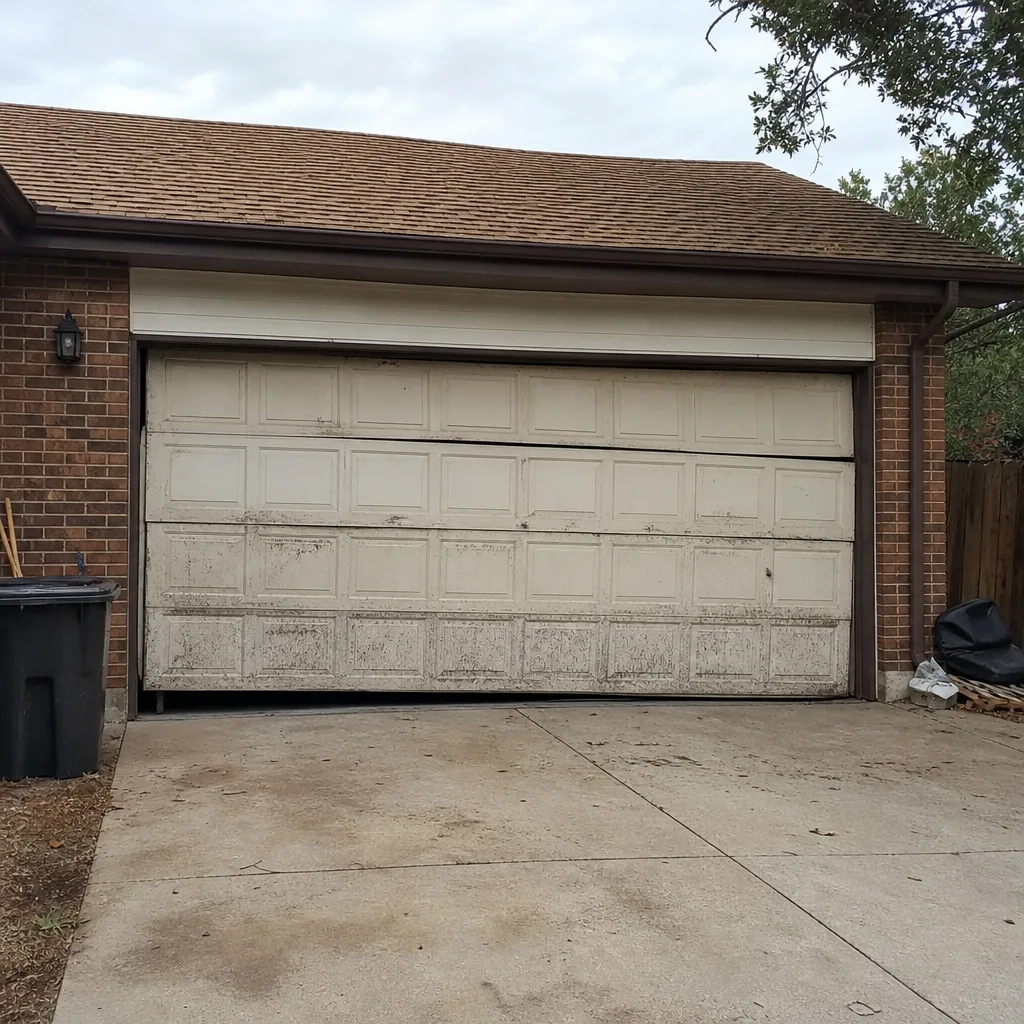 Before
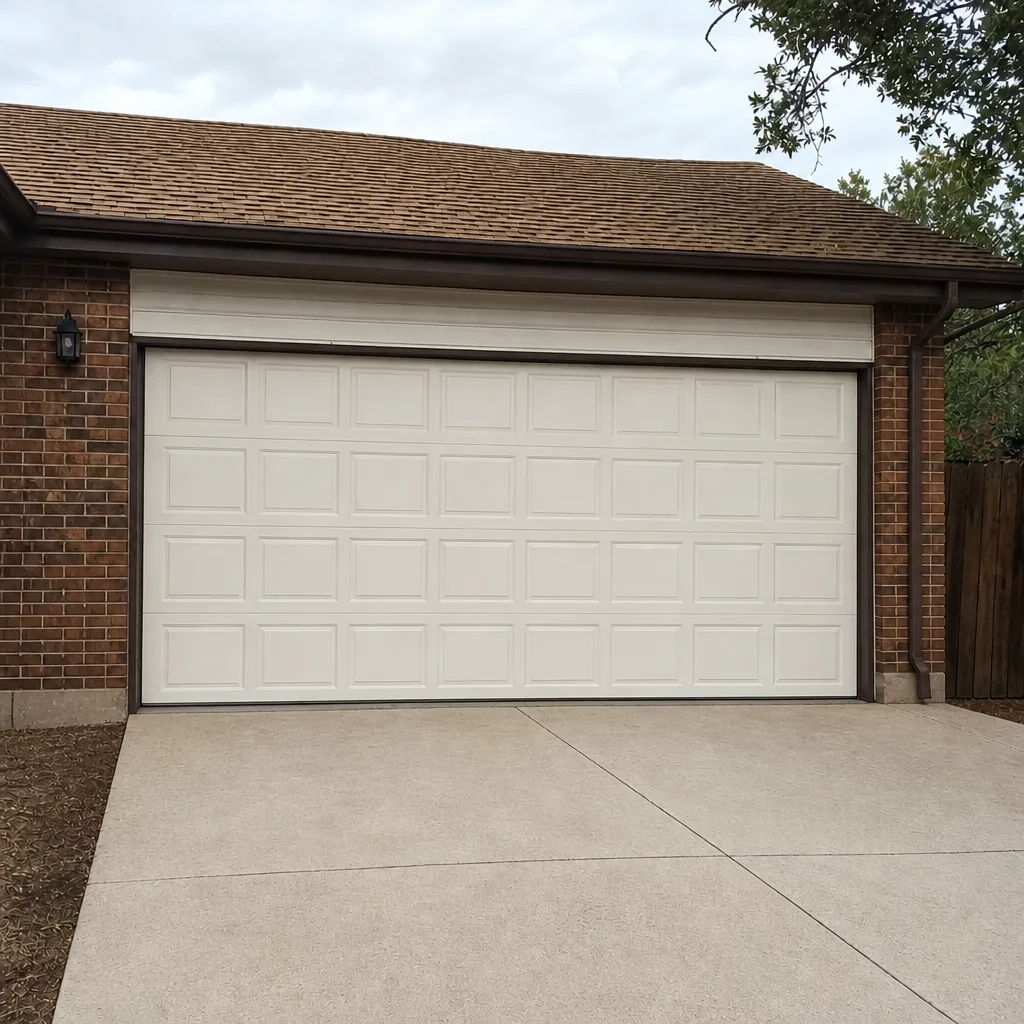 After
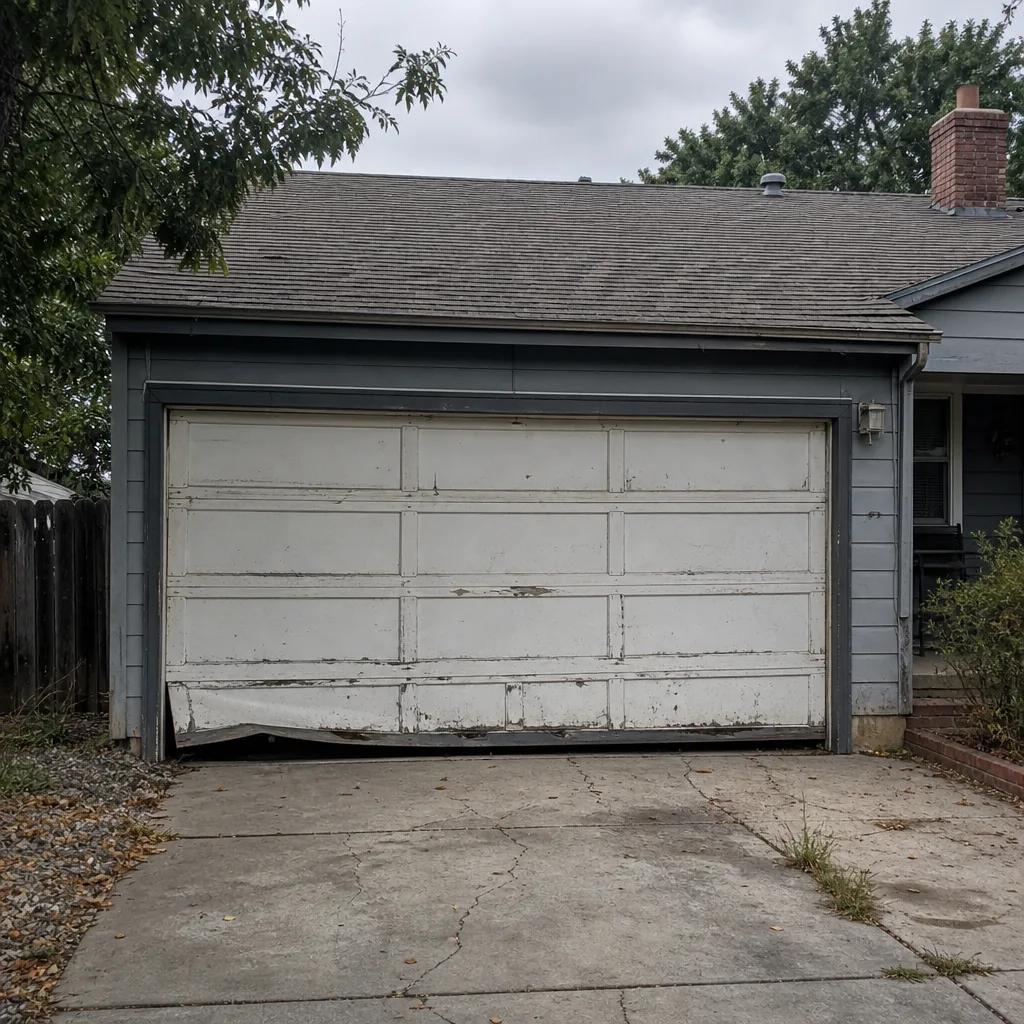 Before
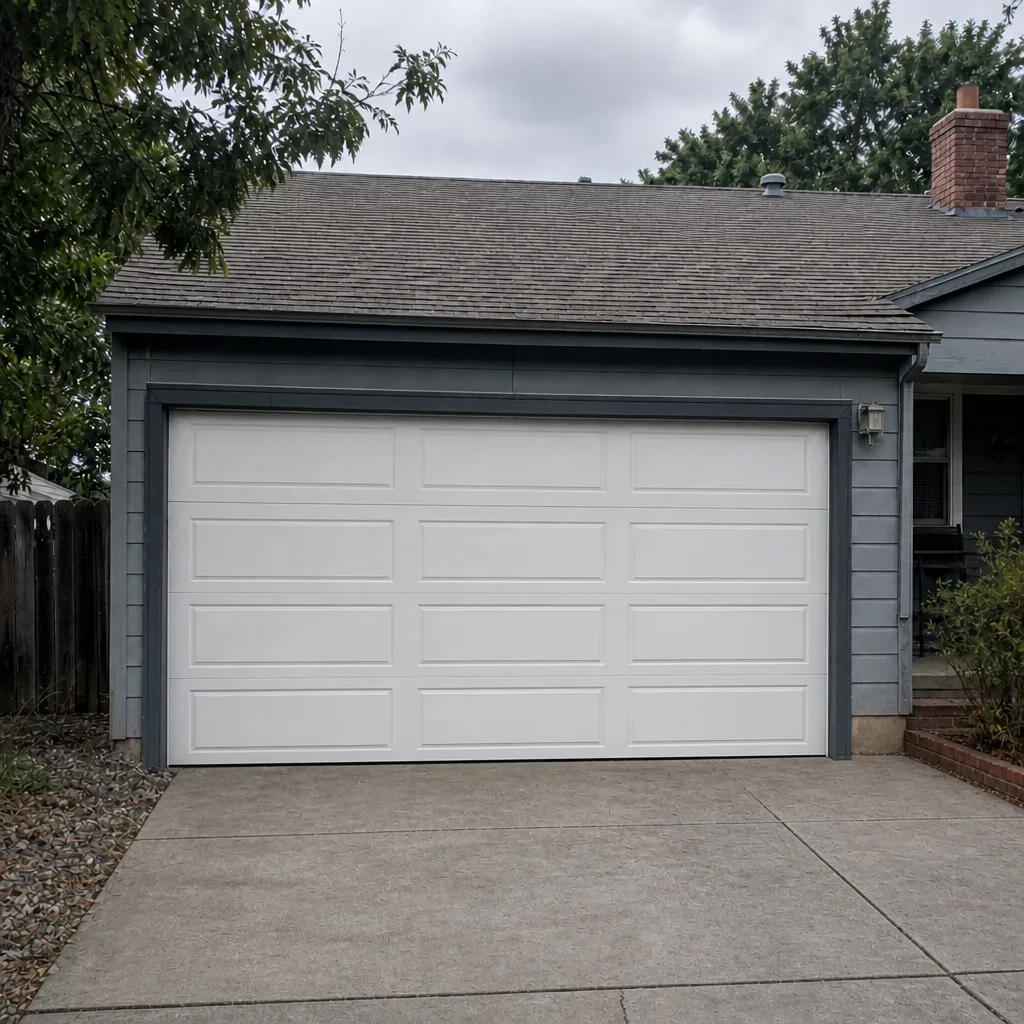 After
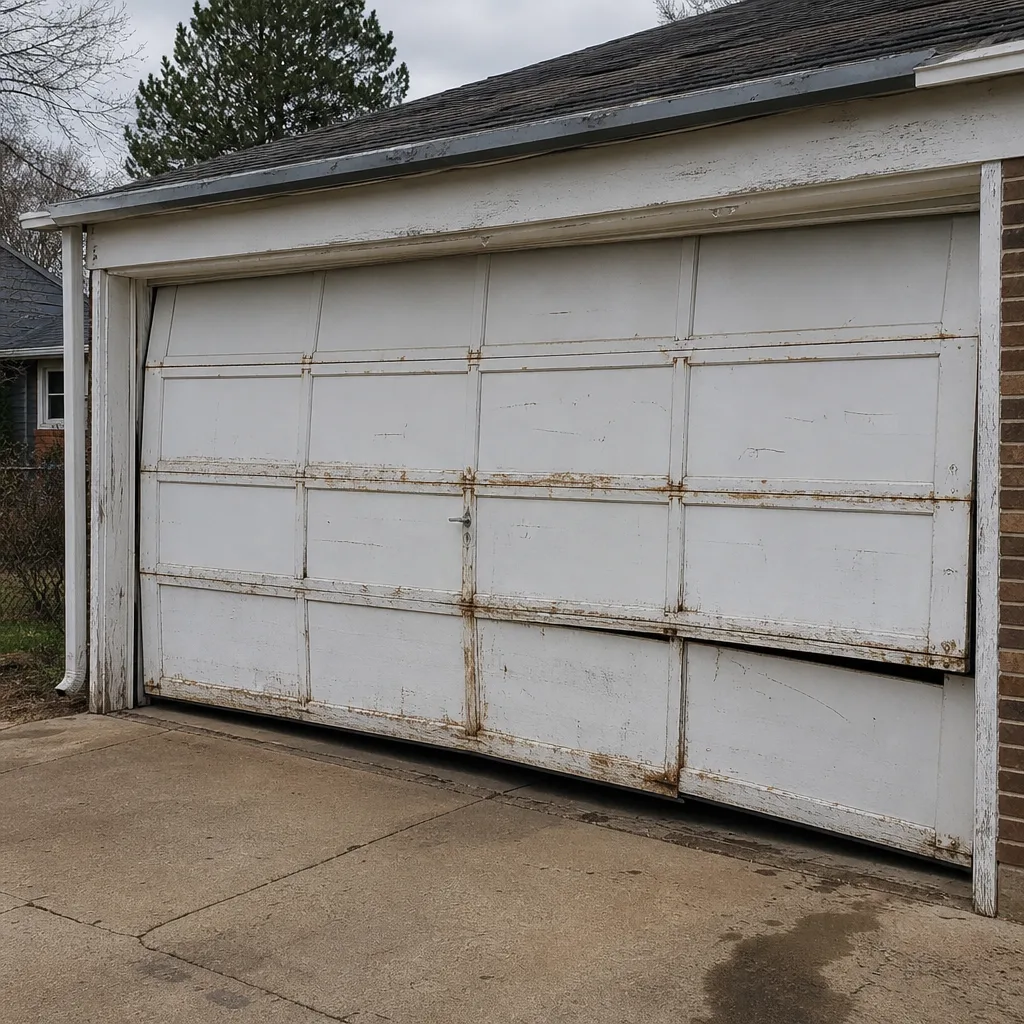 Before
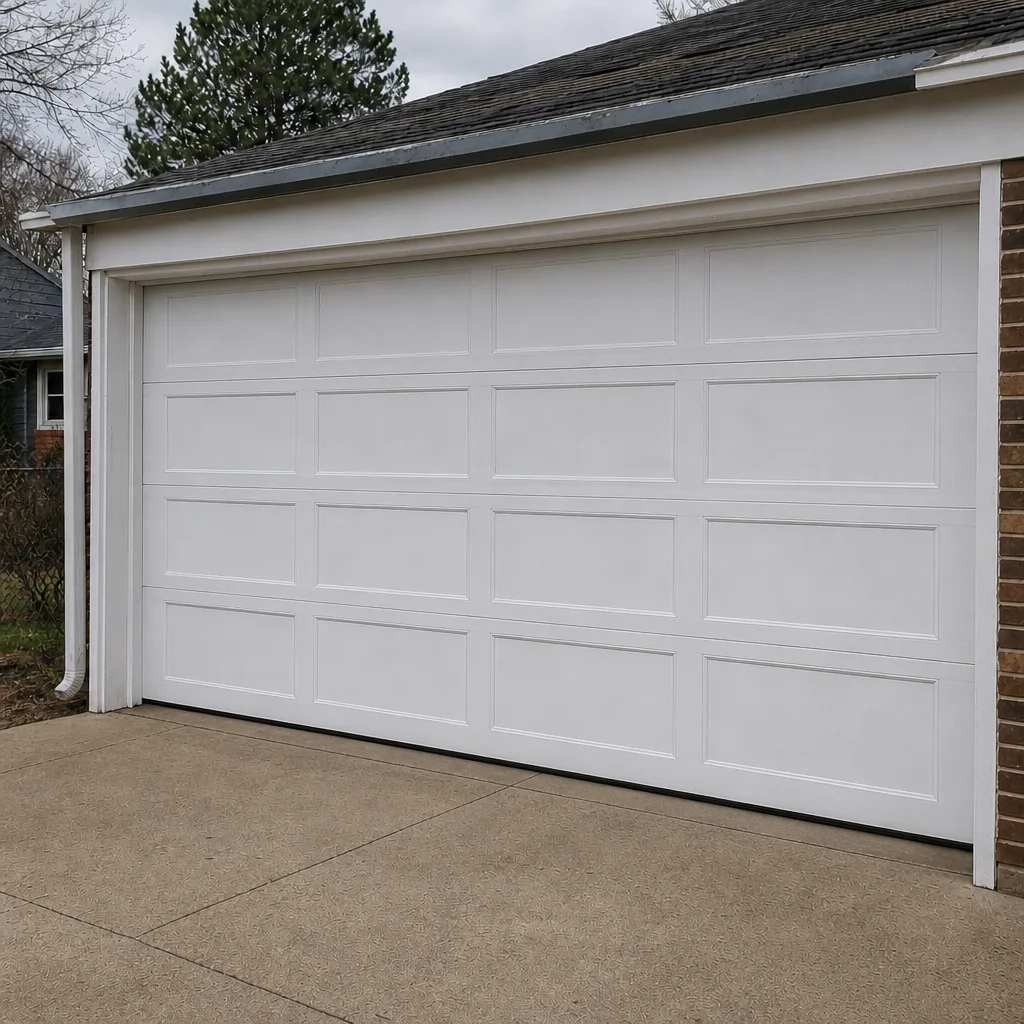 After
When to Call a Professional
Some tasks are for the homeowner, and some are for a trained technician. Call us if you hear a loud bang from the garage, if the door suddenly feels very heavy, if it won’t open or close evenly, if you see a frayed cable, or if the opener strains or reverses on its own. A broken spring, a snapped cable, a door off its tracks, and a failing opener are all professional calls. Loose hardware, worn rollers, and a failed seal are also worth a professional look if you’re not sure what you’re seeing.
Lakewood Garage Door Repair Co offers free estimates in Lakewood. Call (833) 681-3532 and we’ll diagnose the issue, quote a written price before any work, and fix what actually broke. Our technicians have up to 15 years of experience, and we work on the door you have.
Frequently Asked Questions
Once a year is a good baseline, but the timing matters more than the frequency in Lakewood’s climate. Aim for a fall visit to prep for winter and a spring check to assess freeze-thaw damage. If your door is older or gets heavy daily use, twice a year is worth it. Call (833) 681-3532 for a free estimate and a recommendation specific to your door.
Because daily freeze-thaw cycling does more cumulative metal fatigue than sustained cold. Each warm afternoon and cold night expands and contracts the spring, and the repeated cycling over weeks wears the metal faster than one long cold snap. That’s why Lakewood springs tend to fail in March more than January. If you hear a bang or the door feels heavy, call (833) 681-3532.
The bottom seal and weatherstripping. It’s the moisture barrier, and a failed seal lets water into the tracks where it freezes and expands. Replacing it before the ground freezes is the highest-value fall task. Call (833) 681-3532 if you’re not sure yours needs replacing.
No. Springs are under extreme tension and are the most dangerous part of the system. A wound torsion spring can cause serious injury if mishandled, so spring lubrication and adjustment is a trained-technician job. Our team handles spring work routinely and can quote a repair if yours is failing. Call (833) 681-3532.
Often repair is enough, and a good technician will tell you so. Worn rollers, a failed seal, a misaligned track, and a tired opener are all fixable; the door itself may have years left. We diagnose first and recommend second, so you’re not pushed toward a replacement you don’t need. Call (833) 681-3532 for a free estimate.
Yes. Higher UV intensity at altitude speeds up fading and breakdown on vinyl and composite panels, and it hardens plastic components like rollers and opener gears faster. And the cold here, combined with altitude, means you want a cold-rated lubricant that doesn’t gum up. Call (833) 681-3532 with questions about your door’s condition.
The Bottom Line
Lakewood’s garage door calendar is front-loaded: fall prep and spring recovery carry most of the workload, while summer UV and winter cold do the real damage in between. Prioritize the bottom seal and weatherstripping in fall, watch lubricants and cables in winter, assess tracks, rollers, and springs in spring, and protect vinyl and composite panels from altitude UV in summer. The one task you skip each season is the one that costs you the next. Springs are the highest-risk component and always a professional job. If you’d rather have it handled, call Lakewood Garage Door Repair Co at (833) 681-3532 for a free estimate.
Written by the team at Lakewood Garage Door Repair Co.