Last updated November 20, 2026
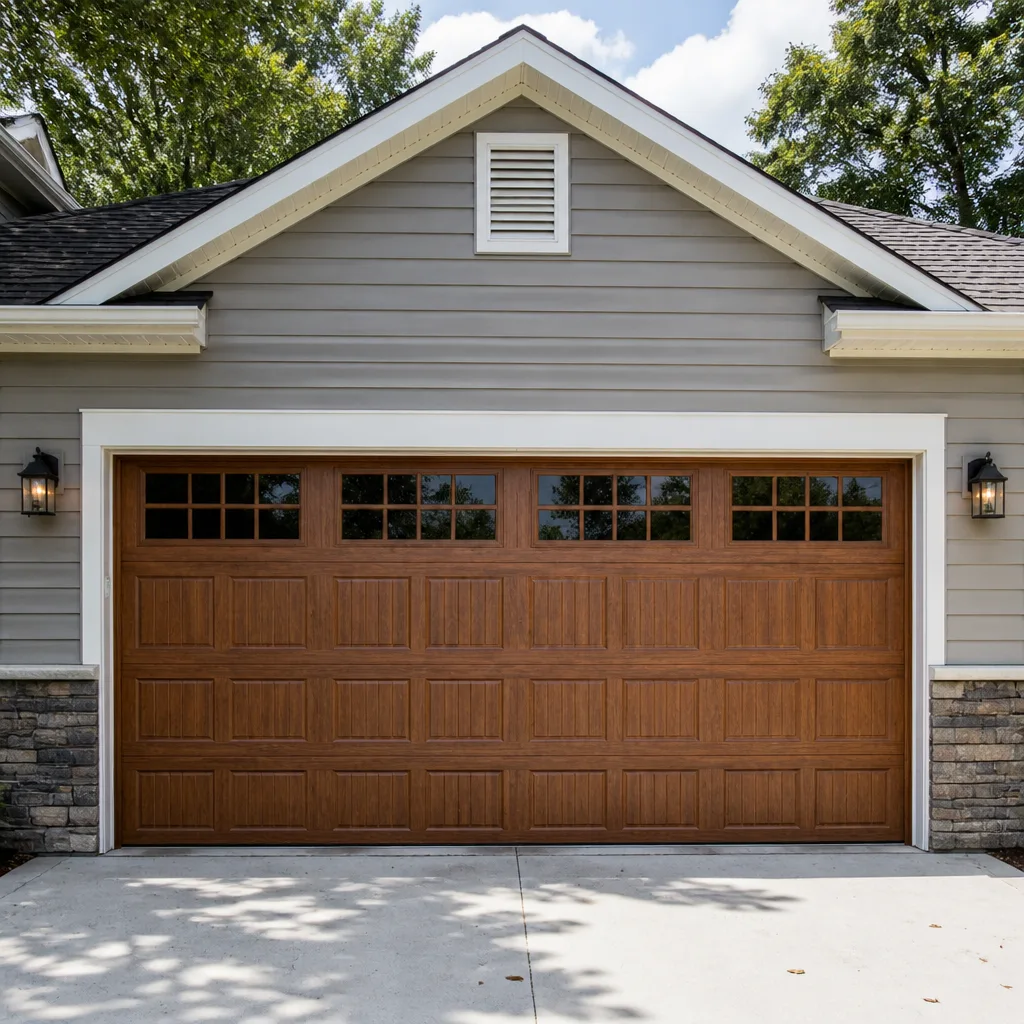
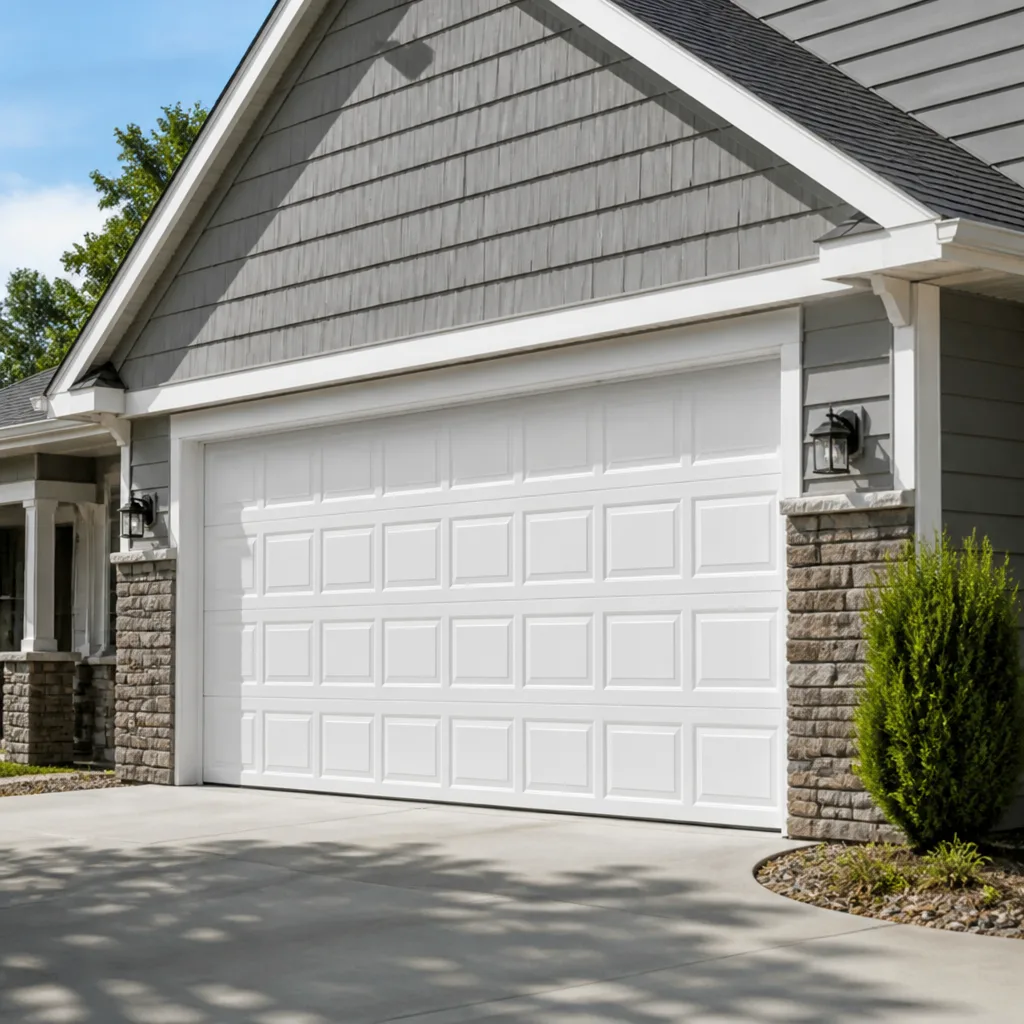 Raised-panel steel
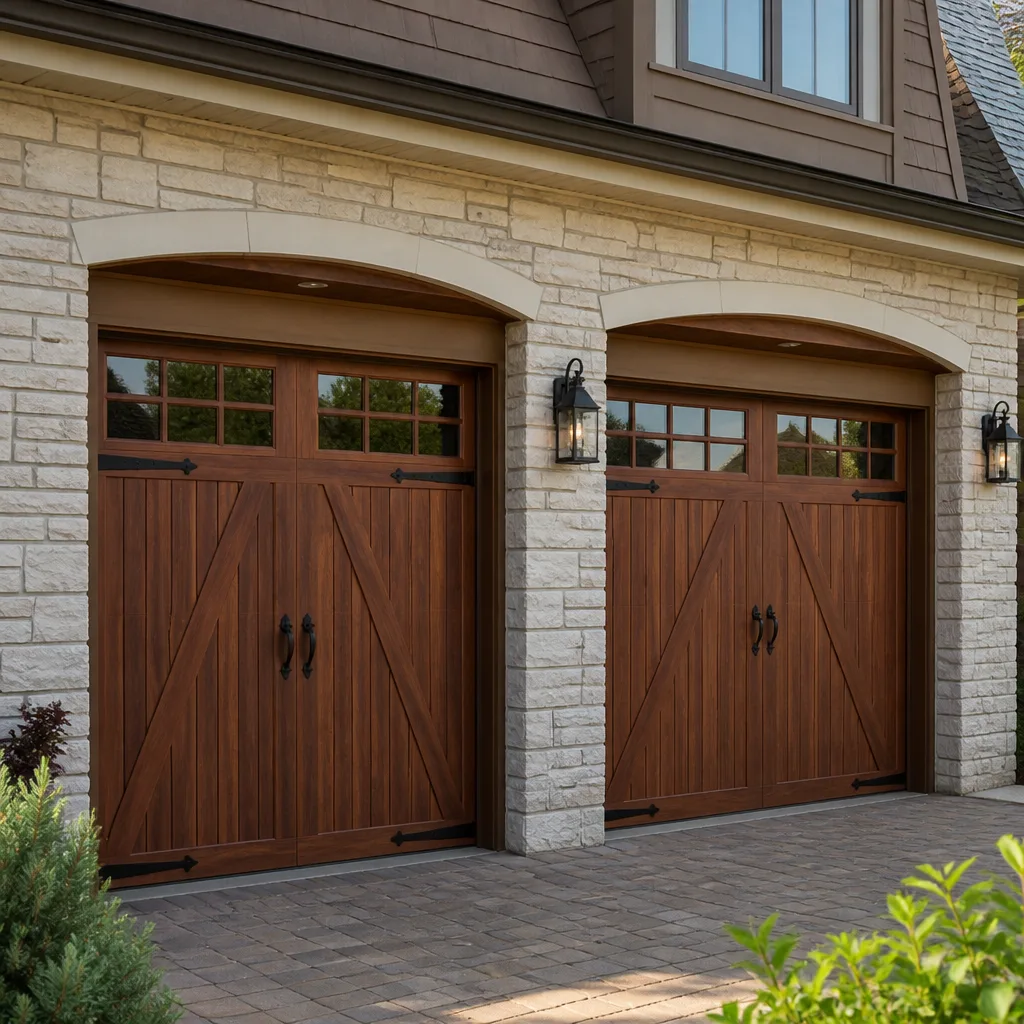 Carriage house
 Modern flush
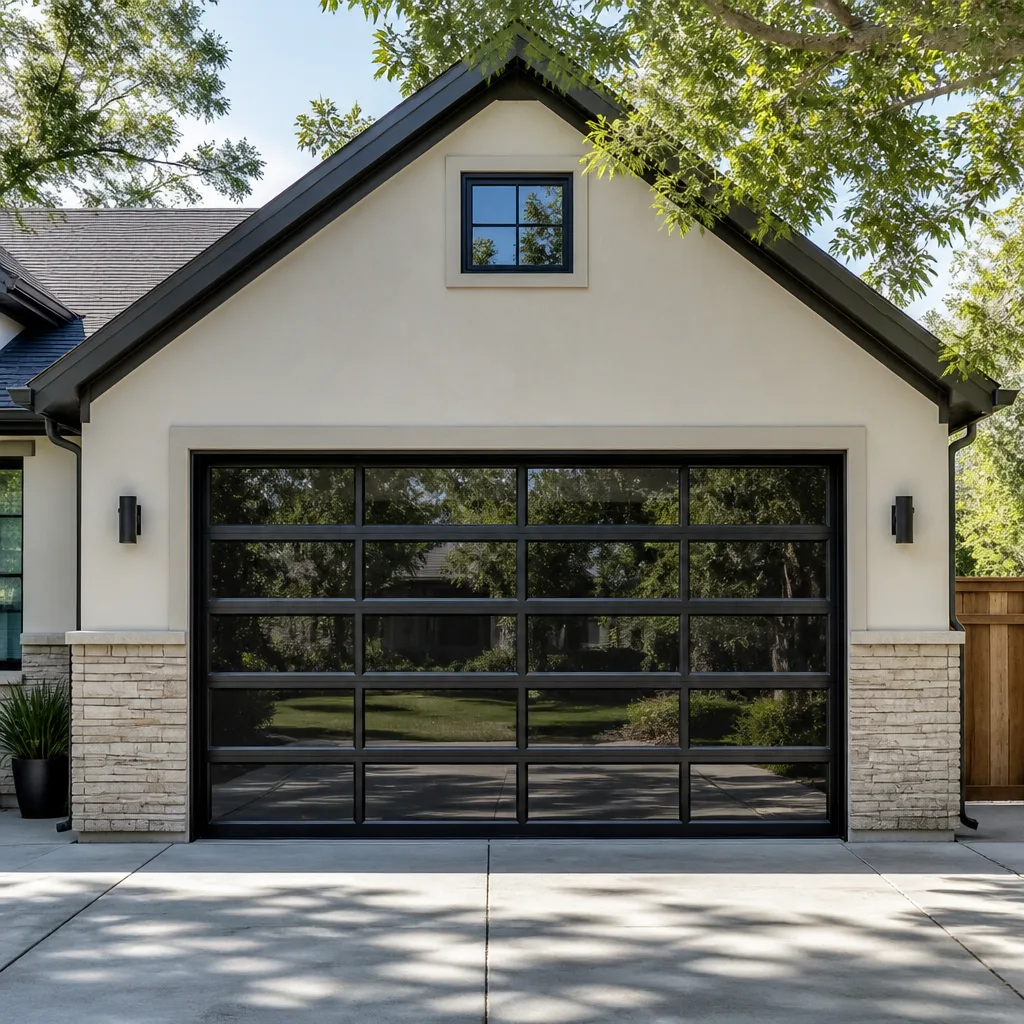 Full-view glass
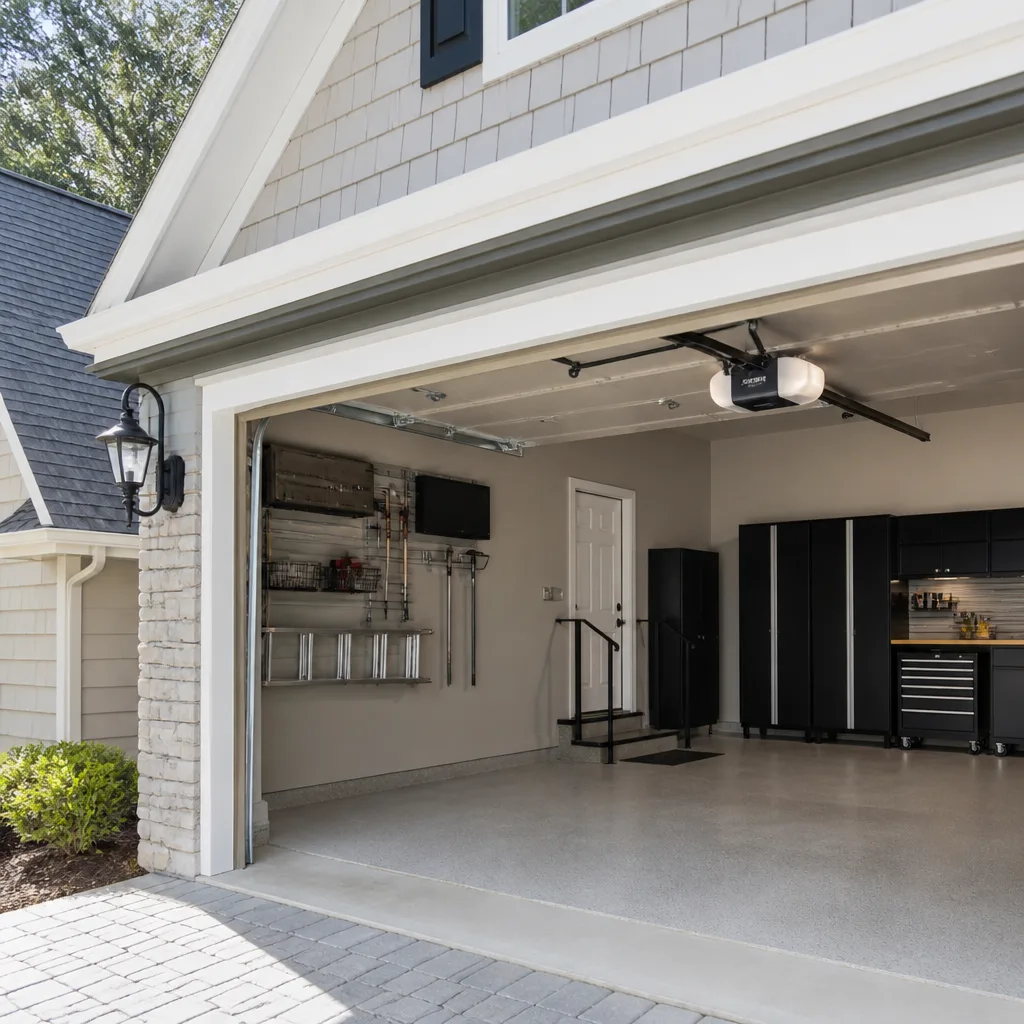 LiftMaster openers
 Chamberlain openers
Full 25-point door and opener safety check with every visit - springs, cables, rollers, tracks, and your LiftMaster or Chamberlain opener included
You get a price before we start. It does not change when the pro arrives.
Get your free estimateHow to Hire a Garage Door Contractor in Lakewood: A Step-by-Step Guide
A garage door contractor can operate legally in Colorado holding a general contractor’s license that required no garage-door-specific training at all. That’s the counterintuitive part most homeowners never hear. The license on the invoice tells you the contractor met the state’s basic bar for construction work; it says nothing about whether they’ve ever set a torsion spring, matched a drum to a cable, or diagnosed an opener that trips its own safety reverse. Hiring wrong costs more than hiring right, and the gap rarely shows up on the quote itself. In this guide we’ll walk through the questions and verification steps that separate a real garage door specialist from a handyman with a parts account. We’ll cover the Colorado licensing reality, the multi-brand test, how to read a quote line by line, and the red flags that should stop you before money changes hands in Lakewood.
Quick Answer
To hire a garage door contractor in Lakewood, verify three things before you book: that they service multiple brands (not just one dealer line), that they’ll put a written quote and warranty in front of you before any work starts, and that they can explain how they diagnose a door rather than jumping straight to replacement. A general contractor’s license alone doesn’t prove garage-door competence, so ask specifically which opener brands and door manufacturers they work on and whether spring repair is a dedicated service or an afterthought. The right contractor gives you a diagnosis first and a recommendation second.
Styles & brands we work with
- Raised-panel steel
- Carriage house
- Modern flush
- Full-view glass
- LiftMaster openers
- Chamberlain openers
Table of Contents
- What Credentials Actually Matter for Garage Door Work in Lakewood?
- The Multi-Brand Test: What Their Brand List Reveals
- How to Read a Garage Door Quote Line by Line
- What a Legitimate Service Call Should Include
- Parts and Labor Warranties: What to Ask For
- Red Flags Specific to Garage Door Work
- Repair vs. Replace: How to Tell When You’re Being Pushed
- Local Context: Why Lakewood Hiring Isn’t Like Anywhere Else
What Credentials Actually Matter for Garage Door Work in Lakewood?
Colorado doesn’t issue a garage-door-specific contractor license. Garage door companies operate under general contractor licensing rules, and that general license doesn’t guarantee anyone on the crew has been trained on torsion springs, cable tension, or opener logic boards. The license tells you a company cleared a minimum bar for construction work. It doesn’t tell you whether their technician has spent years on doors or weeks. That distinction is yours to probe.
What you should ask for instead:
- Proof of general liability insurance. Ask for a certificate of insurance and make sure it’s current. Every local pro we connect you with carries insurance as their state requires.
- Workers’ compensation coverage. A single high-tension spring under load can cause serious injury. If the crew isn’t covered, that exposure can follow you as the homeowner.
- Named brand certifications. Manufacturer training on specific systems (LiftMaster, Chamberlain, Genie, Clopay, Amarr, Wayne Dalton, Craftsman, and Raynor) is a real signal. Ask which of these the company is trained on.
- A specific description of how they handle springs. If “spring repair” isn’t a named service on their site or brochure, they may subcontract it out. Springs are the most dangerous part of any garage door system, and you want a technician who does them routinely.
- Written estimates with a warranty clause. This covers parts and labor separately. No warranty, no deal.
Ask these questions by phone before you book. A qualified Lakewood contractor answers them without hesitation. A company that deflects or gets vague about insurance and brand training is telling you something.
The Multi-Brand Test: What Their Brand List Reveals
Ask a prospective contractor which opener brands and door manufacturers they service. This one question tells you more than any review score. A single-brand answer (“we only do LiftMaster,” or “we only install Clopay”) usually means you’re talking to a dealer whose business model depends on selling you their line, not diagnosing and repairing what you already own. A multi-brand answer tells you the technician reads the system in front of them.
In our experience, a repair-first contractor can name four or five opener brands and several door manufacturers in the same breath because they work on all of them. Door brands matter for parts matching; opener brands matter for programming, logic boards, and safety sensor calibration. A technician who only knows one system will default to that system when they hit something unfamiliar.
Ask follow-up questions that a single-brand dealer can’t answer well:
- Which opener logic boards do you stock, and which do you order?
- Do you reprogram universal remotes on doors you didn’t install?
- Can you repair a LiftMaster logic board without swapping the whole unit?
- What’s your diagnostic approach for an Amarr door that binds differently on one side?
- Do you carry torsion spring parts on a service call or order them in?
The follow-up about parts is where the real answer emerges. Parts availability directly affects whether a repair finishes in one visit or schedules a return. If the company stocks parts (rather than ordering everything from a distributor), you avoid the multi-day delay that repair-only shops live with. We stock parts for the systems we service, which cuts the return trip.
How to Read a Garage Door Quote Line by Line
A well-written quote separates parts from labor. A badly written quote bundles them into one “labor and materials” line, which makes it impossible to compare bids fairly and gives a technician room to adjust the invoice after the work begins. Before you sign, ask for the breakdown. This is the single most useful habit in hiring a contractor.
What a proper quote should break out:
- Parts, itemized. Each component priced separately (torsion spring, cable, drum, roller, hinge, sensor, logic board).
- Labor, as a line. Hourly rate or flat fee, with the number of hours the job is expected to take.
- The specific brand and part number. Not “a spring” or “a sensor” but the actual SKU.
- Warranty terms on parts and labor. Separately stated. Parts warranties come from the manufacturer; labor warranties come from the contractor.
- What’s excluded. If you want the old door hauled away, say so in the quote. If the deck hardware isn’t included, say so.
- A statement that the quoted price is the price. The written estimate sets the final number. Anything outside it should be a written change order.
Watch for bundled pricing that hides the split. “Labor included” sounds convenient until the technician decides the job took twice as long and adds a materials line to cover it. A garage door repair in Lakewood is quoted per job with a written estimate in advance. If the contractor won’t break it out, ask why.
For comparison, a typical torsion spring repair is quoted per spring. A matched pair usually runs about double the single-spring cost because both springs are replaced together. When you get a quote, ask whether the price is for one spring or a pair, and whether the technician recommends replacing both. A contractor who recommends replacing both and shows you why is being honest; one who replaces one without comment is setting you up for a callback.
What a Legitimate Service Call Should Include
A real service call ends with a written diagnosis, a written quote if repair is needed, and a functioning door. A bill for showing up and clicking the remote is not a service call. In Lakewood, we’ve seen enough quotes from other companies to know the difference shows up in how the appointment is structured.
The minimum a service call should include:
- Visual inspection of springs, cables, drums, and hinges. The technician should look, not assume.
- Balance and travel test. Disengage the opener and lift the door by hand. If it doesn’t stay where you put it, the springs are out of balance.
- Safety reverse test. Both the photo-eye and the pressure-reverse. Both should work before the technician leaves.
- Opener diagnostics. Check the motor, logic board, wall control, and remotes if the issue involves the opener.
- Written explanation of findings. What’s broken, what caused it, what fixing it involves, and whether repair or replacement makes more sense.
- A written quote before work starts. The price is quoted and agreed before any work begins. That’s non-negotiable.
If the technician can’t explain what they’re checking and why, that’s a problem. Door diagnostics are not magic. If you’re paying for a service call, you’re paying for a technician’s trained eye, not their ability to hit the remote button.
Parts and Labor Warranties: What to Ask For
Parts carry a manufacturer warranty; labor carries a contractor warranty. Get both in writing before the work starts. This is where the difference between a properly run garage door company and a handyman operation shows up most clearly. A handyman may supply a part with the manufacturer’s warranty and then disappear. A specialist stands behind the labor too.
Ask specifically:
- How long is the labor warranty? A spring that fails two weeks after installation should be a callback, not a new invoice.
- What’s covered under the parts warranty? Manufacturer coverage varies by component. Springs and openers carry different terms.
- Is the warranty transferable if I sell the house? A good contractor puts the terms on the invoice.
- What voids the warranty? Improper use, DIY adjustments, third-party tampering. Ask.
- How do I get a callback issue handled? Phone number, process, and expected turnaround.
If a quote doesn’t mention warranty at all, that’s a red flag (more on those below). A proper quote names it.
Red Flags Specific to Garage Door Work
Garage door work has its own failure patterns. The red flags that signal an unreliable contractor in this trade are sometimes different from other home service categories. Here’s what to watch for:
- A quote given without seeing the door. Torsion spring sizing, door weight, and opener capability are all things a technician has to see. Anyone quoting over the phone without asking for photos or a site visit is guessing.
- Pressure to replace rather than repair. A door frame, panels, and hardware usually outlive the springs and opener. A company that recommends a full replacement for a single failed spring is steering you toward revenue, not a fix.
- No written warranty on parts or labor. Any legitimate repair includes warranty terms. If the contractor won’t put it in writing, don’t accept the quote.
- Single-brand focus. If every conversation ends in “we recommend swapping to our brand,” you’re talking to a dealer.
- “Springs are too dangerous, don’t touch them – we’ll handle it for a premium.” Springs are dangerous, and you shouldn’t touch them. But a fair contractor quotes the repair, not a fear premium. A high price justified by danger alone deserves a second opinion.
- No diagnosis before the quote. If the technician walks up and quotes immediately without opening anything, they aren’t diagnosing. They’re pattern-matching.
- Vague arrival time and no service-log documentation. In Lakewood, a contractor who can’t tell you when they’ll arrive or won’t give you a written record of the work is someone whose processes aren’t built for accountability.
Repair vs. Replace: How to Tell When You’re Being Pushed
Most garage door problems are repairable. A failed torsion spring, a snapped cable, a warped roller, a dead logic board, a misaligned photo-eye – all repair jobs. Replacement is the right move when the door itself is structurally compromised (bent track that can’t be realigned, panel damage that compromises structure, hardware that’s failing in multiple places). The distinction matters because some contractors earn more on a replacement than a repair. Ask how they make the call.
Questions that reveal whether you’re being pushed:
- “What specifically is wrong with the door, and what repairs would fix it?” If the answer is vague, ask for specifics.
- “What’s the cost of repair vs. replacement?” If replacement is roughly double, the repair is almost certainly the right call.
- “What’s the expected remaining life of the door and hardware if I repair?” A specialist can answer in general terms. A dealer can’t because their business model doesn’t depend on it.
- “Is the door structurally sound?” If yes, repair. If there’s real structural damage, a specialist will tell you.
We work on the door you have. That’s the whole premise. Repair-first isn’t a slogan; it’s the diagnostic order. If repair is the honest answer, that’s the recommendation, and we’ll back it up with the diagnosis that got us there.
When replacement is genuinely warranted, get a written quote broken out the same way. And if the new-door decision is a real one, our garage door installation page walks through the process from measure to final test.
Local Context: Why Lakewood Hiring Isn’t Like Anywhere Else
Lakewood sits at the foot of the Front Range, which puts every garage door in the area through a specific seasonal cycle. The Denver-metro climate swings hard: dry summers, cold winters, and rapid temperature changes in spring and fall. Springs and cables cycle with every open and close. Temperature shifts stress the metal. Doors that were fine in October can fail in the first hard cold snap. That’s the seasonal pattern to expect here, and a technician who works in Lakewood routinely knows it.
Housing stock matters too. Lakewood has everything from mid-century ranch homes to newer builds, and each generation of door has its own hardware characteristics. An older Genie opener behaves nothing like a modern LiftMaster; a heavily used Clopay or Amarr on a north-facing wall sees different wear than a door on a south-facing wall. A contractor working Lakewood streets regularly has seen all of this, and a contractor coming from two counties away hasn’t. That’s the “same-brand expertise, neighborhood availability” combination that matters when you’re choosing who to hire.
Two Lakewood-specific hiring questions:
- Can they service both older and newer hardware? Lakewood homes span both eras. A contractor who only knows the newest systems will struggle with an older door.
- Do they service multiple Lakewood neighborhoods well? A contractor who’s never delivered to Belmar or the older homes near Sheridan Boulevard is a different service experience than one who knows the area.
If you’re mid-repair and want the full scope of what a specialist handles, our garage door repair page covers the categories and what a service call involves. If the problem is specific to the opener (remotes not working, motor running but the door not moving, wall controls dead), that’s a separate diagnostic path and our garage door opener repair service handles it.
Common Mistakes to Avoid
- Hiring on price alone. The lowest quote often means the smallest scope. Compare line items, not totals, and check whether the quote includes spring replacement or just spring adjustment. In Lakewood, a lowball quote often means a return visit in a few months.
- Accepting a phone quote without diagnosis. A technician who quotes the repair without seeing the door is guessing. Spring sizing and door weight both matter for the price.
- Skipping the warranty question. If the quote doesn’t name parts and labor warranties, you’re the warranty. That’s the wrong place to be after a spring fails.
- Assuming a license equals competence. In Colorado, a general contractor license says nothing about garage-door training. Ask which brands the contractor works on and what training they’ve had.
- Letting a single-brand dealer talk you into a replacement. A dealer whose business model depends on their line has a reason to recommend replacement. Multi-brand contractors don’t.
- Ignoring the opener diagnosis. A door that won’t open isn’t always a spring problem. Sometimes it’s the opener’s logic board, the wall control, or a safety sensor. Get a diagnostic, not a guess.
- Not asking what’s included in the service call. Confirm that safety reverse, balance, and travel testing are part of the visit. A bill for a remote test isn’t a service call.
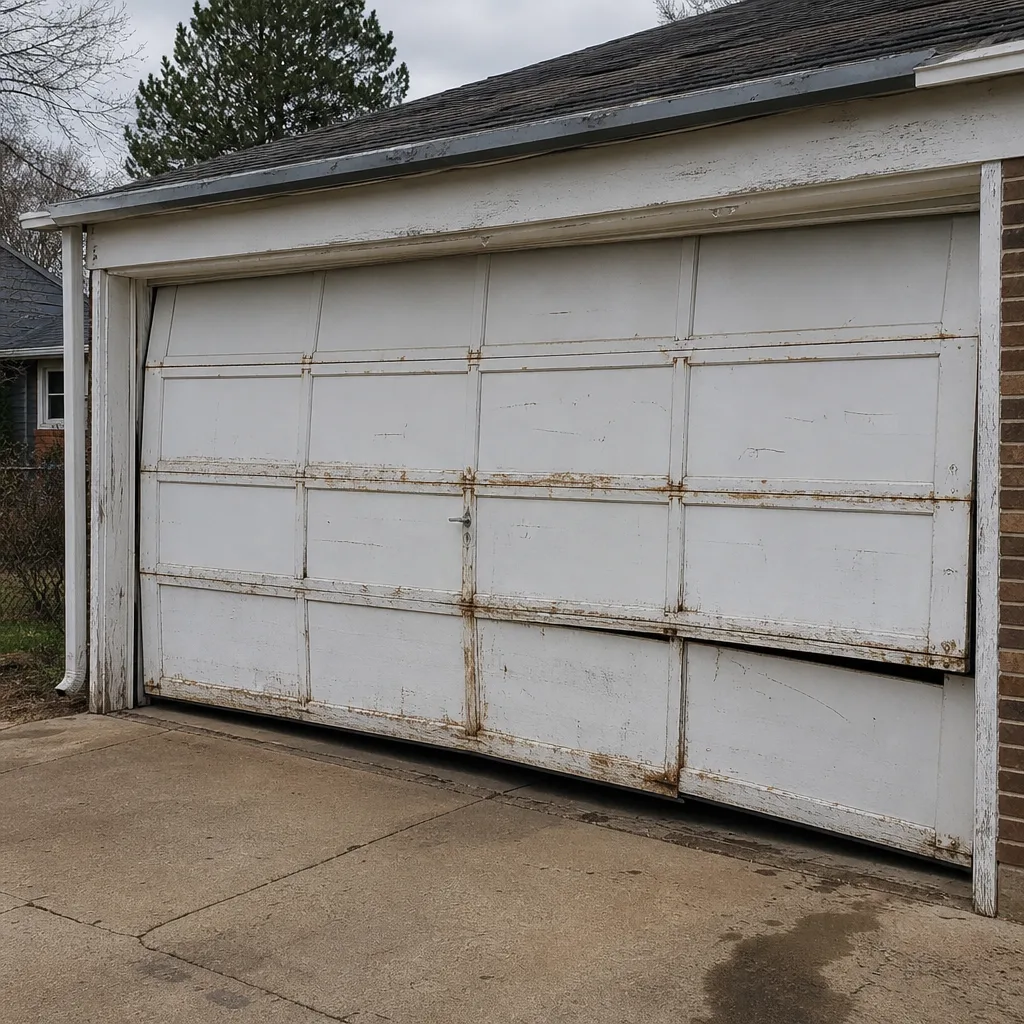
See the difference
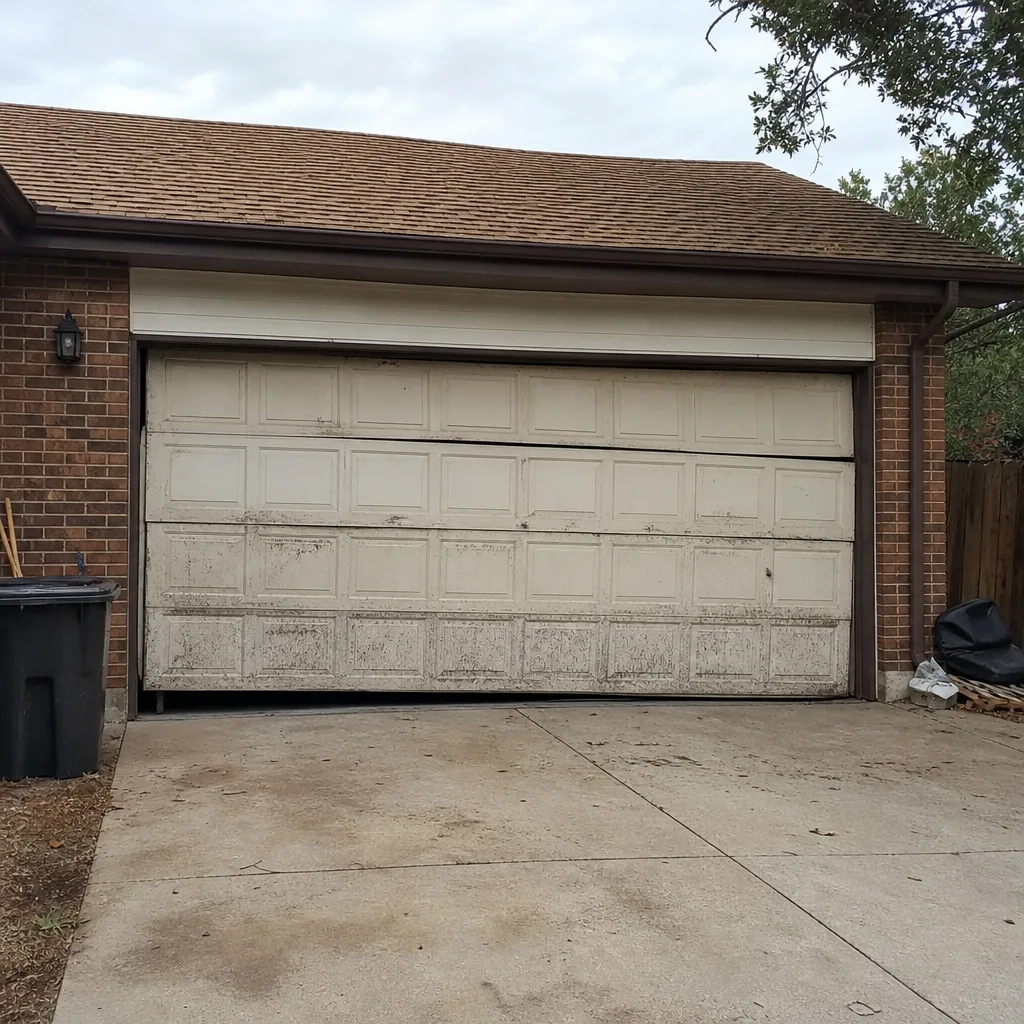 Before
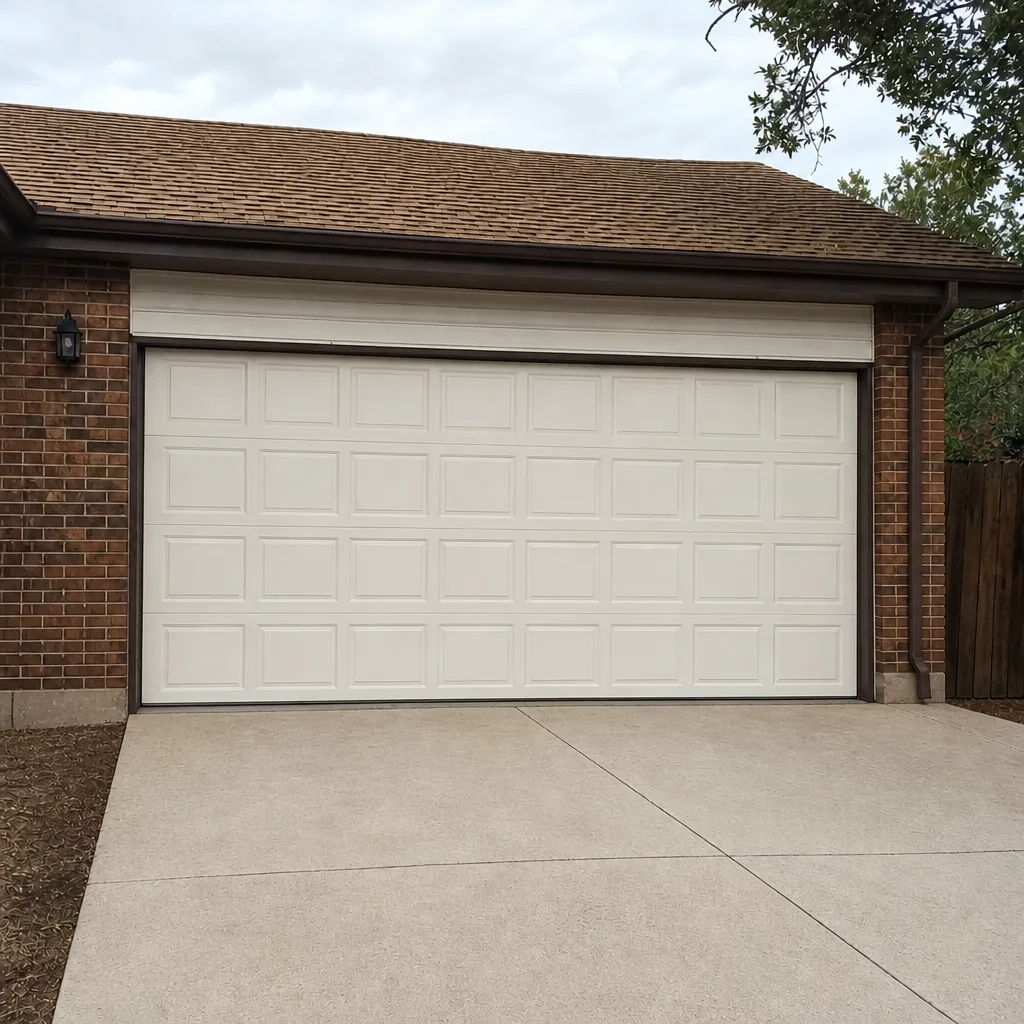 After
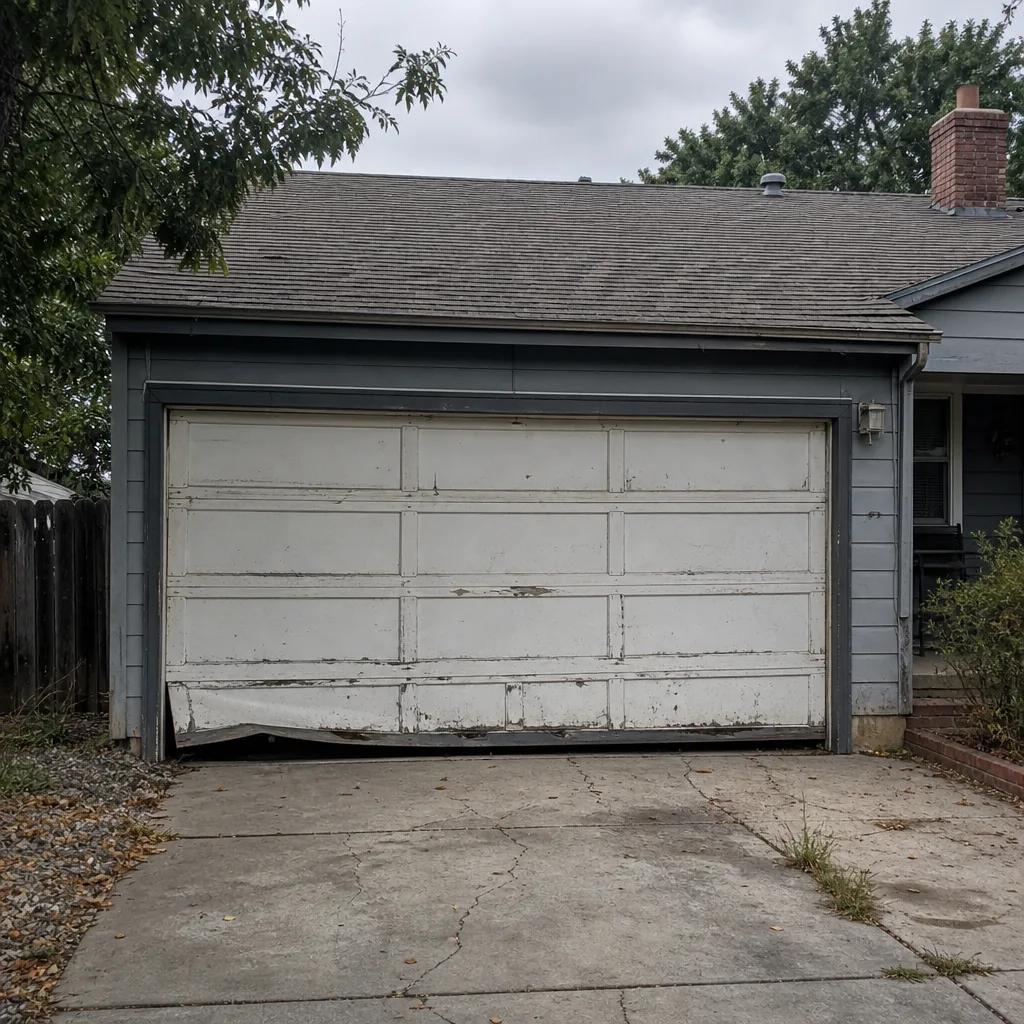 Before
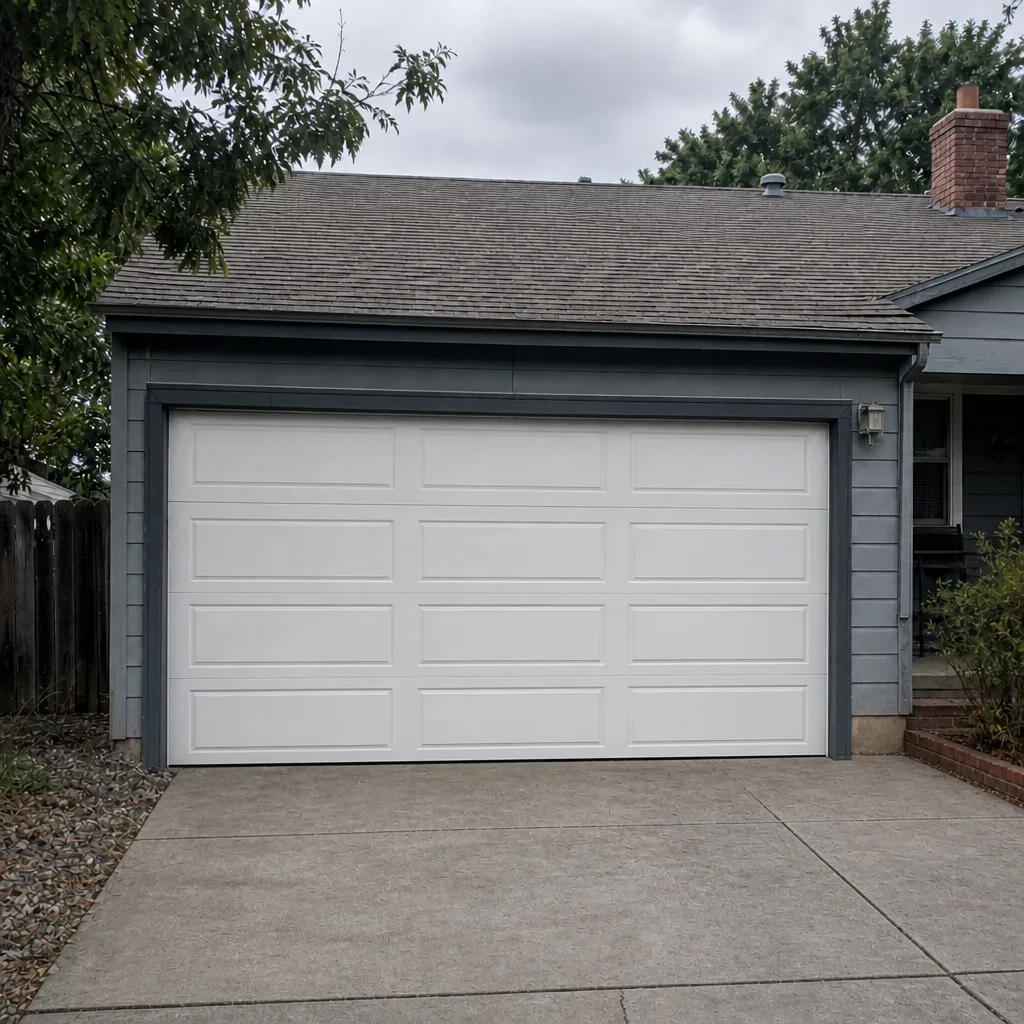 After
 Before
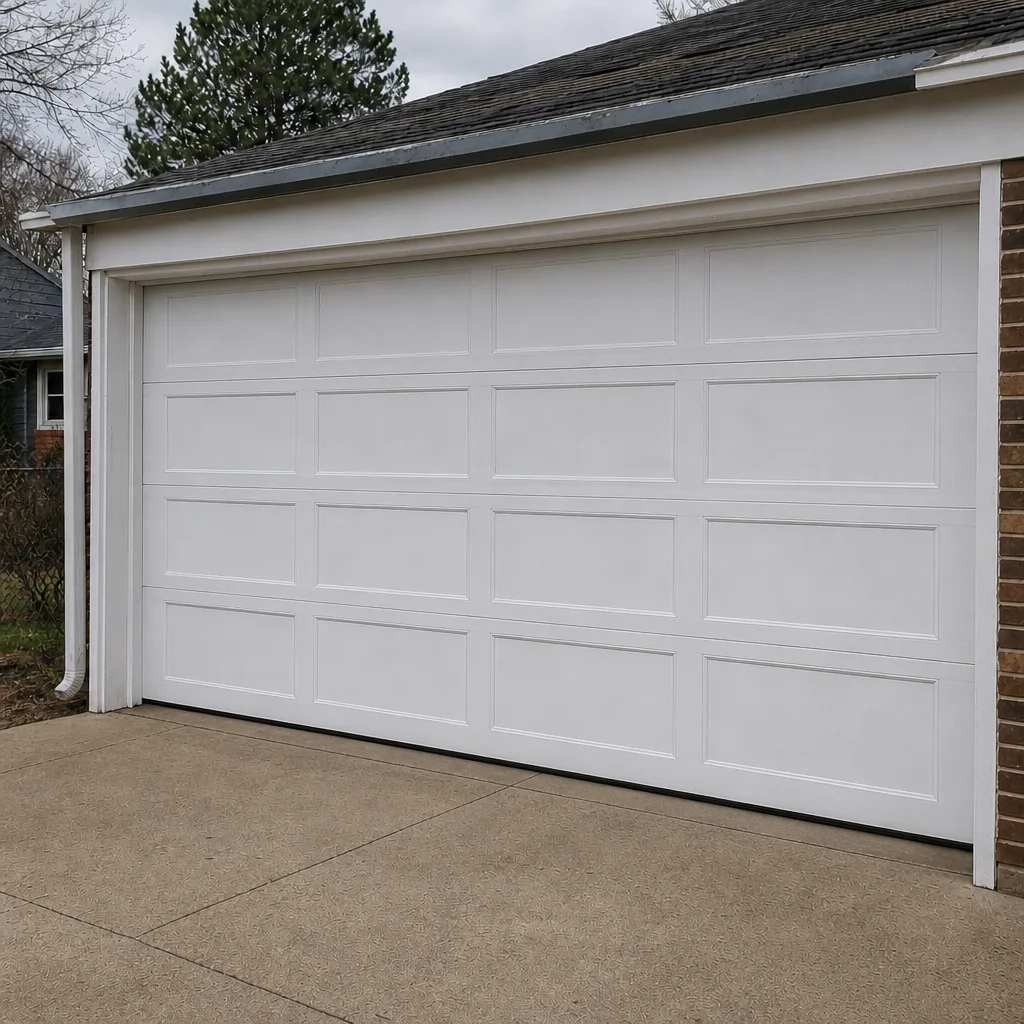 After
When to Call a Professional
Some garage door problems are safe to look at; others aren’t. Any issue with the torsion spring, cables, or drums needs a trained technician. The high tension in a loaded spring can cause serious injury, and there’s no safe DIY path. Same for anything that involves the opener’s electrical supply or a wiring change. If your door isn’t balanced, if the safety reverse fails, if a spring is visibly broken, or if the opener runs but the door doesn’t move, call a professional. Our team at Lakewood Garage Door Repair Co offers free estimates in Lakewood – call (833) 681-3532. Our technicians have up to 15 years of experience and work on LiftMaster, Chamberlain, Genie, Clopay, Amarr, Wayne Dalton, Craftsman, and Raynor equipment. Seeing signs of corrosion on the hardware, hearing new noises on open, or noticing the door operating unevenly all warrant a visit.
Frequently Asked Questions
Ask three things: which brands they service, whether they’ll give a written quote with warranty terms, and how they diagnose a door (not just what they fix). A qualified contractor answers all three comfortably. A general contractor’s license is not a garage-door qualification in Colorado, so the license alone shouldn’t be your test. Call (833) 681-3532 and we’ll walk you through what a free estimate includes.
Handymen can do some light repair work, but they typically lack the specific training garage doors require, especially on springs, cables, and openers. Insurance, warranty, and brand-specific competence are usually missing. The safer rule is to hire a garage door specialist for any spring, cable, drum, or opener repair. For a free estimate from a specialist, call (833) 681-3532.
Repair cost depends on the component. A single torsion spring replacement is typically quoted per spring, and a matched pair costs about twice a single spring because both are replaced together. Other repairs (cables, rollers, hinges, sensor calibration) vary by scope. The written estimate sets the final price. Call (833) 681-3532 for a free estimate tailored to your door.
Yes. A proper quote includes parts, labor, and warranty terms, and the price is agreed before any work begins. If a technician wants to start without a written quote, don’t let them. Ask for the quote first. We give free estimates in Lakewood: (833) 681-3532.
The local pros we connect you with are licensed and insured as their state requires. In Colorado, that means general contractor licensing and insurance coverage. Ask for the certificate of insurance before they start. We’re happy to walk you through what to look for when you call (833) 681-3532.
Don’t try to lift the door by hand. Keep it closed and call a garage door contractor. A broken torsion spring makes the door very heavy to lift and can cause injury if the door comes down unexpectedly. Call (833) 681-3532 for same-day service during our 7am to 7pm hours.
The Bottom Line
The difference between a qualified garage door contractor and a handyman with a parts account shows up before the quote, not on it. Verify brand range, ask for written warranty terms, demand a diagnosis before any recommendation, and read the quote line by line. A Colorado general contractor license doesn’t prove garage-door competence; the questions you ask do. A repair-first contractor works on the door you have, explains what’s wrong, and backs it up with a written quote. If a company steers toward a full replacement before it’s diagnosed the existing door, keep looking. In Lakewood, same-brand expertise and neighborhood availability matter, and a technician who knows the seasonal wear pattern here will diagnose yours with more accuracy than one who doesn’t.
Lakewood Garage Door Repair Co handles repair, opener repair, spring repair, installation, and parts for the major brands we’ve covered. If you’d like a free estimate, call (833) 681-3532. Our technicians have up to 15 years of experience, we work on the door you already have, and the price we quote is the price you pay. Whether the job is diagnosis, repair, or a new install, we’ll tell you what it involves and why before any work starts. For everything we service, see Lakewood Garage Door Repair Co.
Written by the team at Lakewood Garage Door Repair Co.