Last updated November 20, 2026
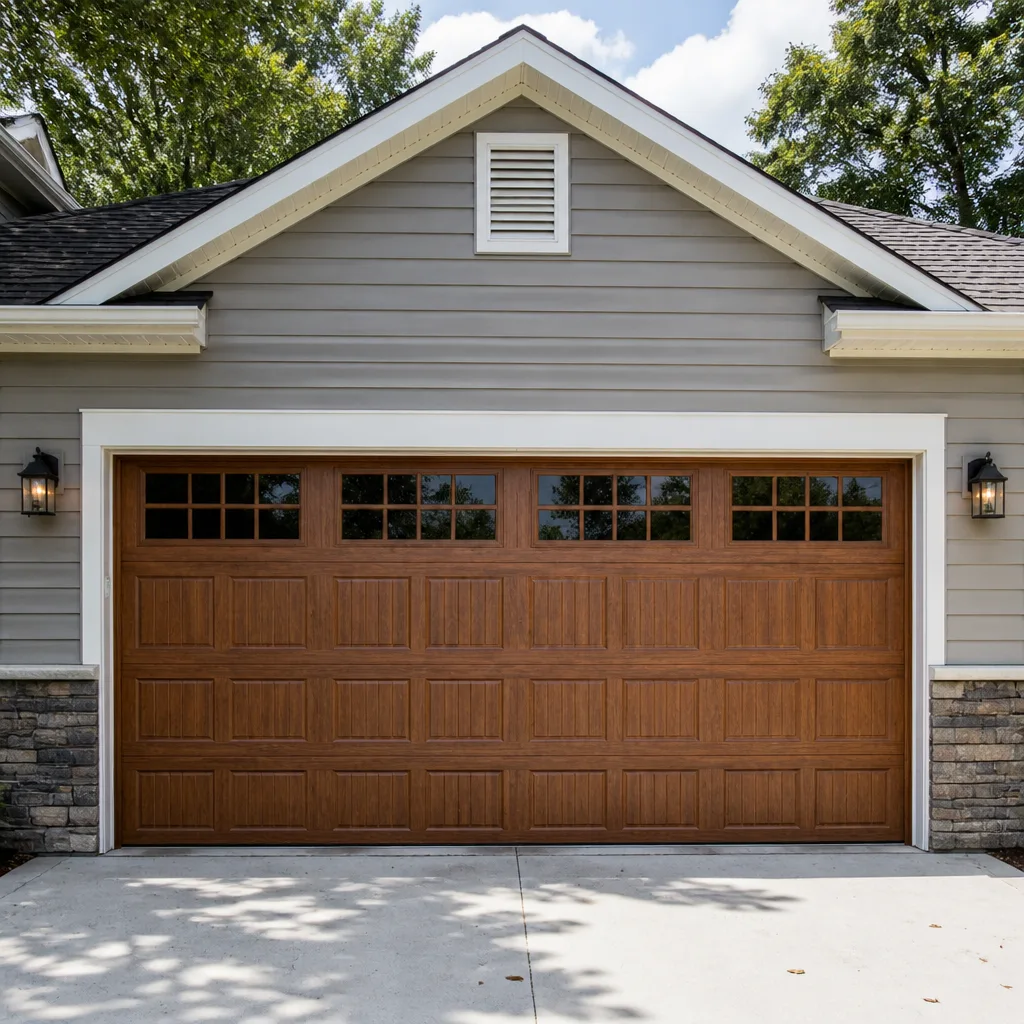
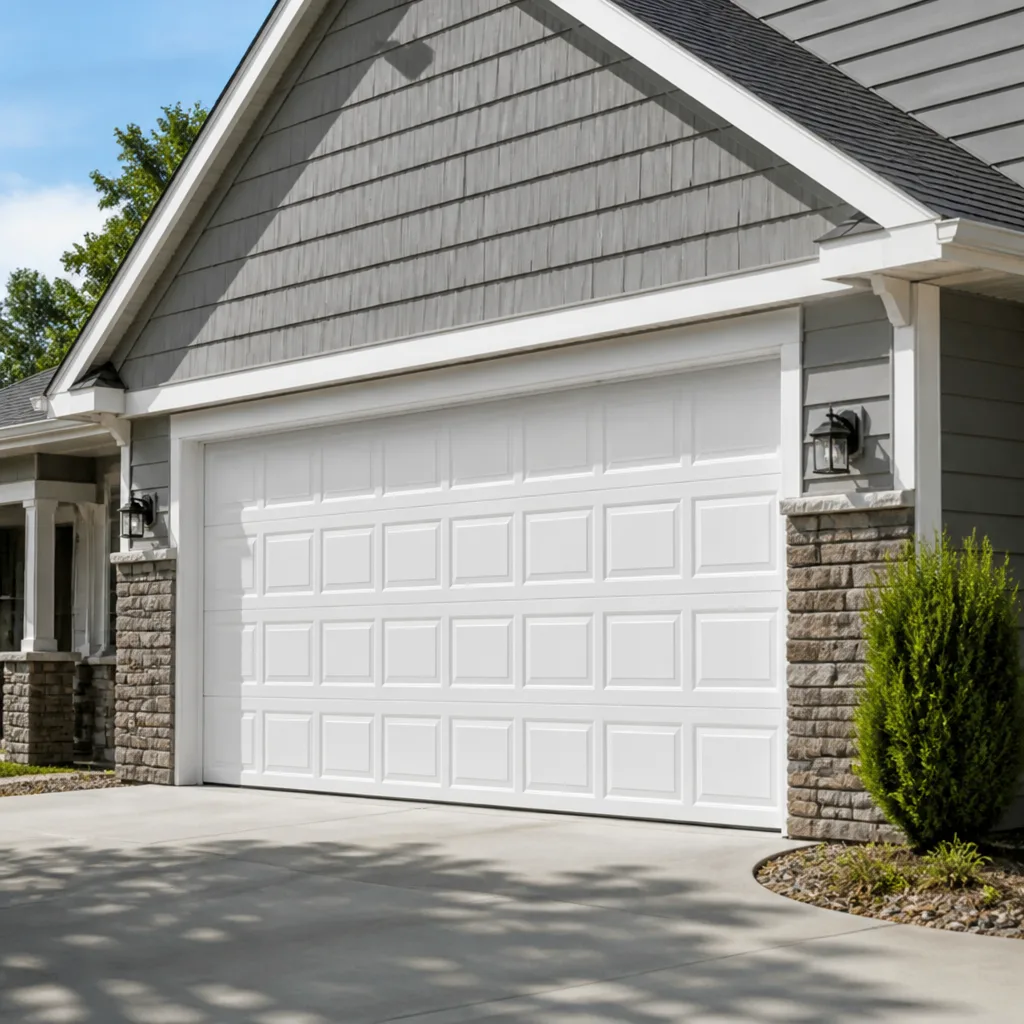 Raised-panel steel
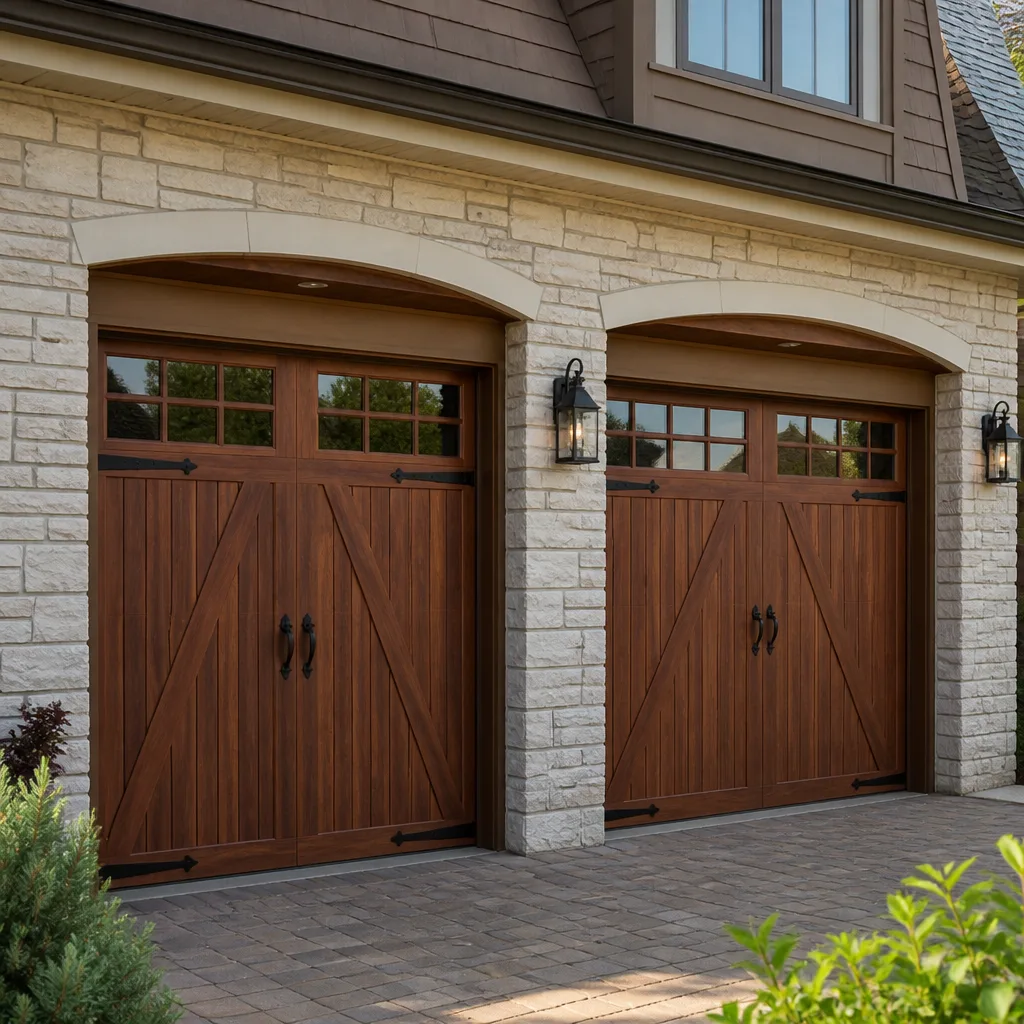 Carriage house
 Modern flush
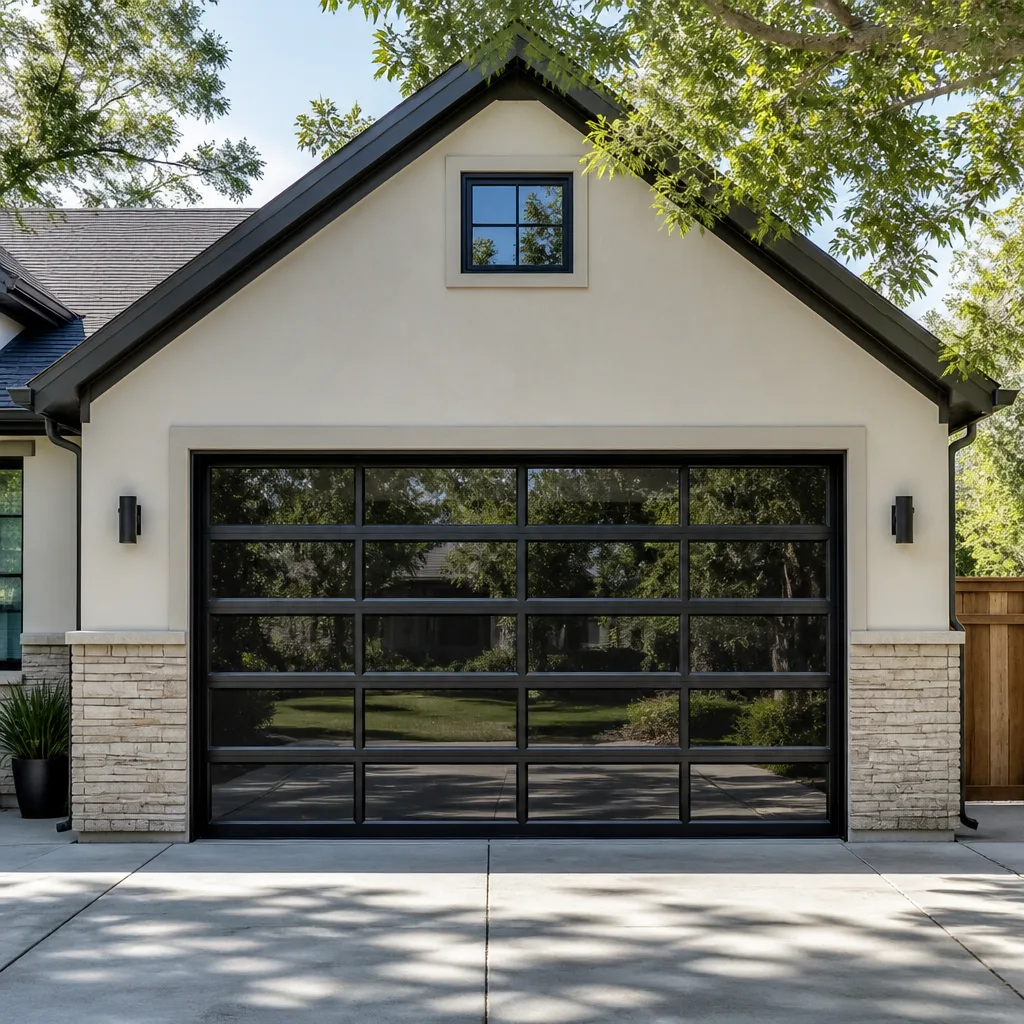 Full-view glass
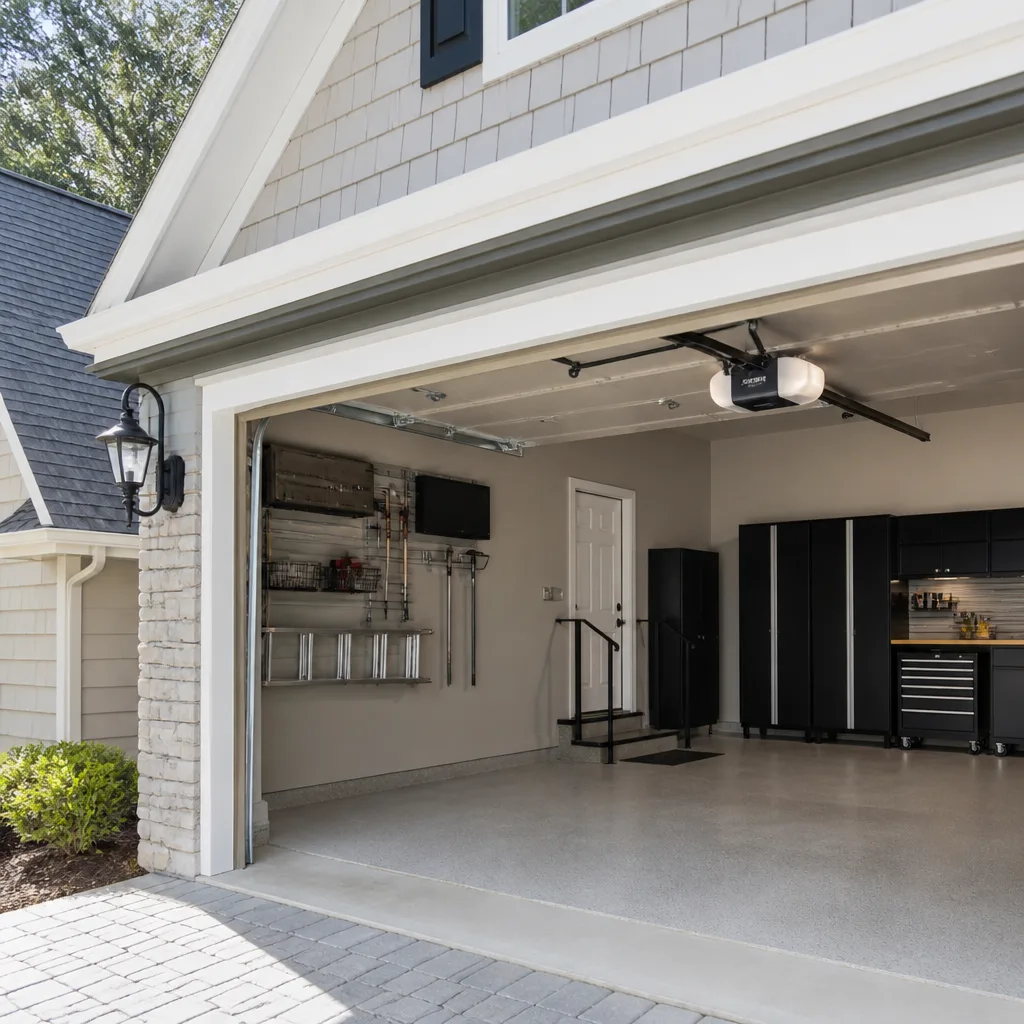 LiftMaster openers
 Chamberlain openers
Full 25-point door and opener safety check with every visit - springs, cables, rollers, tracks, and your LiftMaster or Chamberlain opener included
You get a price before we start. It does not change when the pro arrives.
Get your free estimateGarage Door Permits, Codes & Inspections in Lakewood, CO: What You Need to Know
Here’s the part that surprises most people: swapping out a garage door isn’t always the simple cosmetic upgrade it looks like. Depending on what’s behind the door and how the work is framed, a replacement can cross the line into a structural alteration, and that means permits, inspections and paperwork most homeowners never think about. If you’re selling your Lakewood home and an inspector finds an unpermitted garage door replacement, it’s your problem to fix. Not the previous owner’s, and not the contractor’s. This guide walks through when a permit is actually required in Lakewood, what the city inspects, how HOA rules interact with city code, and what to do if work was already done without one.
Quick Answer
A like-for-like garage door swap that reuses the existing tracks, springs and opening generally does not require a building permit, but a replacement that changes the opening size, alters the header or framing, or adds a new structural connection usually does. In Lakewood, the City’s building department makes the final call, and the safest move before any major garage door work is a quick call to them or a written scope from your contractor. Panel and hardware swaps without structural change are typically permit-free; framing and opening changes are not.
Styles & brands we work with
- Raised-panel steel
- Carriage house
- Modern flush
- Full-view glass
- LiftMaster openers
- Chamberlain openers
Table of Contents
- When Does a Garage Door Replacement Need a Permit in Lakewood?
- What Does the City of Lakewood Actually Inspect?
- What Happens If a Garage Door Inspection Fails?
- HOAs vs. City Code: Which One Governs Your Door?
- The Consequence Chain: No Permit, Insurance, and Sale
- How to Retroactively Permit Work Done Without One
- Why Lakewood’s Climate Wears Doors Out Faster
- Working With a Contractor Who Understands the Rules
When Does a Garage Door Replacement Need a Permit in Lakewood?
A garage door replacement needs a Lakewood building permit when the project involves structural change to the opening, the header above the door, or the wall framing around it. A straight swap where a new door goes onto the same track and opening, with the same dimensions, is usually treated as a maintenance or cosmetic upgrade and does not require a permit. The dividing line is whether the work touches structure.
The trigger points we see homeowners run into fall into two buckets:
Permit usually required
- Widening or narrowing the garage opening for a new door size
- Replacing or modifying the header beam above the opening
- Cutting into or altering the framing around the opening
- Converting a manual door to an opener that requires new wiring circuits
- Adding a new garage door where there wasn’t one before
- Replacing a door after fire, impact or structural damage where the framing was affected
Permit typically not required
- Swapping door panels or the full door in the same opening and track
- Replacing torsion or extension springs with equivalent equipment
- Replacing an opener on existing wiring
- Roller, hinge, cable and hardware replacement
- Painting, staining or refinishing a door
Here’s the honest caveat: only the City of Lakewood can give you a final answer for your specific home. A door in a 1950s ranch near Belmar sits in a different framing situation than a newer build out toward Green Mountain, and a change that looks cosmetic on one house may qualify as structural on another. When our technicians assess a job, they note which of these trigger points apply and tell the homeowner to check with the building department before we schedule a structural change. We’d rather lose a day on scheduling than have a homeowner staring at an unpermitted opening.
If you already know you’re doing a full replacement rather than a repair, our garage door installation service handles the measurement and scoping in a way that supports a permit application when one is needed.
What Does the City of Lakewood Actually Inspect?
A Lakewood garage door inspection focuses on structural integrity and safe installation, not on how the door looks. When a permit is issued for a garage door project, the inspection that follows is checking whether the opening, header and attachment meet code, not whether you picked the right Clopay color.
An inspection typically looks at:
- The header and framing. The inspector confirms the beam above the opening is sized and secured correctly for the new door load.
- Attachment points. The brackets and tracks must be fastened to structure, not just to drywall or sheathing.
- The door’s listed rating. The installed door should match what the permit describes, and any label or documentation should be available.
- Safety features. Opener reversal (both the mechanical and photoelectric safety features) and the manual release are checked where an opener is part of the scope.
- Clearance and function. The door should open and close fully without binding, with proper clearance along the tracks.
The inspection is a snapshot, not a service call. An inspector is checking compliance with the approved scope; they won’t adjust spring tension or rebalance a door. If they find something off, they flag it and you schedule a re-inspection after it’s corrected. That’s why we tell homeowners to book the door hardware and balance work before the inspection, not after – a door that binds during the test creates a second trip, a second fee and a second slice of time off work.
We’ve seen more than a few situations where a door was installed fine but the opener’s safety reversal wasn’t set correctly from the factory, and the inspection caught it. A good garage door opener repair call before the inspection is a small cost compared to a failed re-inspection. In Lakewood, where afternoon sun on a west-facing door can work the opener hard through summer, that reversal check is worth doing regardless.
What Happens If a Garage Door Inspection Fails?
A failed garage door inspection means the work isn’t signed off until the flagged items are corrected and the project is re-inspected. Practically, that stalls the permit’s closure and can hold up related work, but it does not mean the door gets torn out. Most failures are correctable in a single follow-up visit.
The common failure reasons we hear about:
- Header or framing not matching what the approved plan showed
- Brackets lagged into drywall or sheathing instead of structure
- Door model or label not matching the permit documentation
- Opener safety reversal not functioning or not set to spec
- Missing manual release or a release that doesn’t operate cleanly
- Tracks out of plumb, causing binding under load
The practical steps after a failed inspection:
- Get the inspector’s written note describing exactly what needs to change. Verbal summaries are not enough.
- Have a technician correct the hardware, balance or opener setting with the note in hand, not from memory.
- Photograph the correction, especially framing and bracket attachment, in case the re-inspection is by a different inspector.
- Schedule the re-inspection through the permit portal. Don’t assume the correction triggers an automatic re-check.
- Keep the passed inspection record with your home documents. It’s the receipt that the work was actually permitted.
The single biggest cause of a failed inspection is scoping the door before checking what the header and framing underneath can actually carry. A door that’s structurally fine in the showroom can be the wrong fit for the opening you’re putting it into, especially in older Lakewood homes where a previous owner may have already modified the opening. Diagnosis first, door order second.
HOAs vs. City Code: Which One Governs Your Door?
Your HOA’s architectural rules govern appearance; the City of Lakewood’s building code governs safety and structure. Both can apply to the same door, and satisfying one does not satisfy the other. This is the single most common point of confusion when Lakewood homeowners plan a replacement.
The division of labor looks like this:
What the HOA usually controls
- Door color, finish and material
- Window configuration and window style
- Panel design and decorative hardware
- How the door reads from the street in relation to neighbors
- The approval paperwork and any neighborhood design guidelines
What the City usually controls
- Structural attachment and framing
- Opening dimensions and load capacity
- Safe installation of the door and opener
- Whether the project requires a permit and inspection
The two-track system creates two failure modes. The first is passing HOA approval and never getting a permit for structural change – the aesthetic is signed off, the structure isn’t. The second is a permitted install that gets flagged by the HOA after the fact because the door style wasn’t approved. Both are fixable, both are avoidable with a little front-end work.
If your community has architectural review, get written approval for the specific door model and color before you place the order, and get the city permit question answered before any framing work. If you’re in a neighborhood where the original doors are common, take photos of a couple of similar doors for the HOA submission – it usually speeds up approval. Then confirm the structural details with a technician and, if the opening is changing, with the building department.
The Consequence Chain: No Permit, Insurance, and Sale
Unpermitted structural work can complicate insurance claims and home sales, even when the work itself is fine. The problem isn’t the door – it’s the paper trail. When there’s a claim or a sale, someone is going to ask for documentation, and “the door works great, but nobody filed anything” is a hard answer to work with.
Follow the chain honestly, without the scare tactics:
Step 1: The work was done without a permit.
Either the homeowner didn’t know one was required, or the contractor didn’t raise it. Either way, no permit was pulled, no inspection was recorded.
Step 2: A claim happens.
If the door, opener or surrounding structure becomes part of an insurance claim, the adjuster’s first question is whether the installation was done to code. A missing permit doesn’t automatically void a claim, and it doesn’t automatically deny you coverage, but it does create a dispute about how much of the loss the policy will respond to. The adjuster can treat the door as non-conforming, and any damage connected to that door goes into a separate conversation.
Step 3: A sale happens.
During a Lakewood home sale, a buyer’s inspector will look at the garage, note the door age and style, and sometimes flag missing permit records for visible structural change. A missing permit becomes a negotiable item, and typically the seller pays – through a price adjustment, a retroactive permit, or both.
Step 4: The seller inherits the fix.
That’s the point Lakewood homeowners need to internalize. When you buy a house with unpermitted structural garage work, the fix is yours to manage down the road. When you sell a house in that condition, the buyer puts the same stamp on you. The work isn’t the problem – the missing record is.
The good news is that the chain can be broken at any step. A permit pulled before the work starts solves it in one move. A retroactive permit solves it after the fact. What doesn’t solve it is silence.
How to Retroactively Permit Work Done Without One
Retroactive permitting is possible in Lakewood, and the process works – it’s just slower and messier than doing it the first time. A retroactive permit asks the city to inspect work that’s already complete and issue a permit based on what’s actually there.
The general process:
- Call the City of Lakewood building department. Explain the situation, be specific about the work (door replacement, framing change, opener wiring), and ask what documentation they need for a retroactive permit. This is a case where being upfront about the timeline helps.
- Gather documentation. Photo of the installed door, model and make information, photos of the framing and attachment points behind the drywall if accessible, and any receipts for the door and hardware.
- Have a technician document the install. A technician familiar with the door’s structural attachment can photograph the brackets, tracks and header connections for the submittal. This is also the moment to catch anything that would fail an inspection.
- File the retroactive permit application. Pay the permit fee (it usually runs a bit higher than the original permit fee because it’s a retroactive filing).
- Schedule the inspection. The city inspects the completed work in place. If it passes, you have a permit record. If it fails, you get a correction list and go back to step three.
- Keep the file. The point of the whole exercise is to have a record you can hand to an insurer or a buyer. Save the permit, the inspection result and the photos in your home documents.
What makes this easier: a door installed correctly in the first place usually passes. The structural work is either sound or it isn’t, and the inspector will see that. What makes it harder: work that used non-standard framing you can’t easily explain, or doors installed with brackets that were never attached to structure. In those cases, the fix is to bring the attachment up to code, then permit it. Not fun, but straightforward.
Why Lakewood’s Climate Wears Doors Out Faster
Lakewood’s front-range climate is hard on garage doors, and that matters for how long a permitted install actually lasts before the next replacement. The combination of dry summers, cold winters, and a wide daily temperature swing works wood, steel and hardware harder than a mild coastal climate would.
What that pattern looks like on a door:
- Winter cold contracts steel panels and stiffens rollers, and the spring does more work to lift the door.
- Summer heat expands tracks, and the door can bind slightly at the hottest part of the day.
- The freeze-thaw pattern moves the concrete slab the door closes against, which puts wear on the bottom seal.
- Sun exposure on south- and west-facing doors fades paint and degrades the rubber seals within a few seasons.
None of this changes the permit picture for hardware replacement – springs, rollers and seals are repair items, not structural. But it does mean a Lakewood door typically needs a hardware-and-balance check more often than the manufacturer’s generic interval suggests. That maintenance is also cheaper than a structural replacement, which is the whole point of a repair-first approach. We work on the door you have, whether it’s a Clopay steel door in an established Lakewood neighborhood or an Amarr door that’s already twenty pounds of rust heavier than it should be.
Springs are the most dangerous part of any garage door system, and the climate accelerates the wear. If your door is struggling in cold weather or the springs sound louder than they used to, that’s a sign to have them looked at, not a sign to replace the door. Our garage door repair service handles the balance-and-hardware side, and we don’t jump to replacement when a spring, roller or cable change will do the job.
Working With a Contractor Who Understands the Rules
The contractor you hire should know the difference between cosmetic and structural work, and should tell you when your project crosses that line. That’s not a sales line; it’s how you avoid the permit scramble later.
What to ask before any garage door work in Lakewood:
- “For this specific job, do you believe a permit is required?” A good answer names the trigger points in your home: the header, the opening, the framing. A vague answer is a warning sign.
- “Will you put the permit question in the written estimate?” The written estimate should state whether a permit is expected and who pulls it. That single line prevents most headaches.
- “What brands do you actually work on?” Our technicians work on LiftMaster, Chamberlain, Genie, Clopay, Amarr, Wayne Dalton, Craftsman and Raynor equipment, and can service the system you already own.
- “Do you recommend replacement or repair?” Diagnosis first, recommendation second. If the answer is replacement before anyone has been under the hood, ask why.
- “Can you get parts, or will this take two visits?” Parts on hand, not on order, is the difference between a one-visit repair and a week of waiting.
- “Is the technician licensed and insured as the state requires?” Confirm the local pro you’re connected with carries the coverage their state requires before any wiring or structural work gets touched.
We connect Lakewood homeowners with independent local professionals who work to that standard. That means diagnosis first, a written estimate agreed before any work starts, and a call back to the door only when it’s time to fix something specific. If you’re starting with a full-service Lakewood Garage Door Repair Co relationship, the same scope logic applies across every visit.
Common Mistakes to Avoid
- Assuming cosmetic always means permit-free. A door swap is usually permit-free, but a door swap plus new framing is not. Ask the building department about your specific scope before you trust the assumption.
- Getting HOA approval and stopping there. HOA rules govern appearance, not structure. In Lakewood, both can apply, and passing one does not satisfy the other.
- Letting the contractor sort out the permit. Whether the contractor pulls the permit or the homeowner does, you should know which, and it should be in the written estimate. Not knowing is the first mistake.
- Skipping the opener safety reversal check. This is one of the most common inspection failures, and it’s a two-minute adjustment. Have it checked before the inspection, not after.
- Buying a used or discount door without model documentation. Without a label or spec sheet, the inspection has nothing to check the door against. That’s a fail waiting to happen.
- Filing a retroactive permit as a last resort. It works, but the fees run a bit higher and the process takes longer. If you know there’s unpermitted work, file early rather than waiting for an inspection to force it.
- Ignoring a small framing issue until the door is installed. A binding door with a bad header gets more expensive to fix after the door is on. Fix the structure first, then buy the door.
See the difference
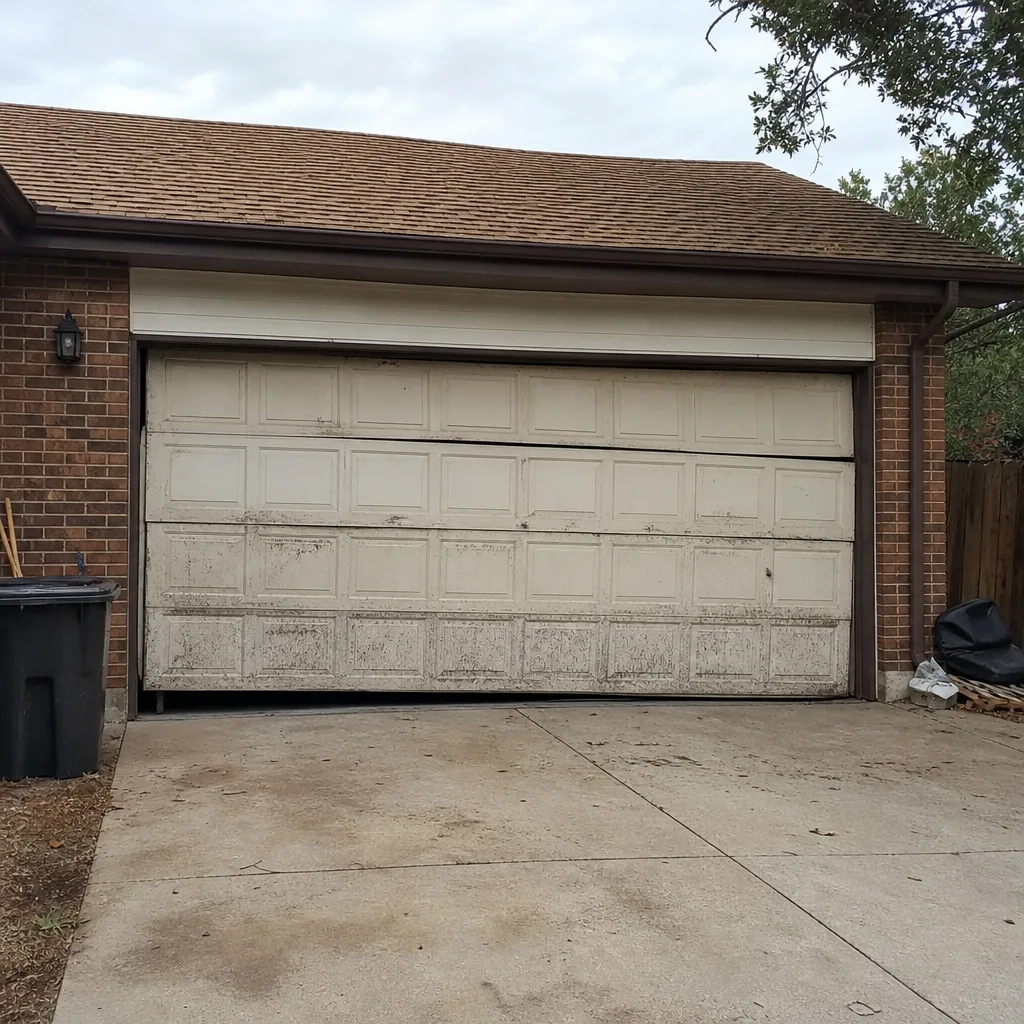 Before
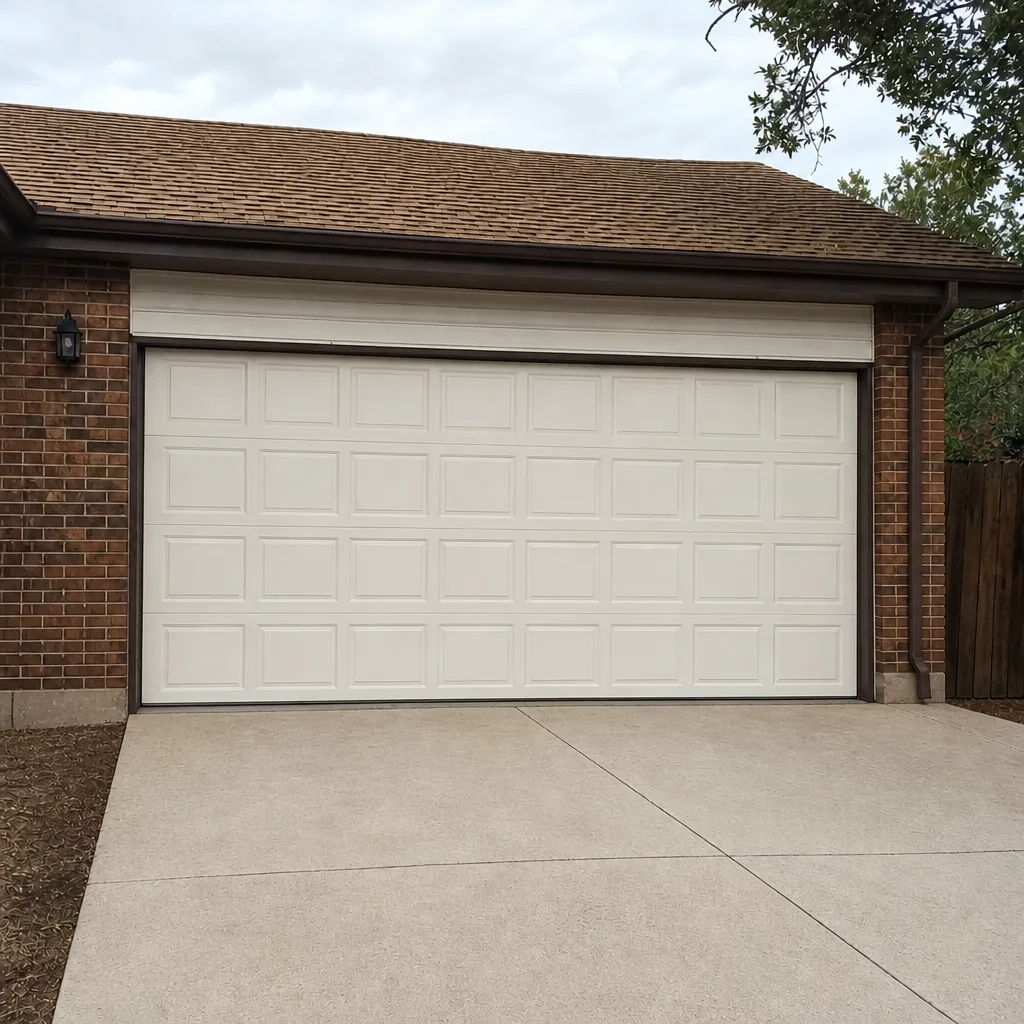 After
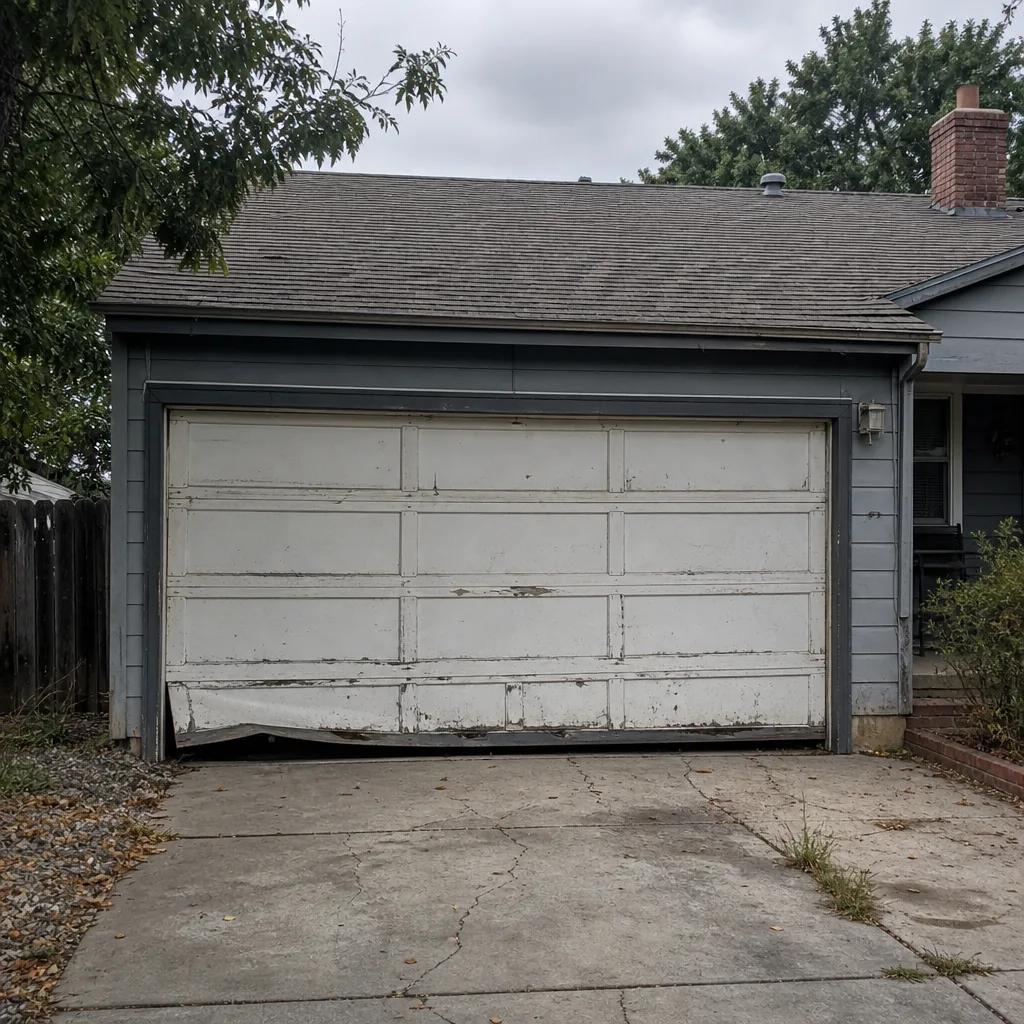 Before
 After
 Before
 After
When to Call a Professional
Some garage door work is genuinely a garage door professional’s job, and using a general handyman can cost more in the end. Call us when the door is binding, the springs are tired, the opener is misbehaving, the door isn’t balanced, or a replacement is being planned and the scope hasn’t been settled. Any work near high-tension springs or the opener’s electrical circuit should be handled by a trained technician – mistakes there are genuinely dangerous. For Lakewood homeowners planning a replacement around a permit or HOA question, having a technician document the installation scope before the building department gets involved is the lowest-cost path to a clean result. Lakewood Garage Door Repair Co offers free estimates in Lakewood – call (833) 681-3532 and we’ll help you sort out the scope, the parts, and the questions to take to your building department.
Frequently Asked Questions
Probably not for a like-for-like swap, but possibly yes if the opening, header or framing changes. The dividing line is whether the work is cosmetic (new door in the same opening) or structural (framing, header, opening changes). Call the City of Lakewood building department with a description of the specific job before work starts, and ask. It’s a five-minute call that prevents a much longer conversation later. Call (833) 681-3532 for a free estimate and a written scope you can take to them.
The seller usually ends up paying to fix it, one way or another. A buyer’s inspector flags missing permit records, the buyer negotiates the fix, and the cost typically lands on the seller. That could mean a price adjustment, a retroactive permit filing, or having the attachment corrected to code before closing. Call (833) 681-3532 for an estimate on bringing the door to a permittable condition before it becomes a closing item.
Expect the retroactive permit fee to run higher than the original permit fee, and expect the correction work to be priced separately if anything in the installation isn’t up to code. The exact fee comes from the City of Lakewood building department – they quote it based on the scope of the completed work. Call (833) 681-3532 for a free estimate on the hardware side so you know the full picture before you file.
It doesn’t automatically void your policy, but it can complicate a claim connected to the door. If the garage door is part of a claim, the adjuster will ask whether the installation was permitted and done to code. A missing permit creates a dispute about how much the policy will respond to. A tech can document the current installation and bring any non-conforming attachment up to a permittable state. Call (833) 681-3532 for a free estimate.
Usually yes, if your community has architectural review. HOA rules govern appearance: color, finish, window style, panel design. City code governs structure: attachment, framing, opening. Both can apply at once, and passing one doesn’t satisfy the other. Get written HOA approval for the specific door model and color before ordering, then confirm the structural side with the building department. Call (833) 681-3532 for a free estimate and a documented scope for the HOA submission.
An inspector checks the structural attachment, header, opener safety reversal, manual release and overall clearance against the permitted scope. It’s a compliance check, not a service call – the inspector won’t adjust spring tension or rebalance a door. Have the door hardware and balance work done first so the inspection passes in one visit. If something fails, you get a correction list and schedule a re-inspection. Call (833) 681-3532 for a free estimate and a pre-inspection balance check.
The Bottom Line
Permits for garage doors aren’t about paperwork – they’re about who inherits the risk. A cosmetic swap in the same opening is usually permit-free in Lakewood, but any structural change to the opening, header or framing usually requires one, and the City of Lakewood building department is the final authority. HOA rules run on a separate track from city code: appearance vs. safety. Skip the permit and the consequence chain is real, though it’s a chain you can break with a phone call before the work starts. Retroactive permitting is possible but slower and more expensive. Check the trigger points, get the scope in writing, and let a technician document the install before the inspector does.
If you’re not sure which side of the permit line your project falls on, we can help you scope it honestly. Call (833) 681-3532 for a free estimate with Lakewood Garage Door Repair Co.
Written by the team at Lakewood Garage Door Repair Co.