Last updated November 20, 2026
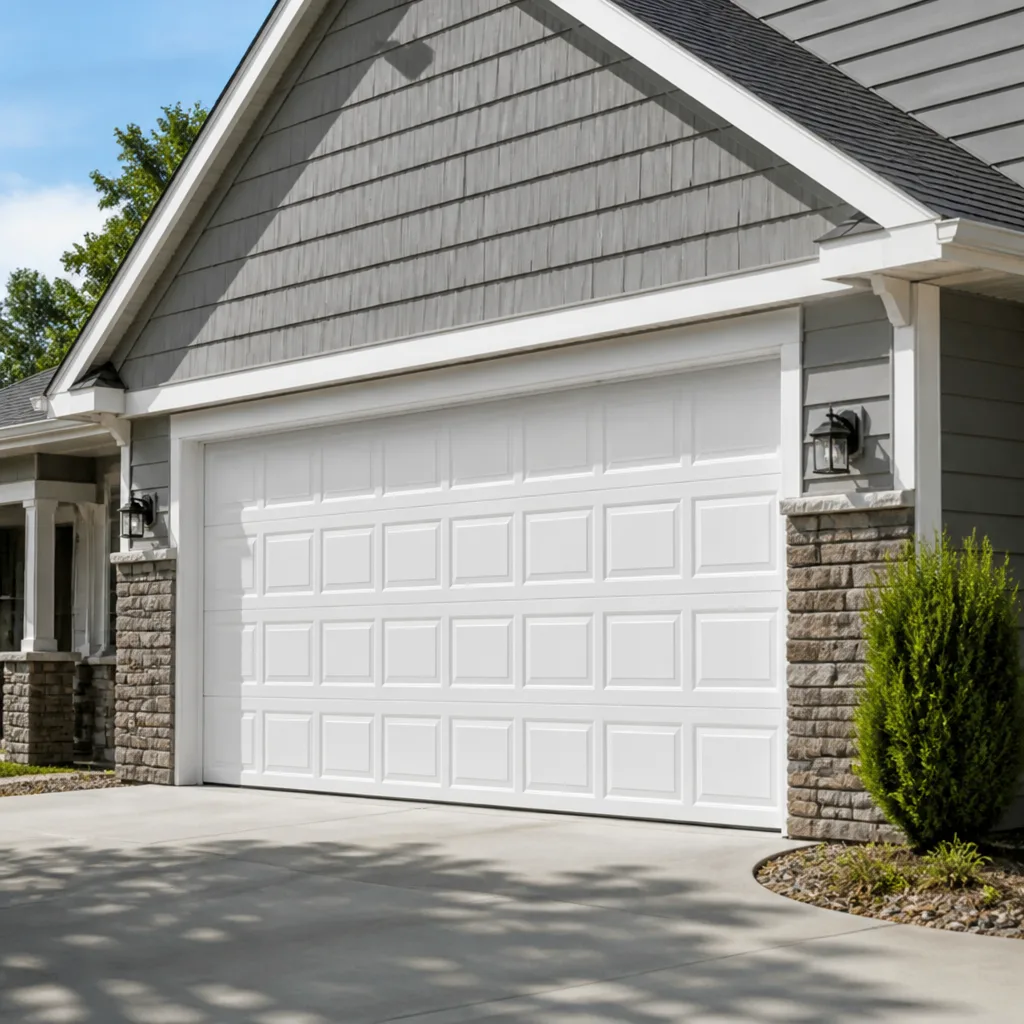 Raised-panel steel
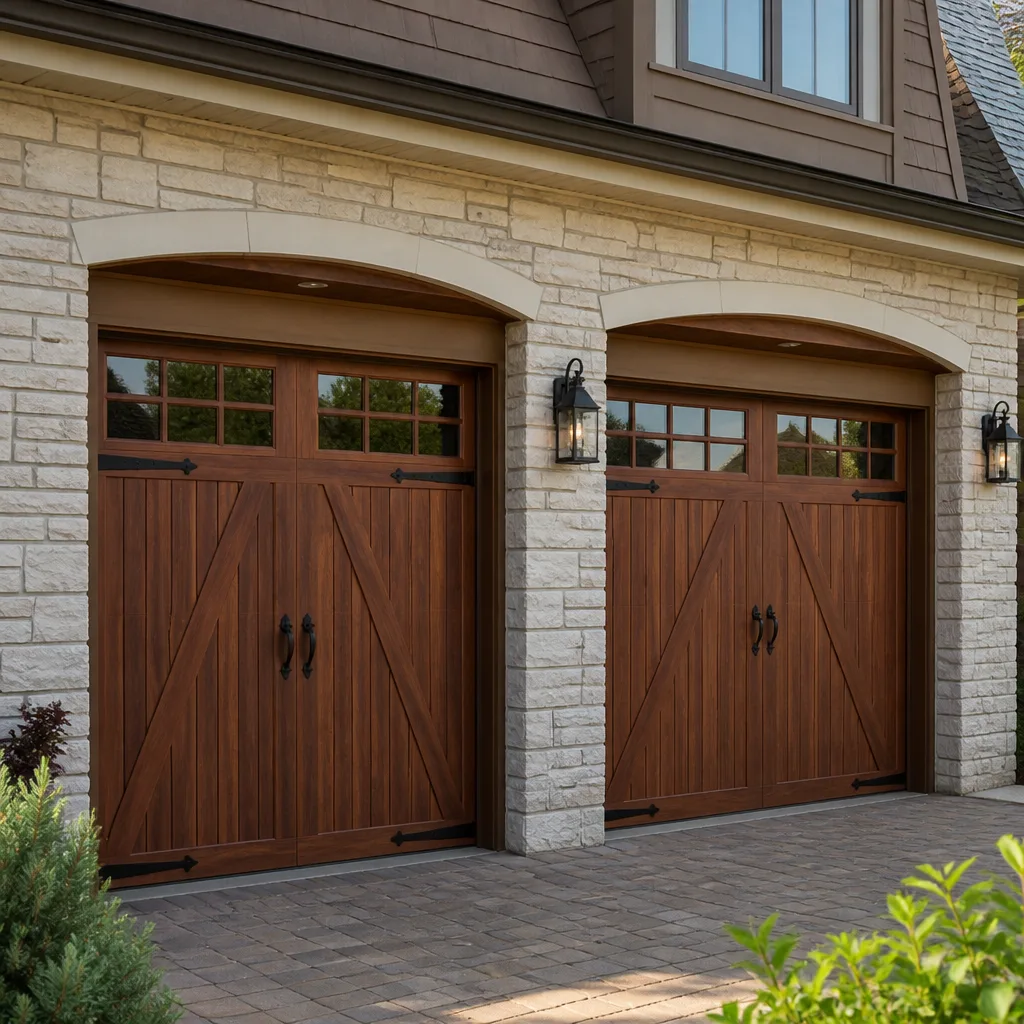 Carriage house
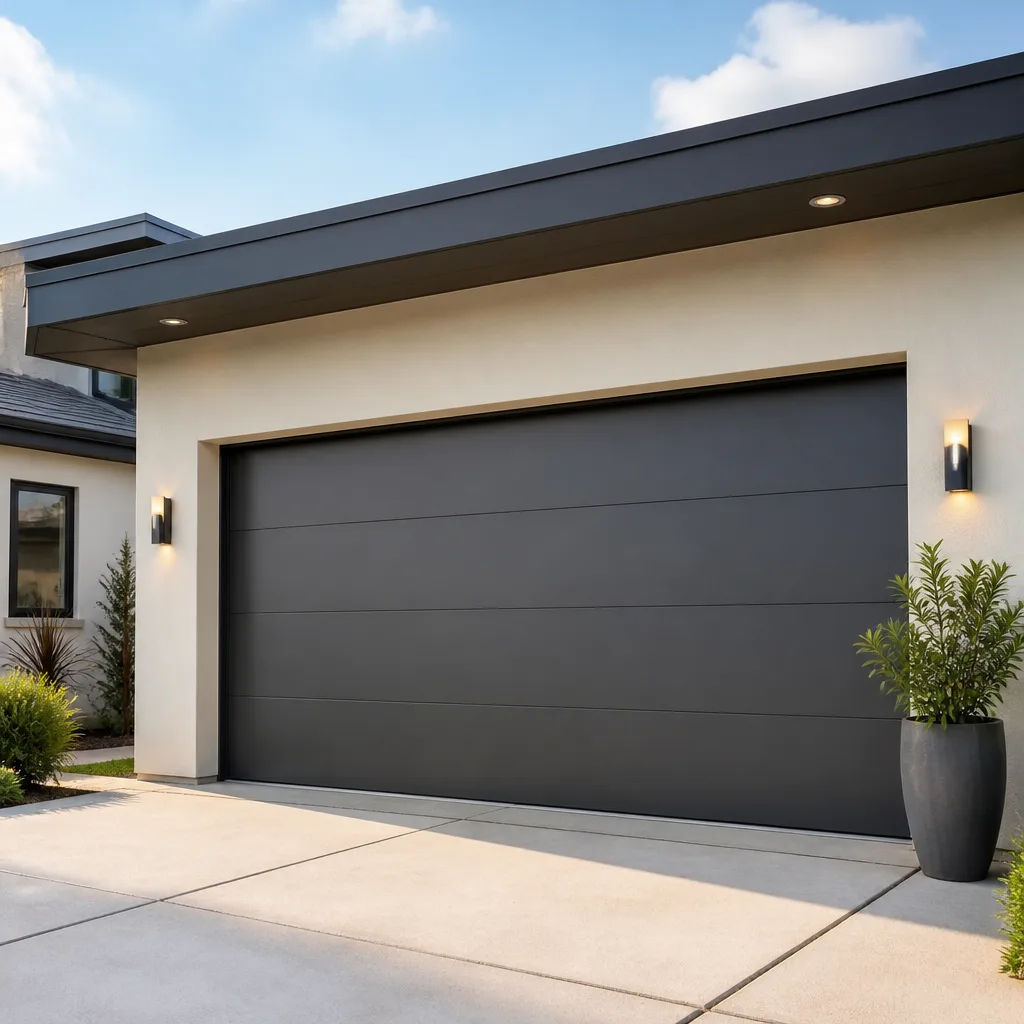 Modern flush
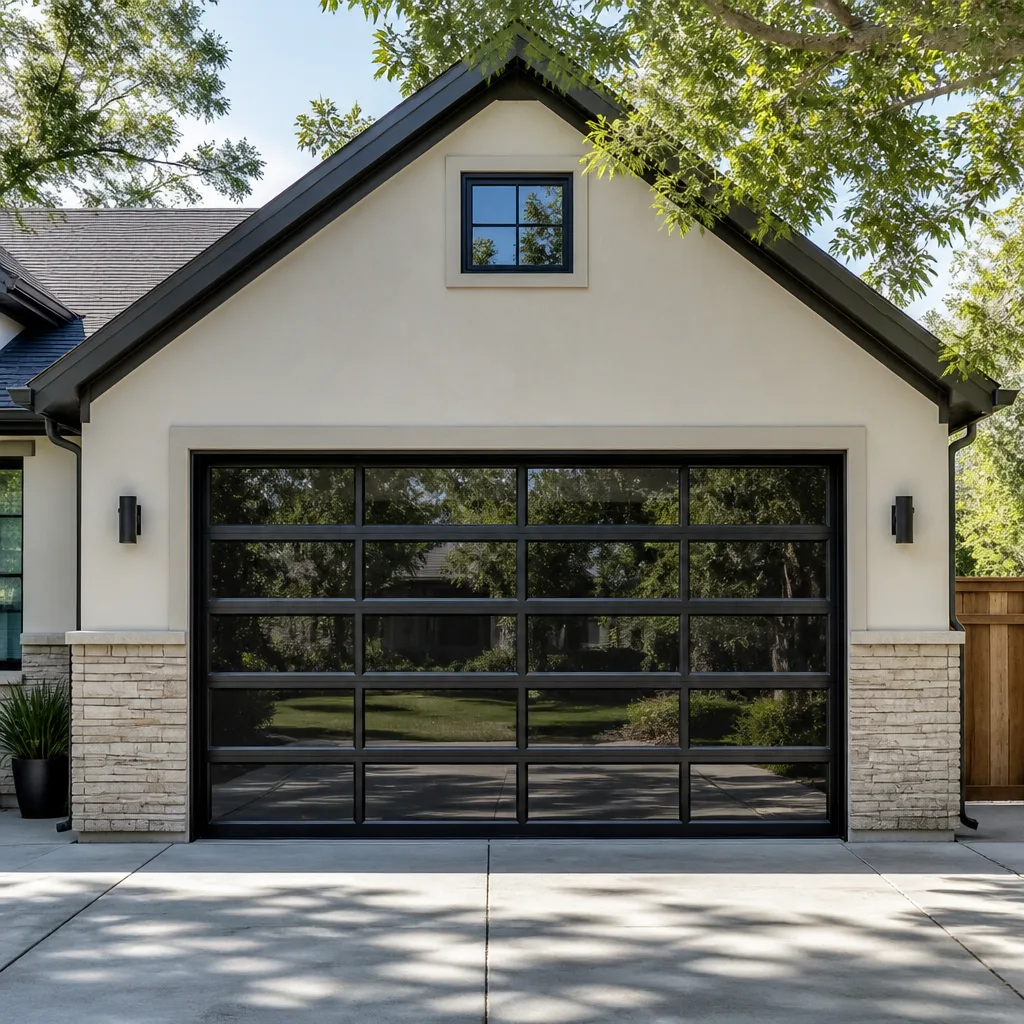 Full-view glass
 LiftMaster openers
 Chamberlain openers
Full 25-point door and opener safety check with every visit - springs, cables, rollers, tracks, and your LiftMaster or Chamberlain opener included
You get a price before we start. It does not change when the pro arrives.
Get your free estimateGarage Door Warning Signs: A Lakewood Homeowner’s Reference Guide
A garage door that hesitates for two seconds before moving isn’t being “slow” – it’s a force-sensing system telling you something is out of spec, and that something has a name. Most homeowners read the symptom and guess at the cure, then either panic-call for a problem that could have waited a week or ignore a problem that could drop a 200-pound door on a car. This guide is organized differently from the usual warning-signs list. For each of the eight most common presentations, we pair the symptom with the component most likely failing, a rough urgency rating, and whether the risk is injury or just inconvenience. You’ll also get the Lakewood-specific triggers – how cold-weather contraction and UV exposure change what a repair actually is here – so you can decide whether to call today or schedule next week.
Quick Answer
The two true emergencies that mean stop using the door now are a broken torsion spring (the door feels impossibly heavy or won’t lift) and a frayed or kinked lift cable (a snapping cable can whip and cause serious injury). Everything else – grinding, squealing, a slow opener, a door that reverses – is usually safe to operate short-term and should be scheduled within a week. The deciding factor isn’t how annoying the symptom is; it’s whether a high-tension component has already failed.
Styles & brands we work with
- Raised-panel steel
- Carriage house
- Modern flush
- Full-view glass
- LiftMaster openers
- Chamberlain openers
Table of Contents
- Symptom to Cause: What Each Noise and Movement Pattern Actually Means
- Urgency Triage: When to Stop Using the Door vs. When to Schedule
- Is Your Door Safe to Operate by Hand?
- Signs a Previous Repair Is About to Fail
- Lakewood Triggers: Cold Contraction and UV Damage vs. Normal Wear
- Opener Symptoms and What They Tell You
- Brand-Specific Clues: Genie, Clopay, Amarr, Wayne Dalton
- A 10-Minute Monthly Inspection You Can Do Safely
Symptom to Cause: What Each Noise and Movement Pattern Actually Means
The single most useful thing you can do before calling anyone is describe the noise accurately. Grinding, popping, and squealing come from three different parts of the system, and getting the right description on the phone saves everyone time. Here’s how we map what homeowners report to what’s actually happening.
- Grinding while the door moves. Usually the rollers binding in the track or a dry hinge and bearing plate. Can also be a bent track section the rollers are fighting. Urgency: moderate – schedule within a week, but lubricate nothing until the cause is confirmed.
- A sharp pop, then the door won’t lift. Almost always a broken torsion spring. The pop is the sound of the spring letting go. Urgency: emergency. Stop using the door.
- High-pitched squeal. Metal-on-metal friction, typically the rollers, hinges, or the opener’s rail and trolley. Urgency: low – annoying, not dangerous, but it accelerates wear.
- Rattling that gets worse over weeks. Loose hinge bolts, a loosening opener chain, or a door panel that’s separated from its stile. Urgency: moderate.
- Popping that repeats every few seconds while the door is still. A torsion spring that’s partially failed or a cable that’s slipping. Urgency: emergency. Get it looked at before the next cycle.
- Door jerks or stutters during travel. A worn roller, a misaligned track, or a failing opener gear. Urgency: moderate, but worth a call.
If you can point to your symptom on this list, you already know more than most people who call. That’s the point of diagnosis first, recommendation second – we want to hear the noise description before we suggest anything.
Urgency Triage: When to Stop Using the Door vs. When to Schedule
Urgency isn’t about how loud or annoying the problem is. It’s about whether a component under high tension has already failed. That’s the rule we apply, and it holds whether the door is a Clopay or a Wayne Dalton. Here’s how to sort your own situation.
Stop using the door today (emergency)
- Broken torsion spring. The door will be too heavy to lift safely by hand. Forcing it can drop the door or wrench the opener arm loose.
- Frayed, kinked, or slack lift cable. A failed cable can whip across the garage at speed. This is the most underrated injury risk in the whole system.
- Door hanging crooked with one side low. One spring or one cable has failed and the other is carrying double load. Stop now.
- Opener pulling the door up with the spring broken. The opener is not built to lift the full door weight. It will strip its gear or tear the mount.
Schedule within the week (non-emergency)
- Grinding, squealing, or mild rattling during travel.
- A door that reverses before closing cleanly (often the safety sensors or a force setting, not the door).
- An opener that’s slow, noisy, or occasionally unresponsive.
- A single panel that’s dented but the door operates normally.
If you’re on the fence, call and describe what you’re hearing. We’d rather talk you out of an unnecessary visit than have you run a door that shouldn’t be run. For fast, safe resolution of an active problem, that’s what our garage door repair service is built around.
Is Your Door Safe to Operate by Hand?
The rule is simple: if the spring is intact, you can usually lift the door by hand. If the spring has failed or a cable is compromised, you cannot – and you shouldn’t try. A torsion-sprung door with a dead spring feels like lifting a small car, and fighting it is how people get hurt.
To check whether the door is safe to open manually, do this with the door closed and the opener disengaged (pull the red release cord on the trolley):
- Stand to the side, not under the door.
- Lift the bottom handle section firmly. If it rises with moderate effort and stays put when you let go halfway, the balance is fine.
- If it takes both hands and your whole body weight, stop. The spring is failing or gone. Keep the door down.
- If the door falls on its own when released, the spring or cable is compromised. Do not open it again.
A balanced door holds its position at any height, roughly. One that drifts up or slams down has a tension problem. In our experience this single check tells you more about urgency than any noise description, and it’s the check people skip. If the door won’t hold, don’t fight it. Call (833) 681-3532 and describe what happened.
Signs a Previous Repair Is About to Fail
A lot of the doors we look at in Lakewood have had a repair that bought time but set up a future failure. The giveaway is usually mismatched parts – the kind of shortcut that’s invisible until you know what to look for. Here’s what to check on a door that’s already been worked on.
- Mismatched spring pair. A matched pair of torsion springs should be identical in size, wire gauge, and winding. A mismatched pair – one old, one new, or two different sizes – means the door lifts unevenly and one spring does more work. That’s a premature-failure waiting game.
- Oversized replacement cable. Cables come in specific diameters for specific load ratings. Oversized cable won’t seat correctly in the drum and causes binding or a slack cable.
- Wrong-gauge hardware. Inexpensive replacement hinges or bracket bolts that are thinner than original will shear under repeated load. Look for a loose or wobbly bracket.
- Opener force set to the maximum. If a technician cranked the force adjustment up to compensate for a stiff door, that tells you they were masking a problem instead of fixing it. The door should move with light force.
- Missing bolts and stripped screws. The most common sign someone stopped short. Track brackets and hinge plates should be fully fastened.
None of this is a knock on the owner who hired the last repair – it’s just what happens when a door gets patched. If you see these signs, the fix is usually a corrected spring pair or hardware, not a new door. That’s the repair-first instinct our Lakewood Garage Door Repair Co approach is built on: we work on the door you have.
Lakewood Triggers: Cold Contraction and UV Damage vs. Normal Wear
Some failures in Lakewood are simply age and use. Others are the climate. Knowing which is which changes what the repair actually is, and it changes when you should act.
Cold-weather contraction
Lakewood winters swing hard between mild afternoons and freezing nights. Metal contracts in the cold. That contraction tightens tolerances in the tracks, shrinks the gap between rollers and rail, and makes a marginal spring or cable let go on the first really cold morning. If your door started grinding or popping after a cold snap, the root cause is often contraction – not a brand-new mechanical fault. The fix may be a track adjustment or a spring replacement measured for the actual door weight, not a whole new door.
UV damage
At this elevation, the sun is unforgiving. UV breaks down the plastic on roller bearings, bakes the rubber bottom weather seal until it cracks, and bleaches and weakens a steel door’s finish over years. If you notice a chalky fade on the door face, a hard and cracked bottom seal, or rollers that crumble when you touch them, that’s UV – and it’s a small parts fix, not a replacement.
Normal wear vs. climate
- A door that squeals only in winter = cold contraction. Schedule when it’s convenient.
- A door that squeals year-round and gets louder = normal mechanical wear. Schedule within a week.
- Popping that starts on the coldest night of the year = likely a spring at the end of its life. Treat as urgent.
- A bottom seal that’s cracked but the door moves fine = UV. Replace the seal, keep the door.
This is where a technician who knows the door’s actual system earns their keep. A spring measured against a Wayne Dalton door’s real weight behaves differently than a generic replacement. Same-brand expertise, neighborhood availability – that’s the standard to hold us to.
Opener Symptoms and What They Tell You
The opener is usually the first thing blamed and the last thing that’s actually failing. Most “my opener is broken” calls turn out to be the door itself putting too much load on a healthy opener. Here’s how to tell the difference before you call anyone.
- Lights on, motor runs, door doesn’t move. The opener is fine. The trolley is disengaged or the door’s spring has failed. Stop using it.
- Door moves a few inches, then reverses. The force-sensing safety system is triggering. Could be a stiff track, a misadjusted force setting, or the safety sensors blocked.
- Opener hums but doesn’t move the door. A stripped gear or a binding door. Both are repairable; neither requires a new opener.
- Door reverses on its way down before touching the floor. Almost always the safety sensors (aligned incorrectly or dirty) or a binding track, not the opener motor.
- Remote works from close but not from the driveway. Battery, antenna wire, or interference – not the opener’s motor.
None of these are automatic replacement calls. An opener that’s 15 years old and a healthy motor is worth keeping. We repair Genie, LiftMaster, Chamberlain, Craftsman and the rest. If the electronics genuinely failed and you want the honest read, our garage door opener repair work starts with the motor and wiring, not a sales pitch.
Brand-Specific Clues: Genie, Clopay, Amarr, Wayne Dalton
Different doors and openers fail in different ways, and a technician who works across brands will recognize the pattern faster. These are a few brand-specific tendencies we keep in mind, and why being brand-agnostic matters when you decide who to call.
- Genie openers. Older chain-drive units often warn of a worn sprocket with a rhythmic clicking before they slip. If you hear clicking and the door slows on the way up, the sprocket or chain is likely the issue.
- Clopay doors. Steel panels with embossed faces are prone to hinge wear where the roller stem seats. A rattling Clopay door is often a hinge problem, not a track problem.
- Amarr doors. Heavier insulated models put more load on the torsion system and the opener gear. If an Amarr door starts to feel sluggish, check the spring first.
- Wayne Dalton doors. Many use a proprietary spring and drum combination. Generic hardware doesn’t always fit right, which is exactly why a repair should be measured to the door rather than guessed at.
We service all eight major brands homeowners actually own – LiftMaster, Chamberlain, Genie, Clopay, Amarr, Wayne Dalton, Craftsman and Raynor. What that means in practice is simple: if your door is one of those, we’re diagnosing the door you have, not steering you to a different brand. We don’t push a brand swap, because the warning signs in this guide have the same underlying cause regardless of make. When a repair isn’t possible and replacement genuinely makes sense, that’s a different conversation. Our garage door installation service is there for that path, and we’re upfront about which path you’re on.
A 10-Minute Monthly Inspection You Can Do Safely
You can catch most of the warning signs in this guide with a quick monthly walk-around, and none of it requires touching a high-tension component. Do these in order, standing to the side when the door moves.
- Test the balance. With the door closed and disengaged from the opener, lift the door halfway by hand. It should hold. If it won’t, stop and schedule the repair.
- Listen. Run the door once and note any grinding, popping, or squealing. Match it to the symptom list above.
- Look at the cables. With the door closed, check for frayed, kinked, or slack cables on both sides. A cable with visible damage is a stop-use item.
- Check the springs. Look along the torsion bar (or extension springs above the track). A visible gap in the coil, or a spring that looks straight and slack, means it’s broken.
- Look at the bottom seal. Cracked or crumbling rubber is a small UV fix worth doing before water and pests get in.
- Check the safety sensors. Shine a hand or a cloth in front of each sensor while the door is closing. The door should reverse. If it doesn’t, that’s a safety issue – call.
- Tighten nothing under tension. Hinge bolts and track brackets can be snugged up safely. Never touch a winding cone on a torsion spring, a cable drum, or a cable clamp.
That last point matters more than the rest. The springs, cables, and drums are under extreme tension, and a single slip can cause serious injury. This is the one component we tell homeowners never to DIY. Springs are the most dangerous part of any garage door system – we handle them so you don’t have to.
Common Mistakes to Avoid
- Running a door with a broken spring. The opener isn’t built to lift the full weight and will strip its gear, turning a spring repair into a spring and opener job. In Lakewood’s cold snaps, this is the failure we see most.
- Spraying lubricant on the wrong parts. Grease on a track collects grit and makes the rollers drag. Lubricate hinges and bearings, never the track surface.
- Adjusting the opener’s force setting to compensate for a stiff door. That masks a mechanical problem and defeats the force-sensing safety system. Fix the door, not the sensor.
- Replacing one spring instead of a matched pair. A mismatched pair lifts unevenly and the old spring fails soon after. Replace both.
- Assuming a failed opener means a new opener. Most slow, noisy, or reversing openers are door problems or sensor problems, not motor failures.
- Hiring a general handyman for spring or cable work. This is specialist, high-tension territory. It calls for dedicated spring repair knowledge, not a generalist.
- Letting a UV-cracked bottom seal go. A cheap part left failing lets water and cold air in and can scuff a good door finish.
See the difference
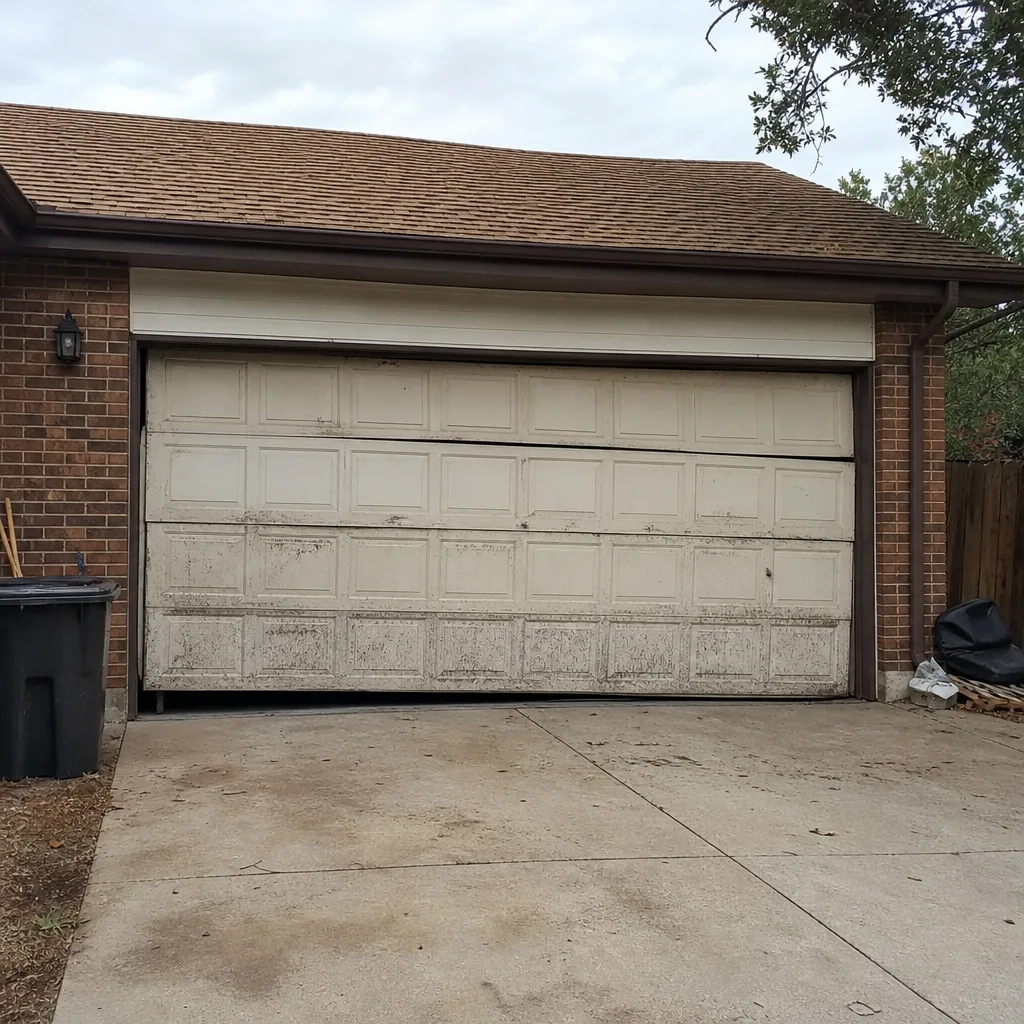 Before
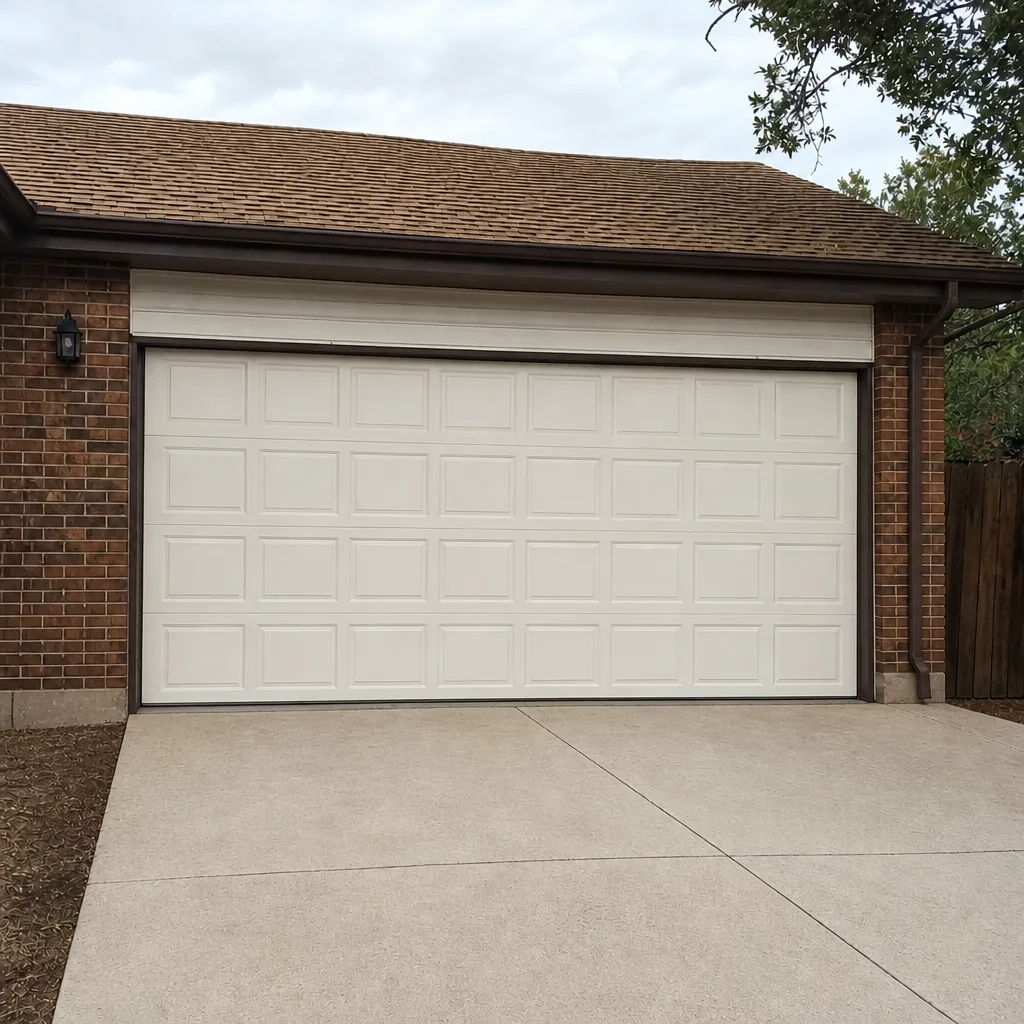 After
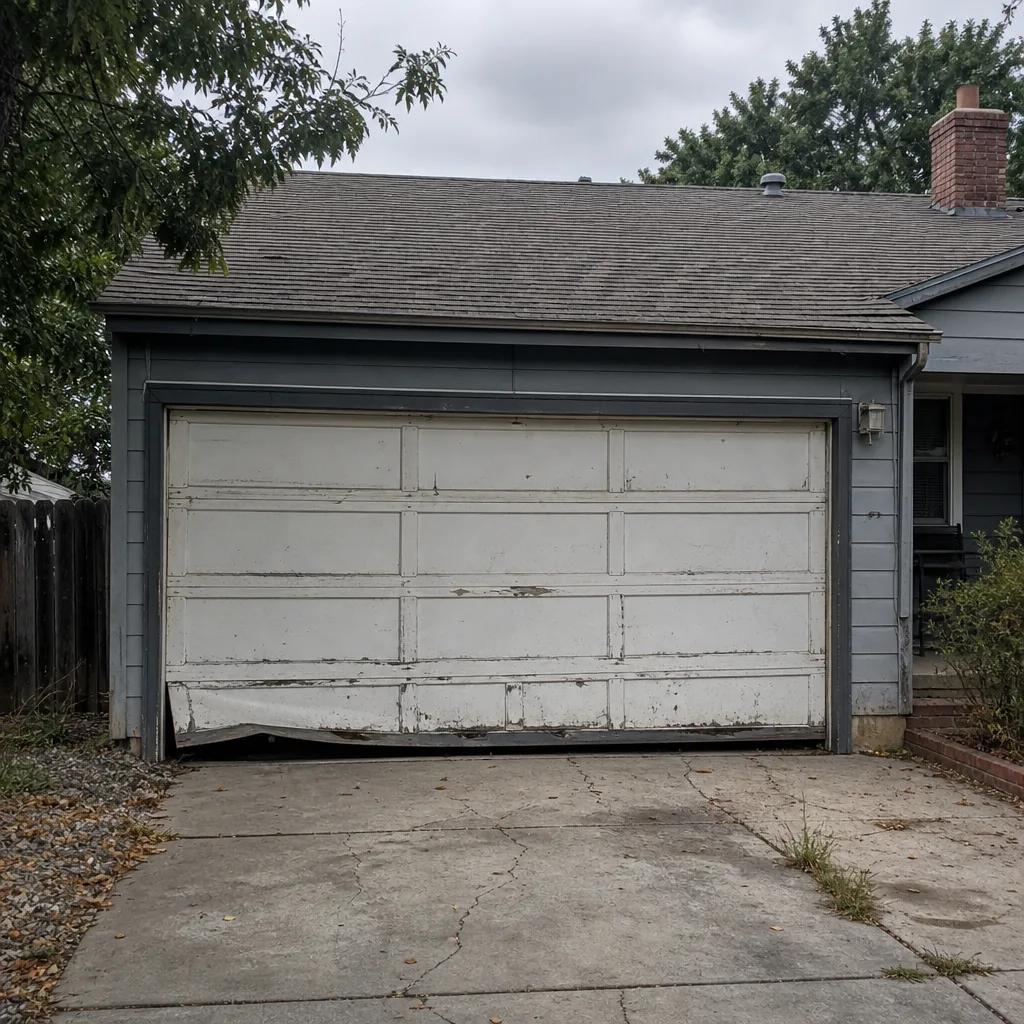 Before
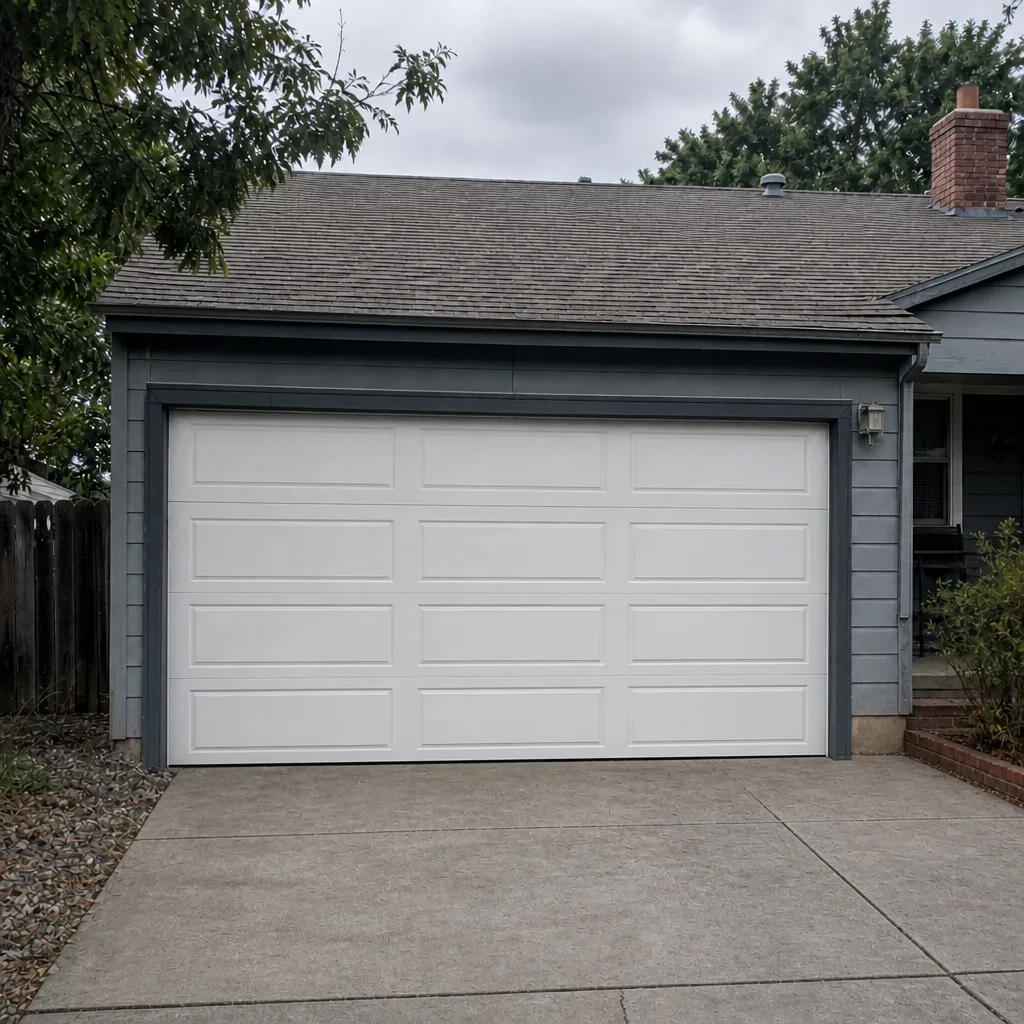 After
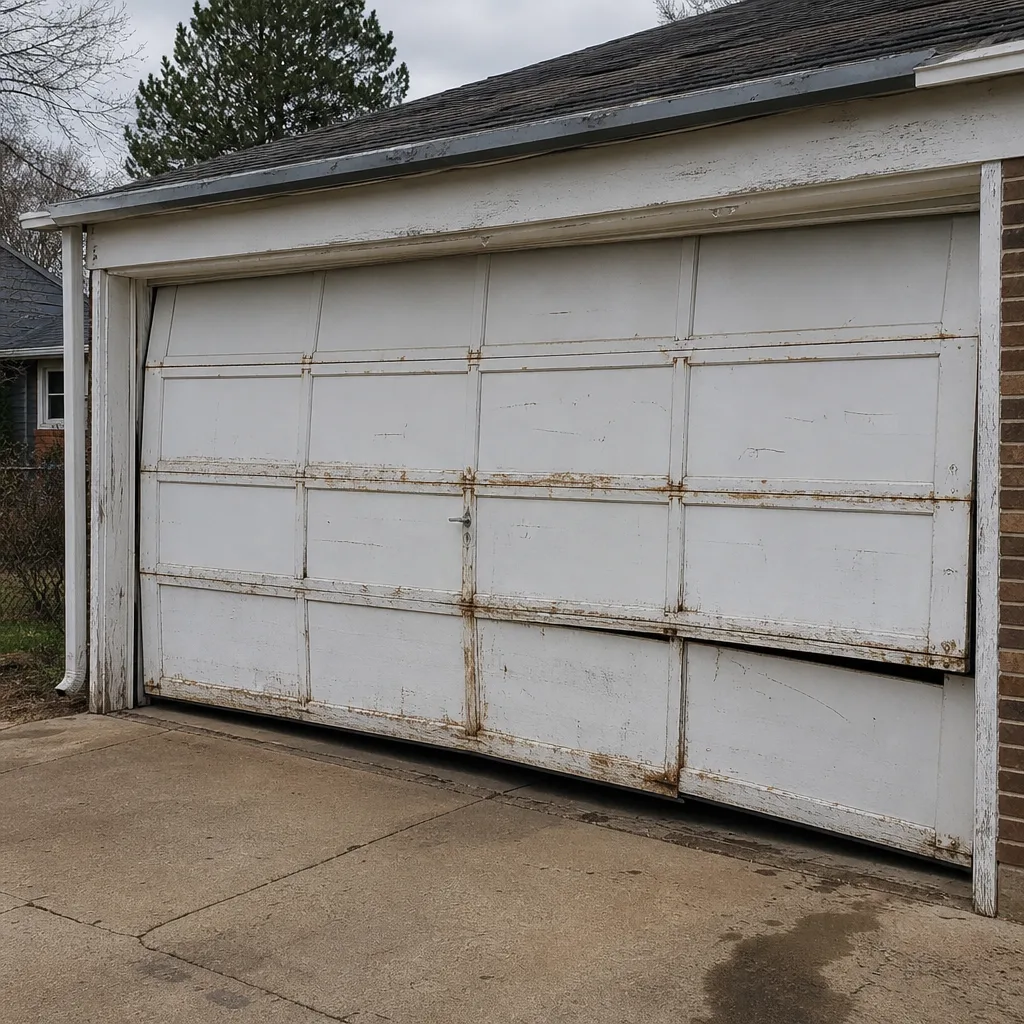 Before
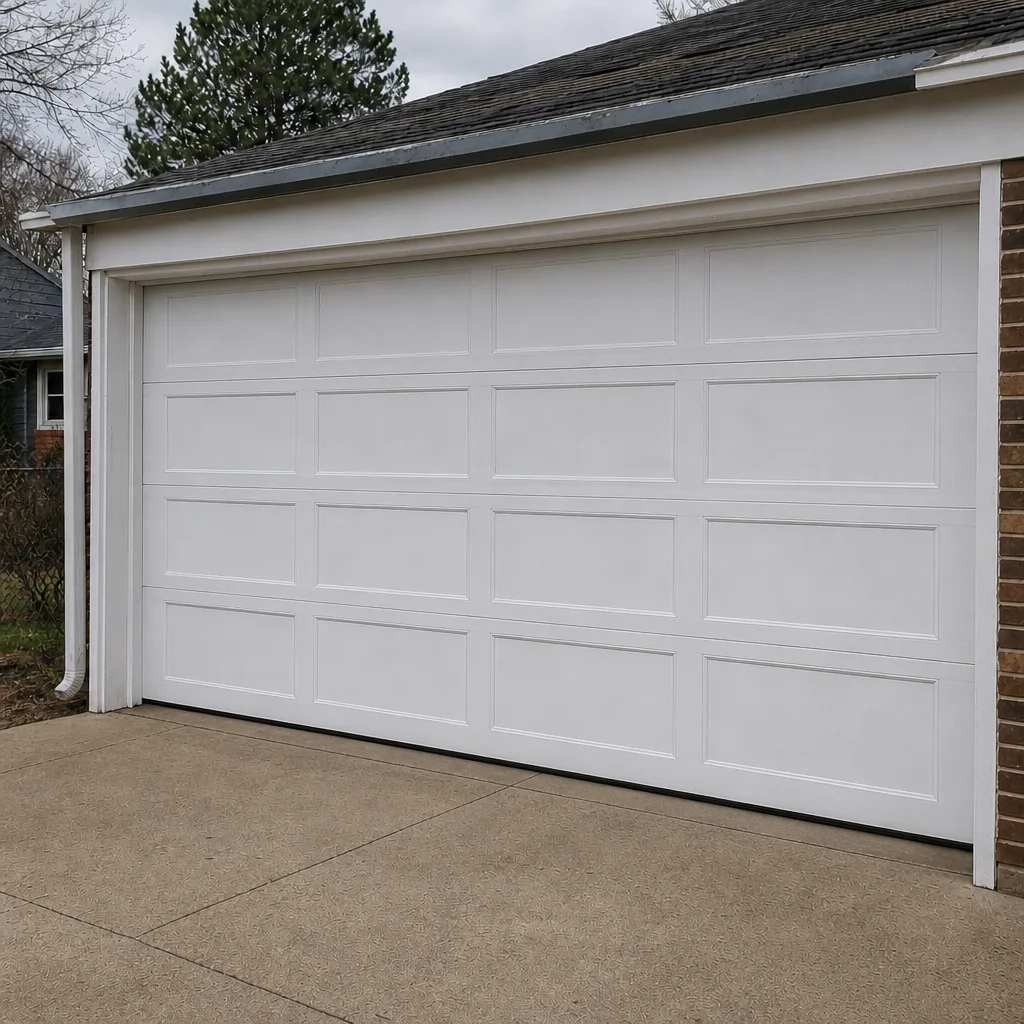 After
When to Call a Professional
Calling today is the right move when the door won’t lift, when one side hangs low, when you can see a frayed or slack cable, or when the opener runs but the door doesn’t. Those are the four scenarios that mean stop, step away, and let a trained technician take the door. For grinding, squealing, slow travel, or a door that reverses on close, schedule within the week – it’s a real problem, just not an emergency. If you’re not sure which side of the line you’re on, describe the symptom and we’ll help you sort it. Lakewood Garage Door Repair Co offers free estimates in Lakewood – call (833) 681-3532, and the price is quoted and agreed before any work starts.
Frequently Asked Questions
A broken torsion spring and a frayed or kinked lift cable are the two stop-using-the-door emergencies. Both involve a component under extreme tension that has already failed, and running the door risks injury or a much larger repair. Call (833) 681-3532 and describe what you see.
A broken spring usually announces itself with a sharp pop and then the door becomes too heavy to lift by hand. Visually, a torsion spring will show a visible gap in the coil, and the door will feel like dead weight. Stop using the door and call for spring repair.
No. A door with a failed spring can’t be lifted safely by hand and will drop if you let go. The opener also isn’t designed to lift the full door weight and can strip its gear. Leave it down and call (833) 681-3532.
Usually no. Grinding is typically worn rollers or a binding track, which is a schedule-within-a-week repair. But if the grinding comes with a door that won’t lift or hangs crooked, treat it as urgent.
Popping while the door is still generally points to a partially failed torsion spring or a slipping cable, both of which are urgent. If the popping only happens during travel, it’s more likely a hinge or track issue to schedule within the week.
Yes. We service LiftMaster, Chamberlain, Genie, Clopay, Amarr, Wayne Dalton, Craftsman and Raynor doors and openers, plus most other brands. We work on the door you have rather than steering you to a brand swap.
The Bottom Line
The warning signs in this guide sort into two piles: the ones where a high-tension part has already failed and you stop now, and the ones where something is wearing and you schedule within the week. Broken spring, frayed cable, crooked door – those are stop-use. Grinding, squealing, slow travel, reversing door – those are schedule-the-repair. What matters most is pairing the right symptom with the right urgency so you don’t run a dangerous door or panic over a safe one. In Lakewood, cold contraction and UV exposure sit on top of normal wear and change what a repair is: sometimes a small parts fix, sometimes a measured spring replacement, rarely a whole new door.
If you’ve spotted one of these signs and you’re not sure which pile it belongs in, call Lakewood Garage Door Repair Co at (833) 681-3532 for a free estimate, with the price agreed before any work begins.
Written by the team at Lakewood Garage Door Repair Co.